Categories
Entertainment Featured Music NYC

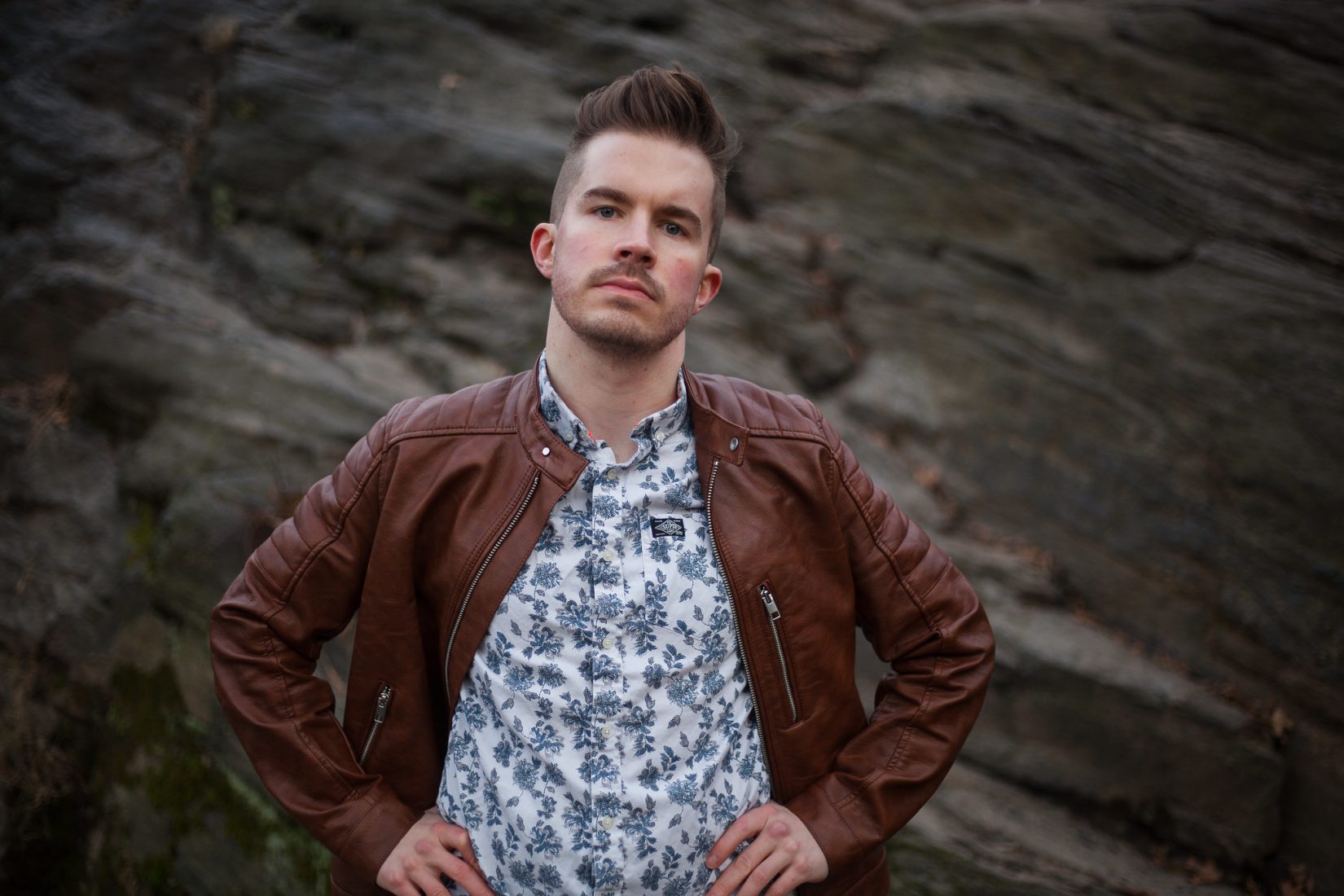
Downtown Q&A: Seth Kessel

Seth Kessel

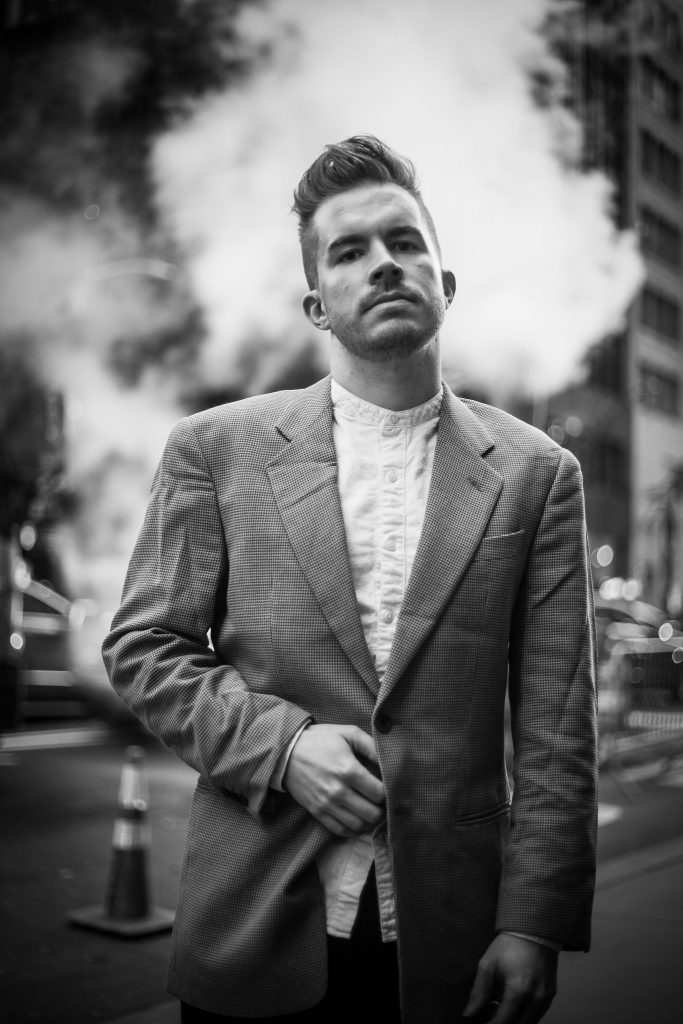
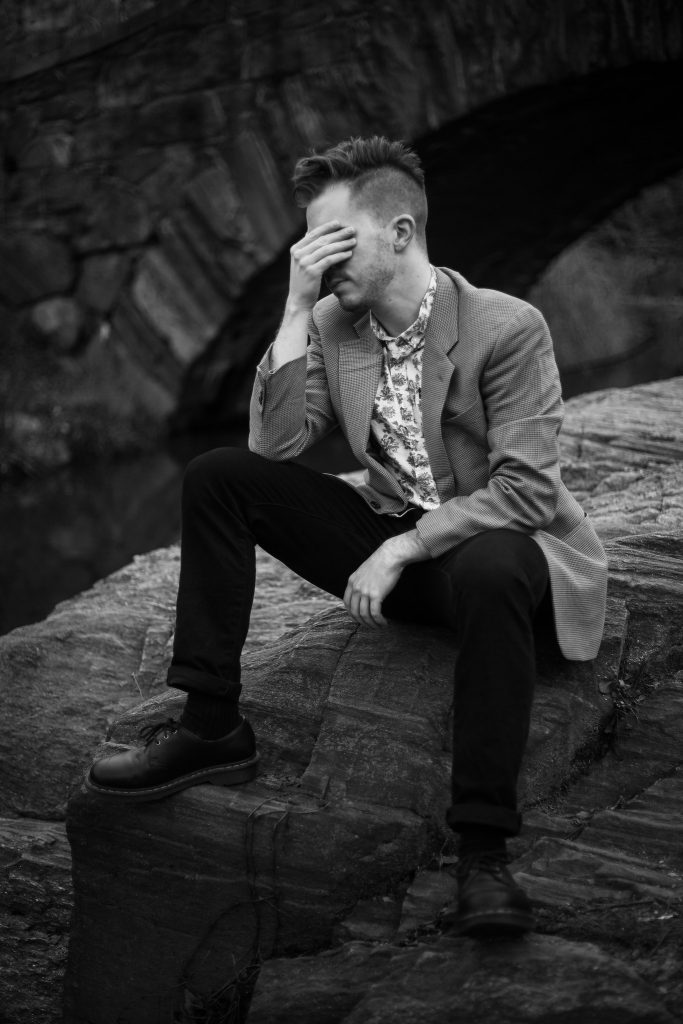
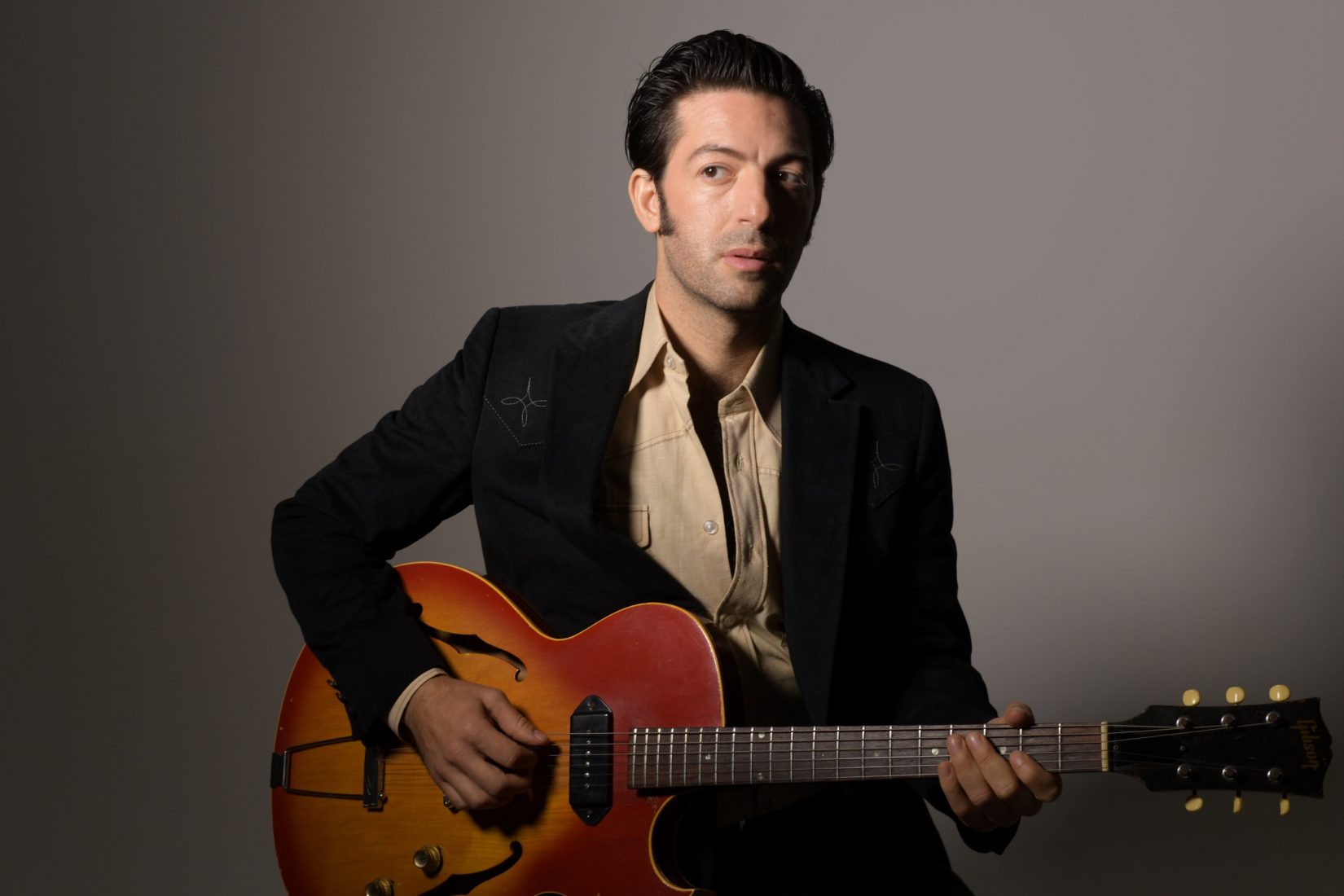
Meet Seth Kessel, the rising rockabilly artist we’ve been craving since the dawn of icons like Elvis Presley, Johnny Cash, and Roy Orbison. Kessel marries a modern sound with this nostalgia for yesteryear. Having been a band member, producer, and studio engineer, he is a true musical veteran, and now he’s started his own band. Kessel just dropped his latest album, “Ride on Through”. Leading up to his record release with Gotham Easy at Berlin on July 17th, we had a chat with him about his career, inspiration, and everything in between.
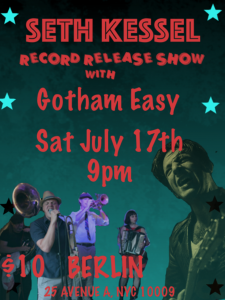
Join Seth Kessel and Gotham Easy on July 17th at 9 pm at Berlin on 25 Avenue A, NYC 10009.

Downtown: Who/What are some of your major musical influences?
Seth Kessel: Some of my influences include Chuck Berry, The Misfits, Johnny Cash, and Tom Petty. I’m also really attracted to artists from various genres that have a “rawness” to them.

DT: This isn’t your first rodeo with music. You’ve been in the industry for a while, as a band member, a producer, and a studio engineer. What made you move toward being a solo artist?
SK: It wasn’t really a conscious decision, I’ve always written songs, and starting my band was just something I sort of gravitated towards that felt right.

DT: Through listening to your music, it is clear that there is this sense of nostalgia for classic, rockabilly style music. What made you want to put more of this vibe back out into the world?
SK: I’ve been heavily influenced by a lot of the original purveyors of rock and roll and it filtered through these songs. With that being said, these songs have one foot in the present time lyrically and emotionally.

DT: What sets your album, “Ride on Through” apart from other work that you’ve done before?
SK: “Ride on Through” is the most legitimate record I’ve made so far in my career. I’m a control freak and had never felt comfortable giving so much freedom to someone else working on my songs. My producer Steve LaRosa, made this record cohesive.

DT: We love that you’re a Brooklyn native. Has your birthplace saved as a vessel of inspiration for you?
SK: I believe everyone’s hometown influences them whether they realize it or not. Being in Brooklyn, I was able to have the freedom to attend Punk shows and be exposed to many environments that most people who don’t grow up in New York aren’t.

DT: What do you love most about NYC? Where is your favorite spot to perform?
SK: What I love most about NYC is the people. You never know who you’re gonna meet and NYC has all walks of life here. My favorite spot to perform would be Skinny Dennis in Williamsburg.

DT: If you could travel back in time, and perform with an idol of yours, who would it be?
SK: Bad Brains. I think they’re the greatest band of all time.

Join Kessel and Gotham Easy on July 17th at 9 pm at Berlin on 25 Avenue A, NYC 10009.

Can’t make it? Listen to “Ride on Through” here.

For more Downtown Q&A, click here.
Categories
Culture Featured Music NYC

NYC’s Lesley Barth Hits The Sweet Spot With “Big Time Baby”

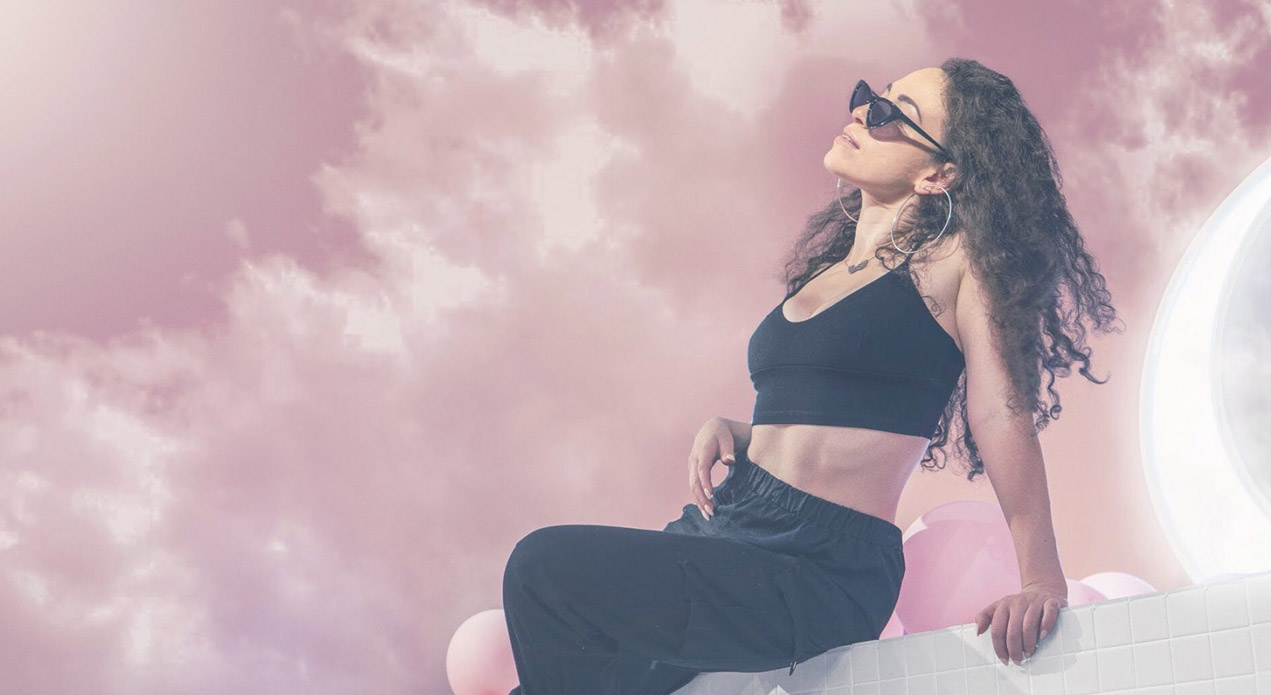
Lesley Barth has often wrestled with a sense of feeling like an outsider in her own life. The questions arising around the key to happiness; a sense of identity that deems outside validation unnecessary; the corporate grind. What is it all for, in the end? Barth’s hunger for a meaningful, mindful existence has resulted in her stellar sophomore album, Big Time Baby, all with a feminine 70s-pop sheen reminiscent of Jenny Lewis. Drawing frequent comparisons to songwriting greats such as Joni Mitchell, Carole King, and Fleetwood Mac, with a commanding and singular voice reminiscent of Natalie Merchant, Barth shapes these influences into a mixture of confessional songwriting, poetry, and wry observations about human nature. Big Time Baby is an album about feeling isolated, wearing masks, failing, rebuilding yourself, questioning societal norms, and the quicksand that is our modern non-stop notifications, performance-driven, social-media-optimized life.

“I learned that you can’t perform your life and live your life at the same time,” says Barth.  “There are moments where performing is what’s required.  But if we don’t take the mask off from time to time and connect to who we really are, I can tell you from experience that one day you will wake up and not recognize who you are and the life you’ve built for yourself.  I hope this album gives people hope that, no matter how uncomfortable or out of place they feel in their life, they can change it by finding the courage to take off the mask and really get to know who they are underneath.”


Photo: Harish Pathak

Barth paired her artistry with Philadelphia producer Joe Michelini (American Trappist, River City Extension).  The resulting three singles, all tinged with that 70s songwriter groove, speak to various stages of the process of redefining her life.  Woman Looking Back at Me, a disco-flavored tune, seeks to understand negative self-talk and distance Barth from the critical voice in her head.  The neon-cowboy-hued Nashville tries to understand better the internal demons that keep us away from the lives we want, and the catchy and empowering You Gotta Hand it to the Man is an indictment of the ubiquity of a patriarchal society and capitalism gone awry, with accompanying video criticizing the precariousness of the American health care system: “Almost all the savings I had for quitting my job got wiped away by healthcare costs, and I had to scramble.”

Lower East Side sees Barth immediately admitting to failure and a sense of unreadiness for the journey ahead.

“Making this album has been a rejection of the concept of ‘big time’ and ‘small time;’ living for other people’s validation is what got me into the whole mess of a life that felt foreign to me, so I wanted this album to be a declaration of who I am,” says Barth. She penned the album as her life became uprooted, and recorded it as she navigated the uncertainty of the structure of the gig economy.

“It’s an album for these uncertain times where many people feel their lives have been stripped to the bone, they’ve woken up from a daydream, and they weren’t sure what tomorrow would bring because that’s where I felt I was when I wrote it,” says Barth.

Sign o’ the times. Enjoy Big Time Baby.

KVASIR Unleashes A “STATE” of New York During The Era Of Covid-19

Flooded With Memories: They Might Be Giants Celebrates Thirty Years of Flood

The Brilliance Shines Brightly At Rockwood Hall

Album of the Year: Civilian by Frank Tovey

Clan of Xymox Materializes At Le Poisson Rouge

Categories
LA Music

Raising The Bar With Hank Fontaine

Hank Fontaine is ready for revolution.

On New Year’s Day, the Los Angeles musician trumpeted a public call for creative reformation:

You’re a creator? Awesome. Create. This idea that you’re supposed to be a living, breathing “brand” is gross and someday it’s gonna look really dated. Whether you paint, write, sing, or complain, own that it’s an extension of your soul, not “content” that you excrete on a daily basis like a robot. Can we please make 2020 the year that branding dies?

Hank Fontaine is a powder keg in an industry bursting with soul peddlers thirsty for fame and power. He refuses to be contained. He is content to stay honest to himself, his whims and his art. Conformity does not interest him in the least. Fontaine is a restless soul forever on the prowl for inspiration, both a citizen and student of the world. Ten years of touring as a guitarist; a lifetime of transience. For the time being, he’s existing in Los Angeles, eschewing that plastic Stepford Wife nonsense.

Living in the City of Angels has only deepened his determination to bring authenticity to his craft, encouraging others to follow suit. He walks the walk. After four years as half of sibling duo The Fontaines, touring with Dylan Gardner and Valley Queen, and resetting his path with a couple of singles, Fontaine released his first solo album in 2019: The Globalist Agenda or: Welcome To Frogtown. It is an eclectic tour de force.

Fontaine’s sound is impossible to pigeonhole, and he likes it that way. There are some echoes of retro influence, particularly in Fontaine’s guitar licks, but his lyrics are firmly rooted in the 21st century experience. He effortlessly weaves elements of Harry Nilsson, early Billy Joel, Supertramp, and Electric Light Orchestra in his sound, through the filters of English music hall, New Wave, and breezy California surf rock. Although Fontaine is primarily known for his guitar chops, he is a powerful and emotive vocalist who croons, growls, whispers and fearlessly falsettos.

Photo: Alice Teeple

Hank Fontaine’s strength lies in his curious voyeurism and refusal to mould himself to a false concept. He takes that kid-in-a-candy-store approach to sound, reminiscent of Odelay-era Beck. His self-penned Spotify bio cheekily mocks the industry push to brand musicians, which he sees as a limiting force on creativity. Not a single song on this album sounds like any other, but all work together in a sonic crazy quilt as varied as the people who influenced them. The Globalist Agenda was inspired by people Fontaine met while living in the Frogtown neighborhood of Los Angeles.

“I like to pretend to be other people when I’m writing. I think that’s gonna get me in trouble someday,” he quips.

Fontaine’s love of Seinfeld shines through in his observational lyrics: always wryly wondering, “what’s up with that?” This is best exemplified in his debut single, Bad Love, which sounds like a powerful breakup ballad, but was in fact about a time he got cut off in a Trader Joe’s parking lot. “I asked, what happened to this person to make them like this?” Fontaine explains. The ethereal, forlorn Hope Don’t Leave Me Now was inspired by a compulsive lottery ticket gamber at his local 7/11.

The album was a collaboration with his friend and producer Jason DeMayo. The pair recorded all the instruments together, one at a time.

“It was a very freeing way to work that I never tried before,” says Fontaine.

Fontaine headlined the Troubadour in LA to celebrate the release of The Globalist Agenda, and then took off the rest of 2019 to focus on writing. He’s in NYC for a few months doing an artist residency, working on a new EP of songs he wrote in his hometown of Paris.

Keep your eyes and ears on this one in 2020. Hank Fontaine is just getting started.

You can purchase The Globalist Agenda Or: Welcome To Frogtown here:

https://hankfontaine.bandcamp.com/releases

You can stream it here (but consider buying it, he’s completely independent):

Can’t Give It Up Single

See More

Album of the Year: Civilian by Frank Tovey

Clan of Xymox Materializes At Le Poisson Rouge

Blake Charleton Keeps It Fresh

Christine Smith Waits On The Far Side Of A Star

Adrian Sexton Draws The Death Card

Categories
Culture Featured Music

Downtown has Singer Emily Claman on Repeat

Growing up in New Jersey, singer Emily Claman was always visiting “the city,” as we call it, doing everything from visiting family to dancing at Lincoln Center and Carnegie Hall. Now that she lives downtown and hustles all over the city to perform, she’s happy to call New York City home. Besides singing and songwriting, Emily is a dancer, dance teacher, and a fitness instructor at Pure Barre. We chatted about her influences, her support system and what’s next!
   
Photo by Zack Perl/The Bacyard
Downtown: How has New York City influenced your music?
 
Emily Claman: Damn. How hasn’t NYC inspired my music!? This city is so over stimulating and plays a huge role in relationships, memory making and everyday life that it would be impossible not to have presence in my music. NYC is the backdrop of my life. Plus I do a lot of writing on the subway…
 
Downtown: Who inspires you musically?
 
EC: This is always the hardest question. Honestly, I am inspired by so, so, so many artists across so many genres that it’s so hard to narrow down. BUT to name a few, SZA, Amy Winehouse, Sam Cooke, Bruno Mars, Stevie Wonder, Ariana Grande, Beyonce, H.E.R, Carol King, Travis Scott, Jay Z – I could go on all day…
 
Downtown: What has response to your music been like?
 
EC: It has been so positive – I am beyond grateful. The most common response I get is that people are connecting to my music on a very personal level, and it is so beautiful and exciting and deeply overwhelming (in the best way possible) to hear that. Certain songs can get you through your darkest times, your most confusing times, your greatest times, and everything in between, and I’m honored to be able to start to provide music for people to connect to and use on their own personal journeys.
   
Photo by Zack Perl/The Bacyard
 
Downtown: How do you combine dance and fitness with your music?
 
EC: As a dancer, I know the feeling of when you connect to a song in such a deep way that you are compelled to physically move to it and connect to it on that deeper level. When I’m writing or in the studio I am very aware of what FEELS right both viscerally and sonically. I have to be able to see movement and tap into the part of my DNA that turns to movement first. Also, I tend to move around A LOT during my live shows, dancing, jumping and running around, so I definitely have to stay on top of my fitness game in order to be able to do all that and sing at the same time and not sound crazy and out of breath.
 
Downtown: Where would you love to perform?
 
EC: I would LOVE to perform at Bowery Ballroom, Gramercy Theater, Brooklyn Bowl, Brooklyn Steel, MSG and so many more awesome venues, but follow me at @emclaymusic, I’ll be posting about my upcoming live shows there soon!
 
Downtown: What’s your pre-show routine?
 
EC: Pre-show routine usually consists of listening and dancing to a lot of rap music, Ariana Grande & Beyonce with my closest friends. (I have a go to Preshow playlist) I always drink a bunch of Throat Coat tea and I usually eat a protein bar about an hour before my show. Before I head to the venue, I sing one of the songs from the set to my friends and then JAM OUT to my favorite Trombone Shorty song.
 
Downtown: What’s your postshow routine?
 
EC: I try to talk to as many people as possible after the show. Connecting and chatting with the people that come to my shows is one of my most favorite things ever. Then it’s just hanging with friends, family, water, tequila, and dancing, usually followed by a late night burger or pizza run. Occasionally, it’s just me going home and passing out, it really depends on the night.
   
Photo by Zack Perl/The Bacyard
 

SPEED ROUND

 
Downtown: Neighborhood
 
EC: Fidi but I love spending time anywhere below 14th Street! (Although I’ll always have a soft spot in my heart for the UWS)
 
Downtown: Favorite Downtown restaurant
 
EC: So many…Two Hands, Springbone, La Esquina, Souvlaki GR, L’Artusi (#fancy). My go-to for coffee/match is Cha Cha Matcha, it’s my number one favorite place ever.
 
Downtown: Favorite Downtown gym
 
EC: Pure Barre NYC 😉
 
Downtown: Favorite Downtown workout
 
EC: Pure Barre & Rumble Boxing
 
Downtown: Best spa?
 
EC: The best kept secret is Four Seasons Body Work on 8th Street. They give the best foot massage you’ll ever get.
 
Downtown: Best shopping Downtown
 
EC: Kith is my fave place to window shop #goals
 
Downtown: Favorite bar
 
EC: Rose Bar, The Dead Rabbit, Peachys
 
Downtown: Favorite music venue
 
EC: NYC has some of the best live music spots in the world it’s so hard to pick, but there really is nothing quite like seeing an epic show at The Garden. Like damn, chills every time.
   
Photo by Zack Perl/The Bacyard
 
You can check out Emily’s single “Gone” on Spotify, Apple Music or wherever you listen and watch the music video below. Be sure to follow Emily on Instagram @emclaymusic to stay up to date with shows, releases, and more. She’s planning on releasing her first EP in Spring 2019.
 
 
Categories
Culture Music

Cultivating the Next Generation of Music Creators at BMI

In my role as Assistant Vice President, Writer/Publisher Relations at BMI, Broadcast Music, Inc., here in New York, I have endless opportunities to see, hear and experience live music in its rawest, purest forms. While the perception of performance rights organizations like BMI might be that we simply deal with music licensing and collect royalties, we actually do a whole lot more. In addition to protecting the rights and livelihoods of our affiliates, BMI also strives to serve as a nurturer, mentor, counselor and facilitator to our songwriters through countless initiatives, showcases, workshops and other events. One of the greatest aspects of my job is helping cultivate environments in which songwriters can hone their craft, collaborate and flourish. Just recently, I got to oversee just such a project.

In honor of “New York Music Month” this past June, BMI hosted a weeklong songwriting camp at The Patch House, a supportive and creative space for touring musicians in Clinton Hill, Brooklyn. Bringing together emerging songwriters and producers from New York, Los Angeles and Nashville, the camp provided a unique opportunity for its participants to establish creative bonds and fruitful working relationships with each other through daily writing and recording sessions. From all over the genre-spectrum, these writers and producers aligned in a relaxed environment to share their skills, their music and potentially craft the next big hit.

While previous sessions of this songwriting camp have been more open-ended, this year, our participants were tasked with a specific mission to write a song for buzzworthy pop singer/songwriter Fletcher. Campers like former Cage the Elephant member and producer Lincoln Parish, newcomer Andrew Seltzer, who has recorded songs with Maggie Rogers and has a collaboration with Mickey Blue in the works, and “Say Something” songwriter Mike Campbell got right on the task. In the process, writers Campbell and Seltzer forged a musical rapport that may pave the way towards future collaboration. Only good things came of these types of pairings.

The Patch House songwriters camp is only one of BMI’s many programs of this kind. Another great initiative is our Speed Dating for Songwriters series, which is a regular workshop that similarly pits up-and-coming songwriters, producers and artists together in a rapid-fire speed dating structure, enabling communication, inspiration, collaboration and instant feedback in quick, limited sessions.

It may sound fast – and it is – but hit songs have come out of it, notably “Don’t Need Permission,” Meg Mac’s hit single, co-written by Tye James, Julie Hardy and Mike MacAllister. There’s also BMI’s Acoustic Lounge series at the Rockwood Music Hall on the Lower East Side, a weekly showcase for BMI songwriters to play their music in front of a live audience. By both tapping into the rich heritage of New York City’s legendary music scene and bringing together incredible new talent, I’d like to think BMI is helping cultivate the next great generation of music creators.

Photography by Stefan Rubicz