Categories
Featured News NYC Opinion

A Poignant Protest In Astoria Park

“Greater love hath no man than this: that a man lay down his life for his friends.”

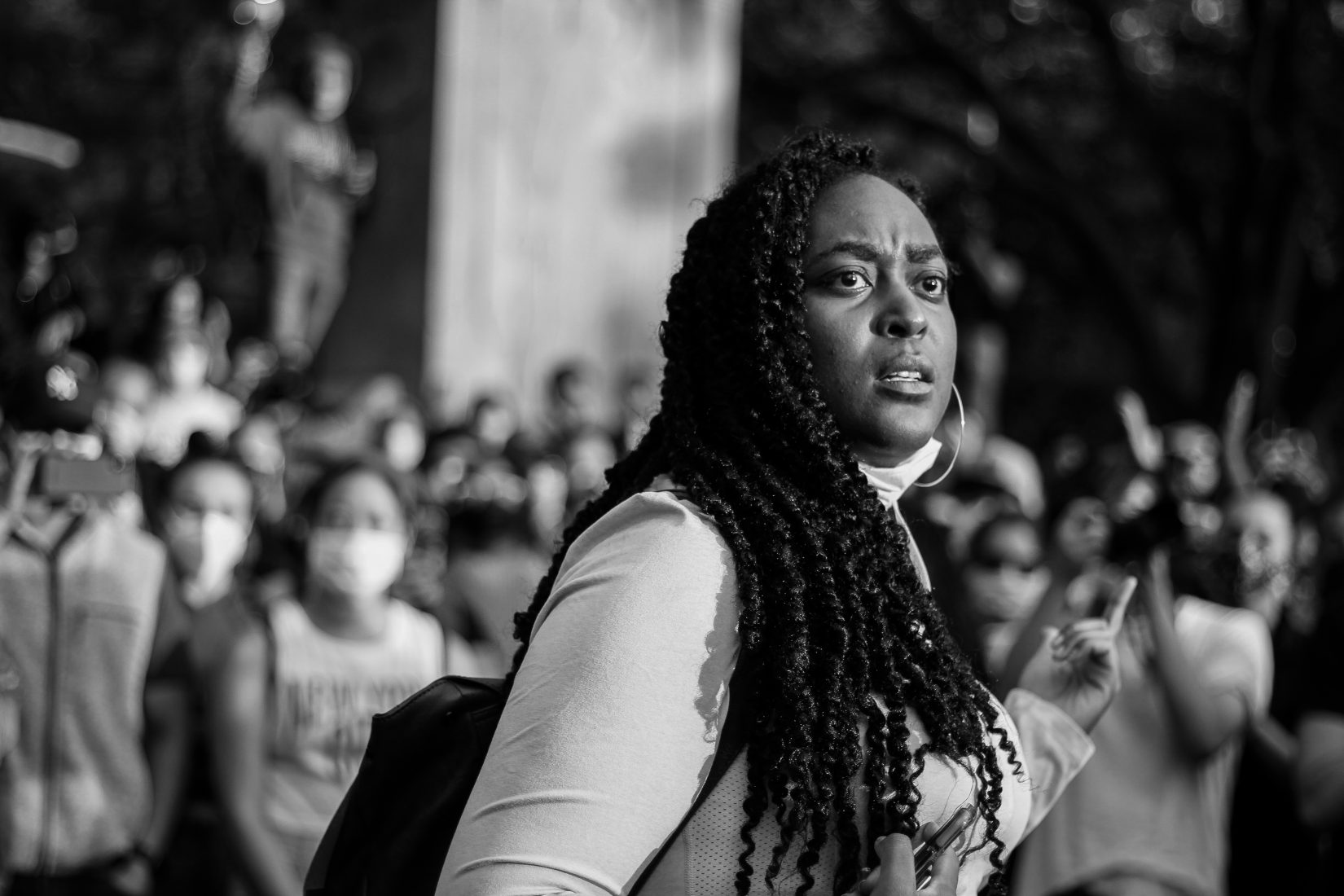
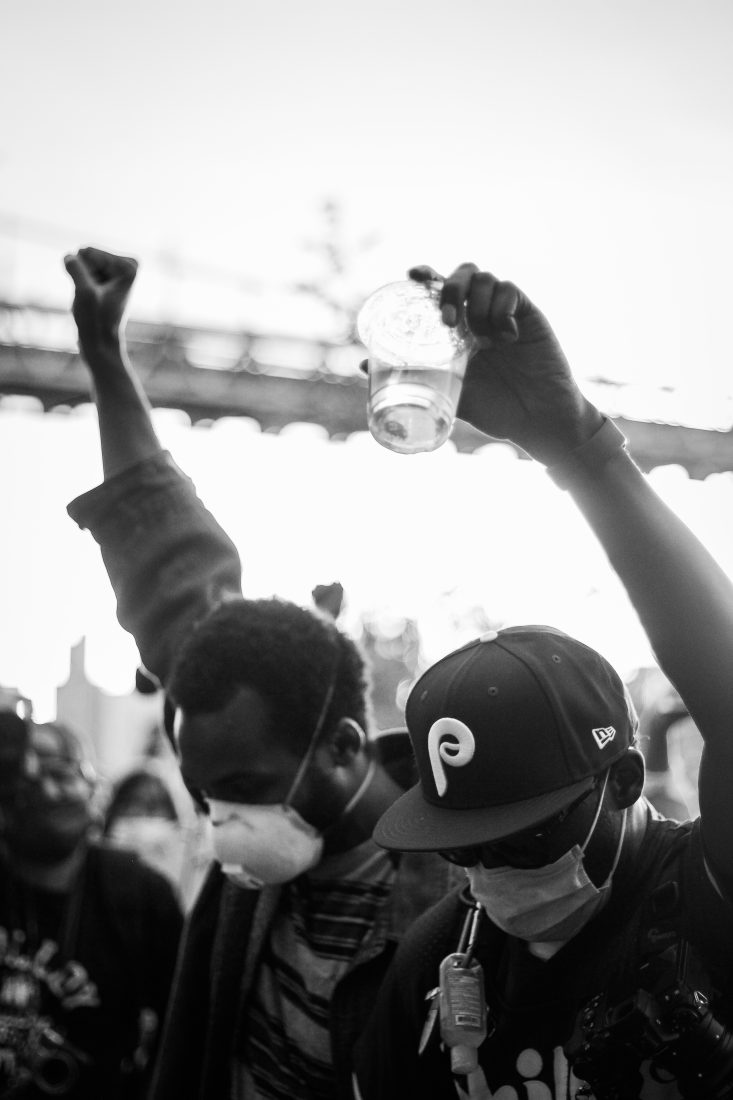
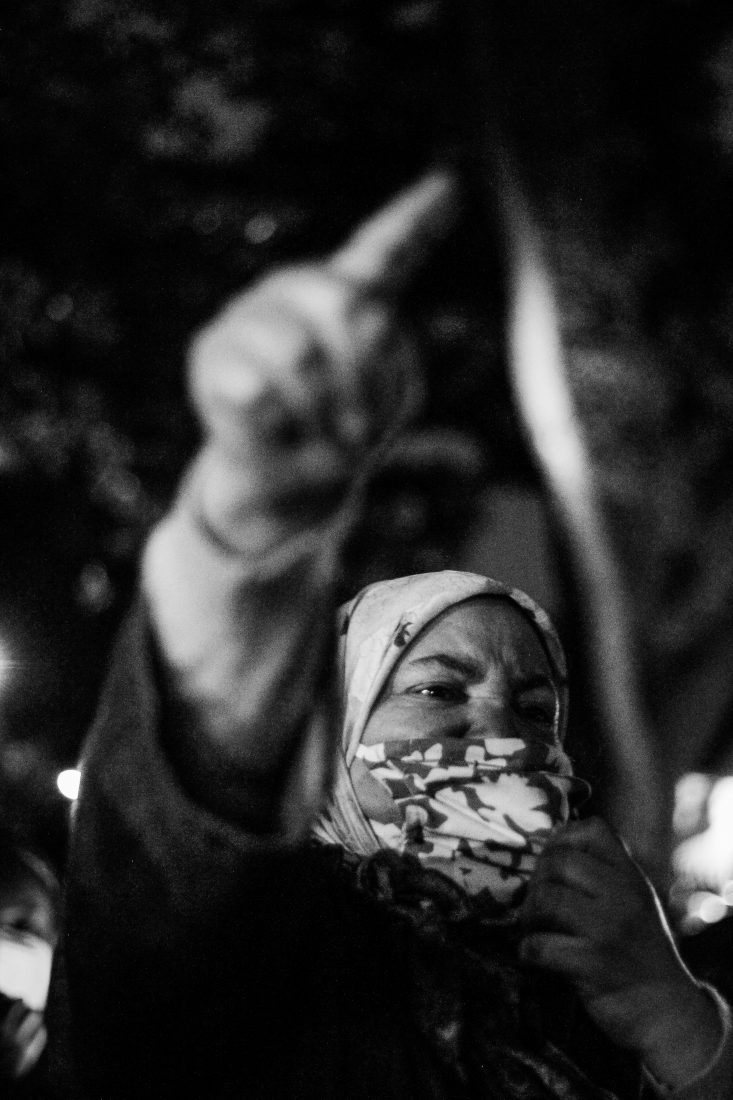
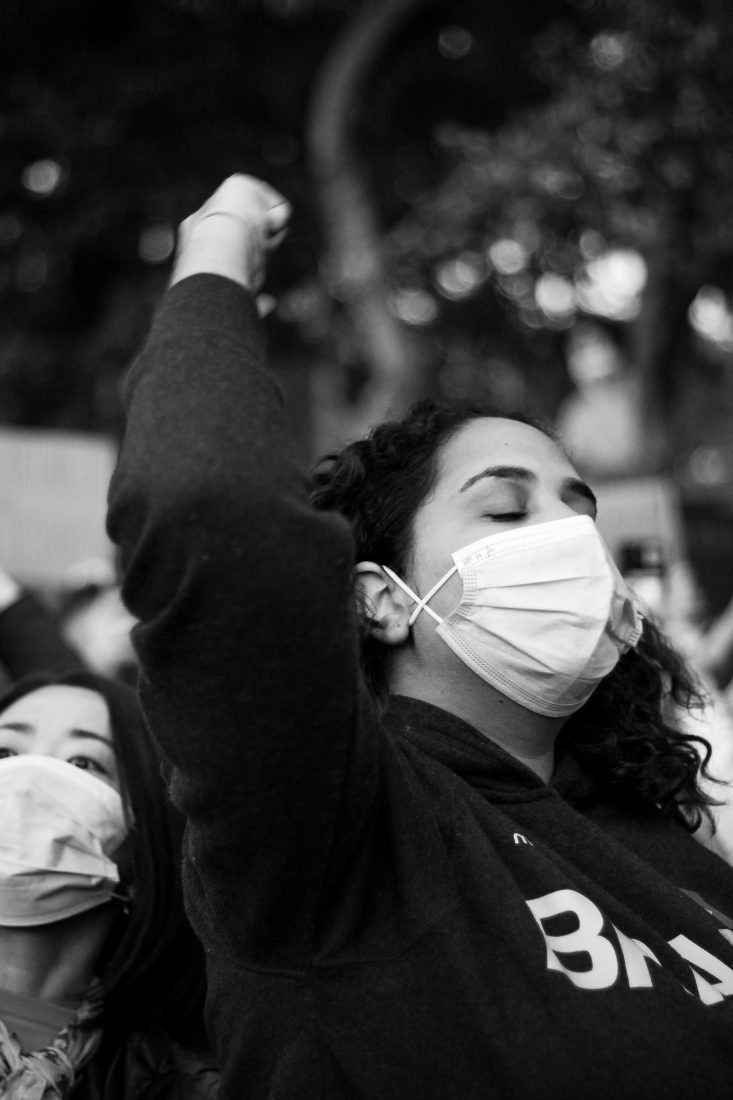
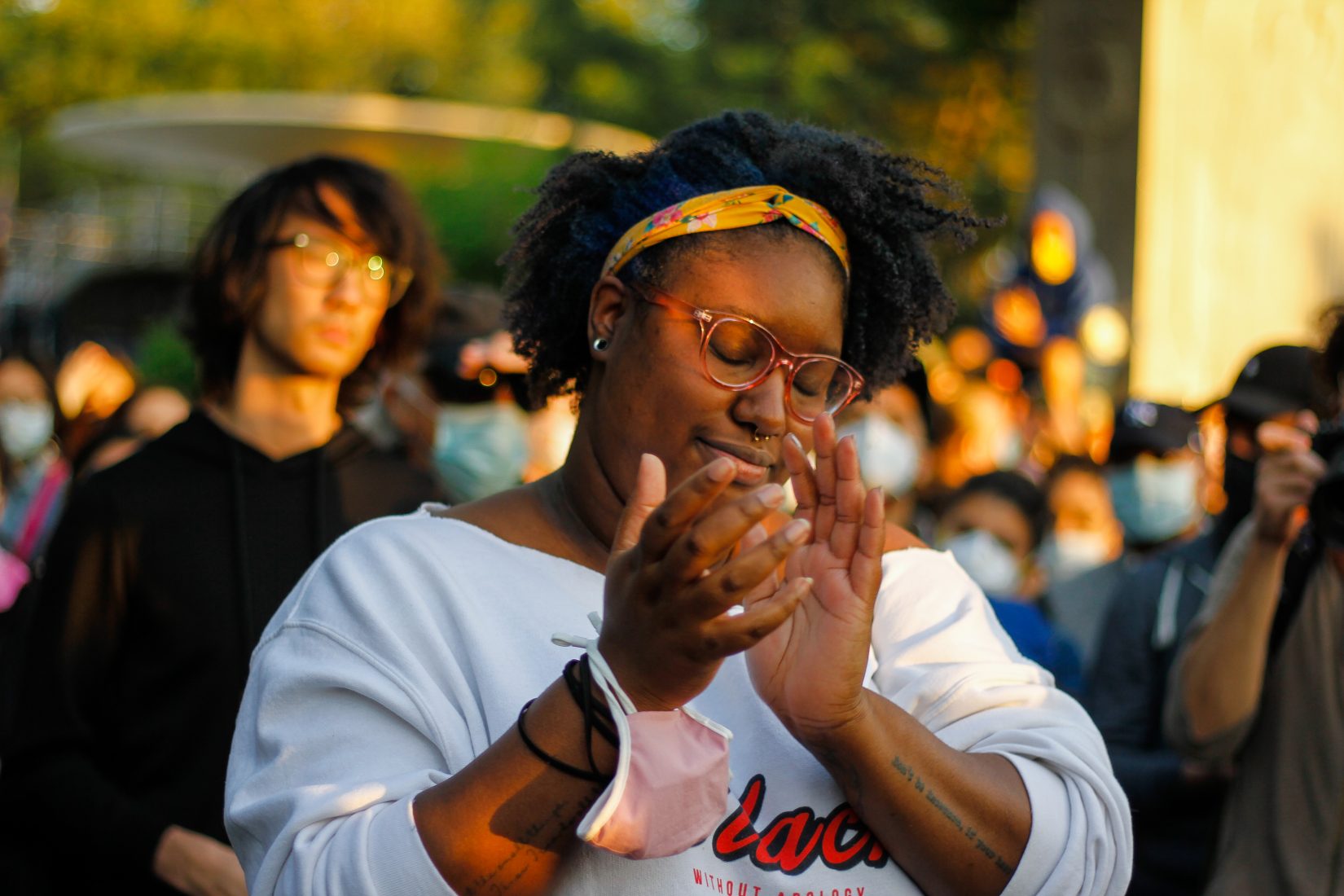
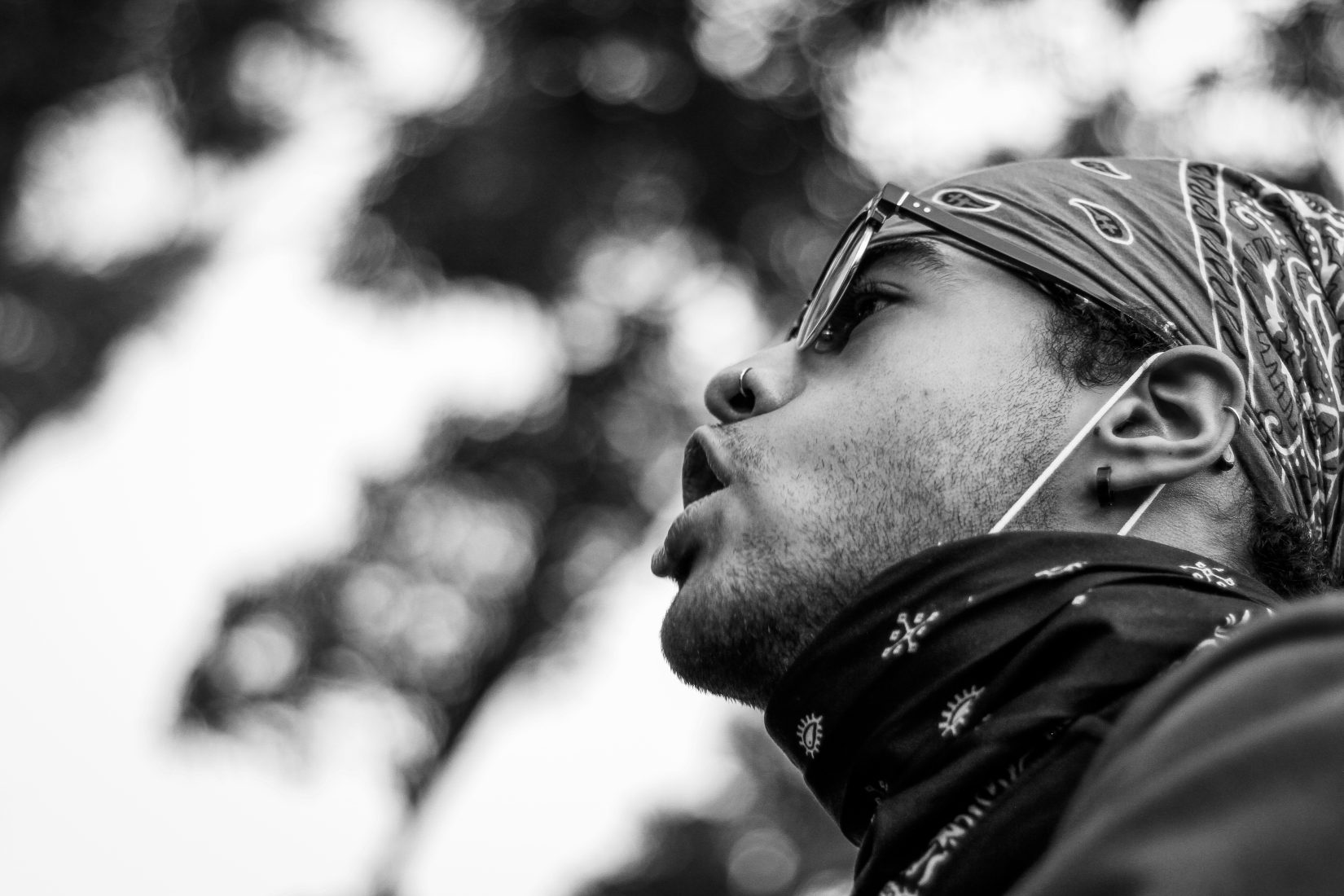
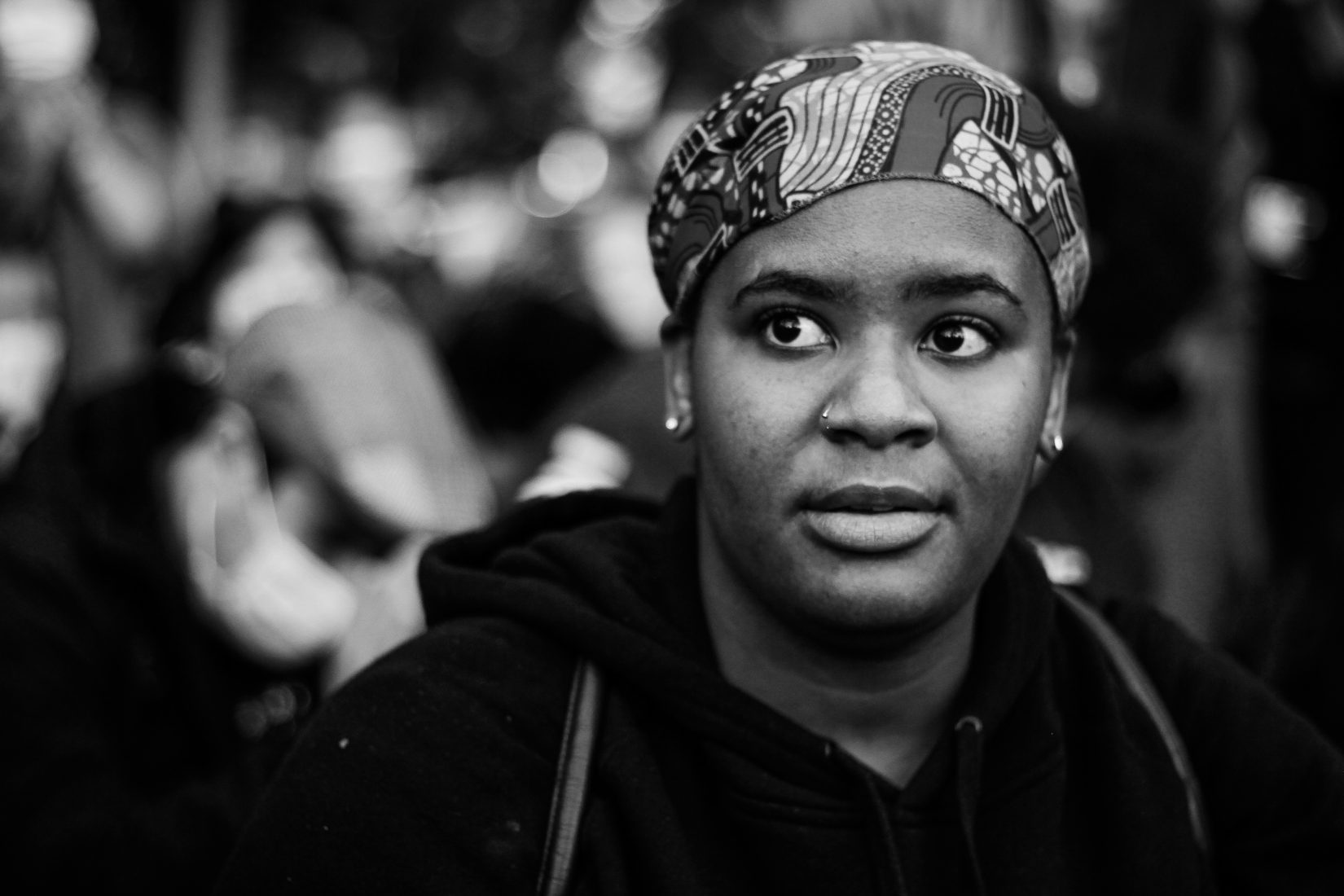
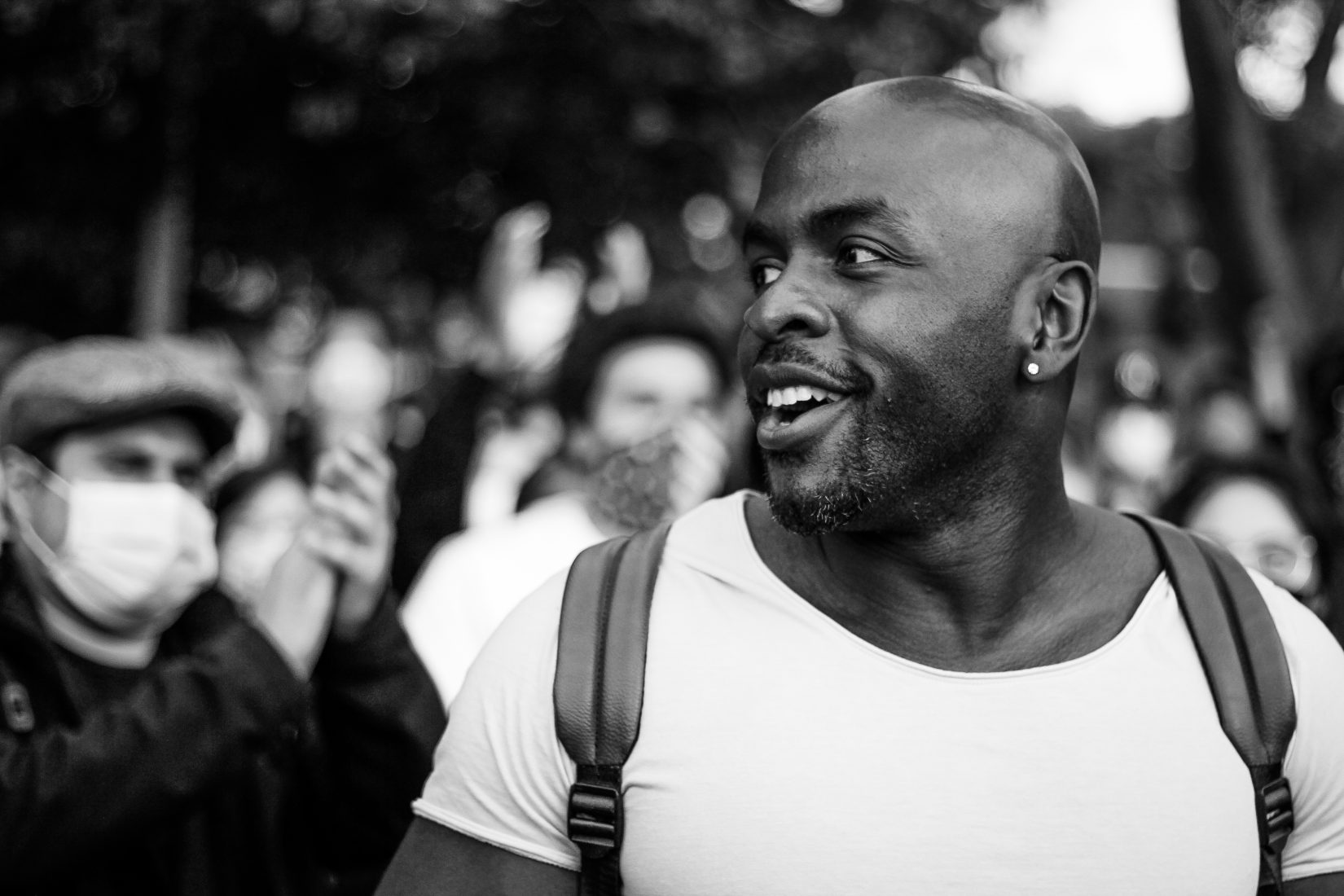
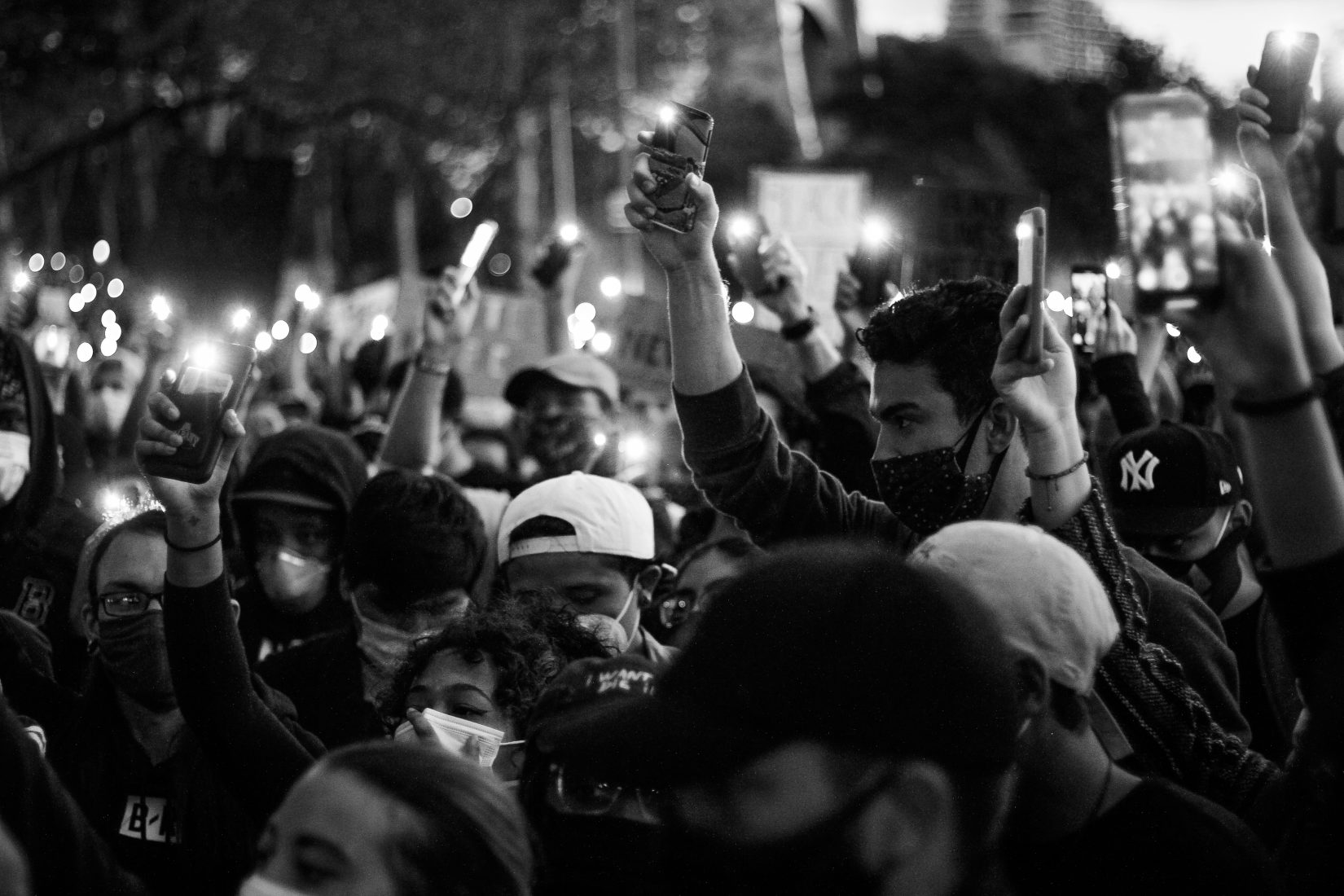
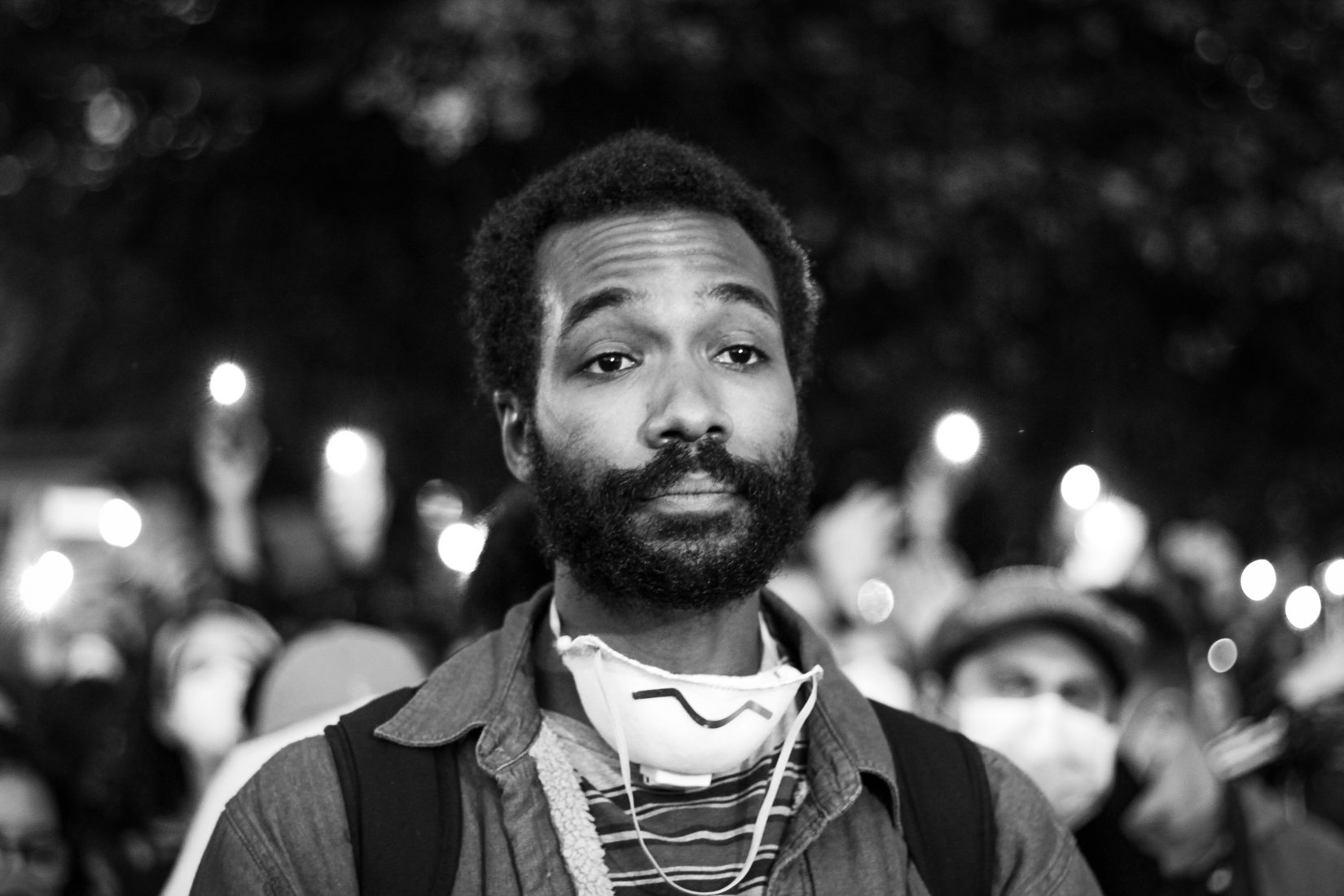
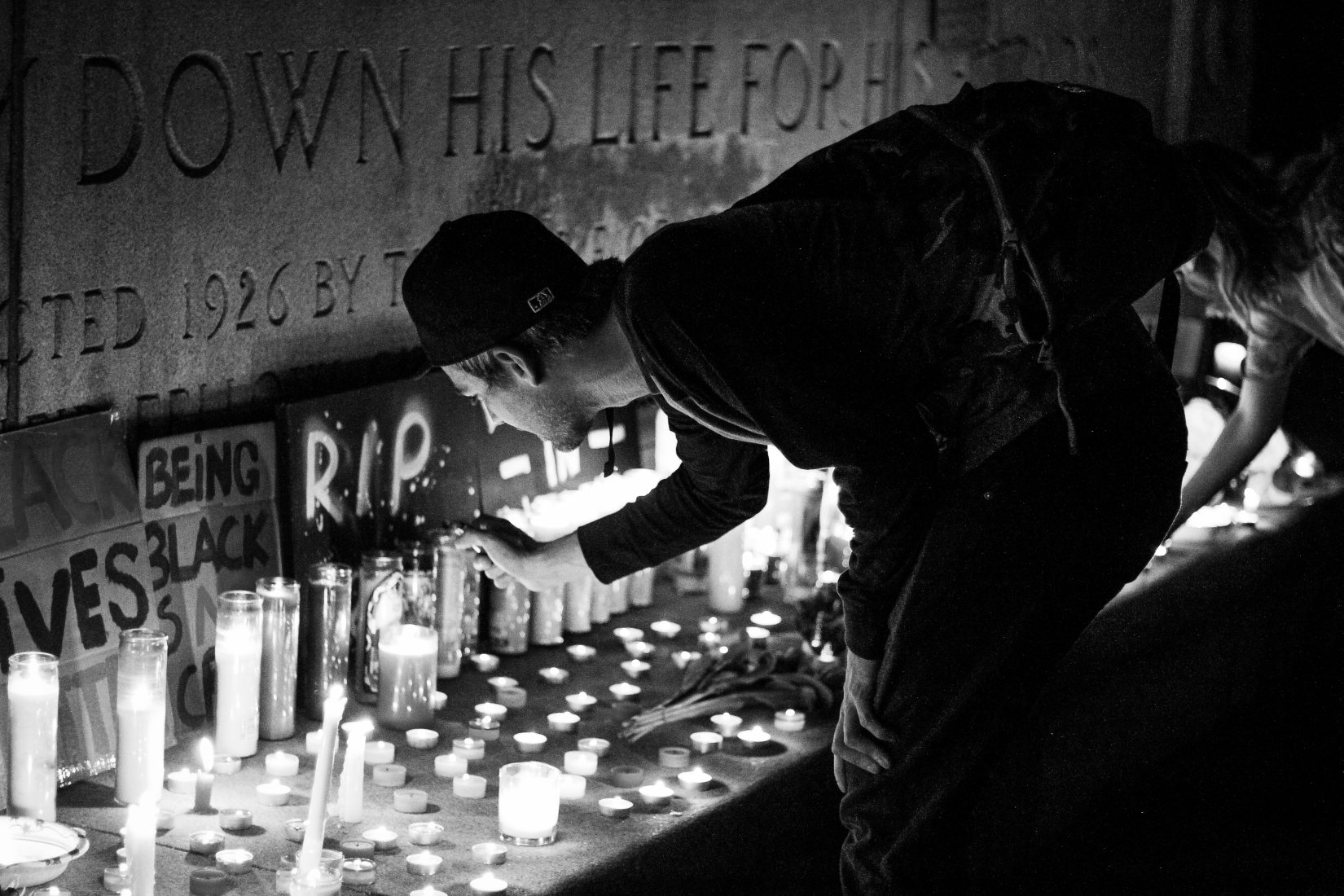
Last night, hundreds of people from all walks of life, all backgrounds, all cultures and all income brackets gathered along the waterfront in Astoria Park to reflect upon the immense losses of George Floyd, Breonna Taylor, Eric Garner, and the countless others who had their precious lives cruelly stolen.

The choice of the gathering was extraordinary. On one side, the RFK Bridge, swathed in the light of the setting sun, its namesake struck down by an assassin’s bullet. On the other side, the Hell Gate Bridge spanning the East River Styx. And, shining in the light of hundreds of candles, remembrances of the slain, perfumed by incense, a shrine to the fallen of WW1. The inscription: “Greater love hath no man than this: that a man lay down his life for his friends.”

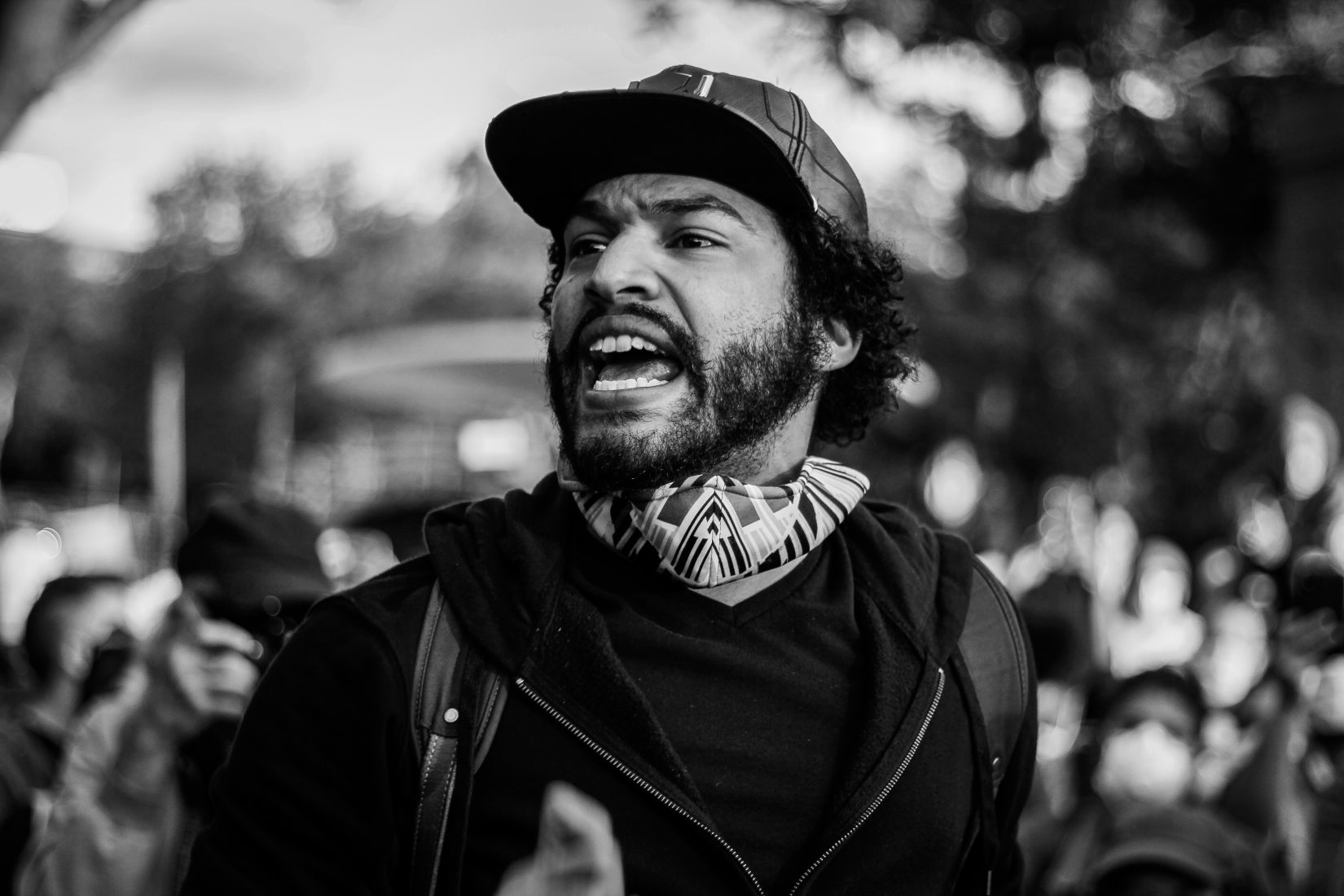
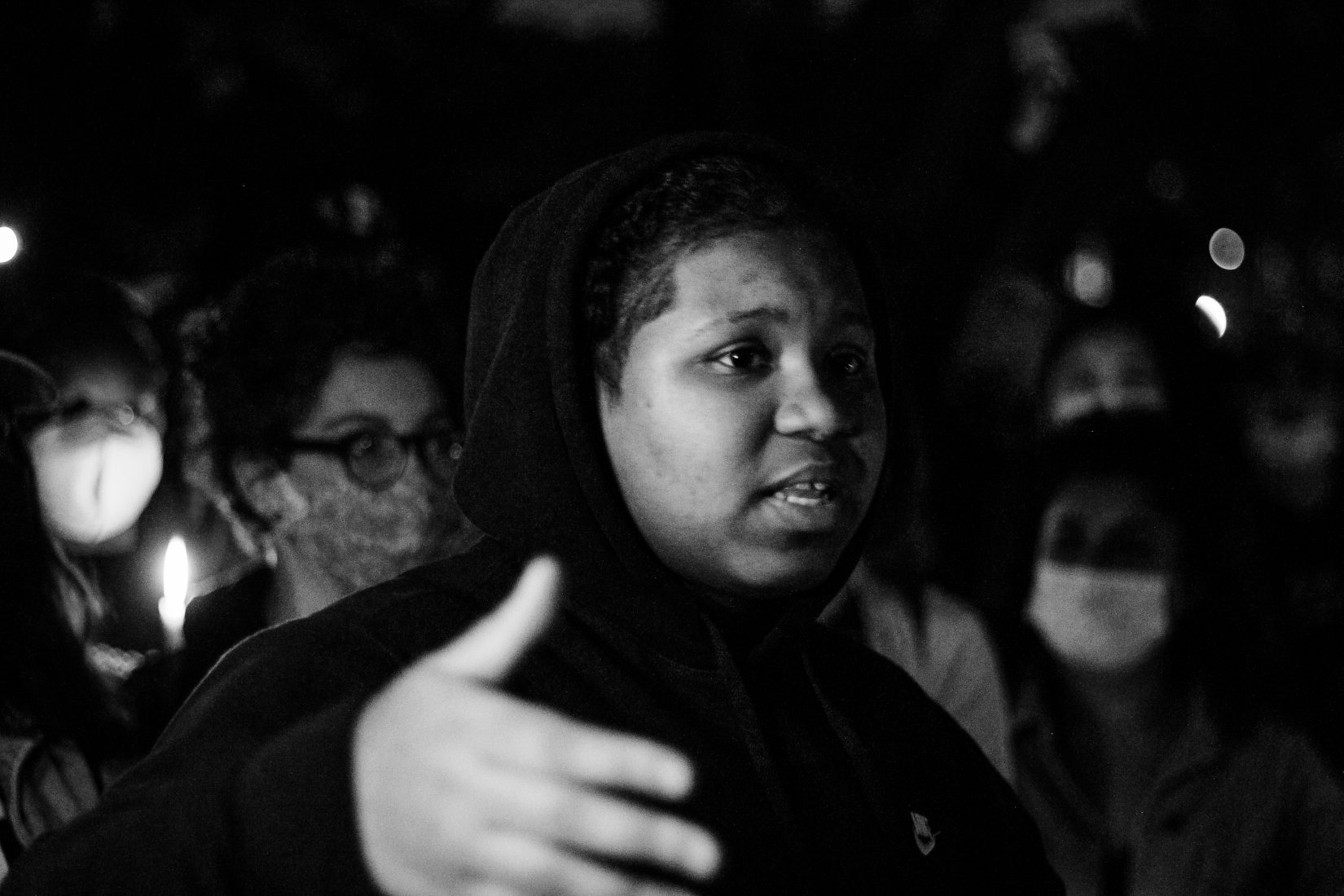
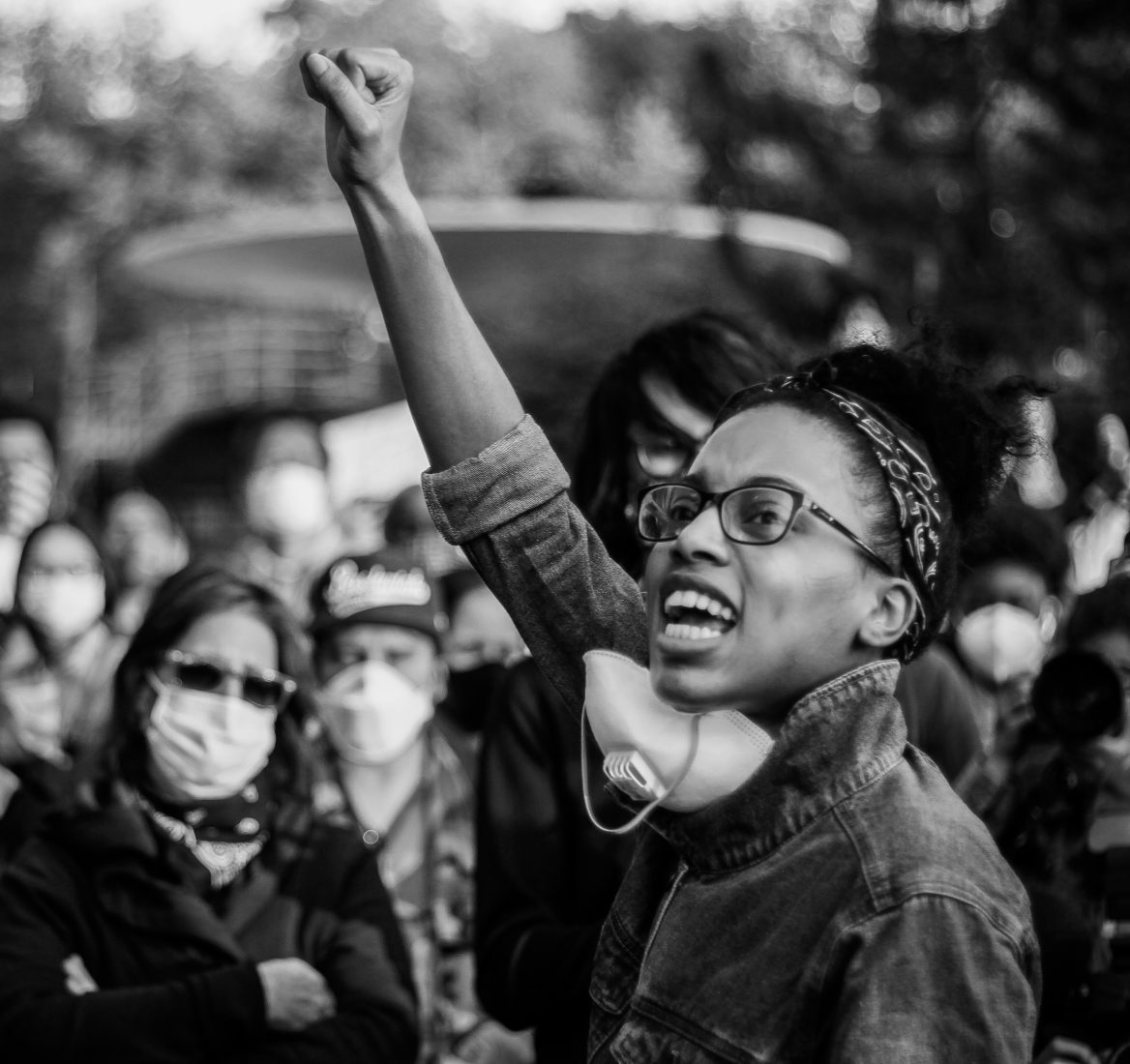
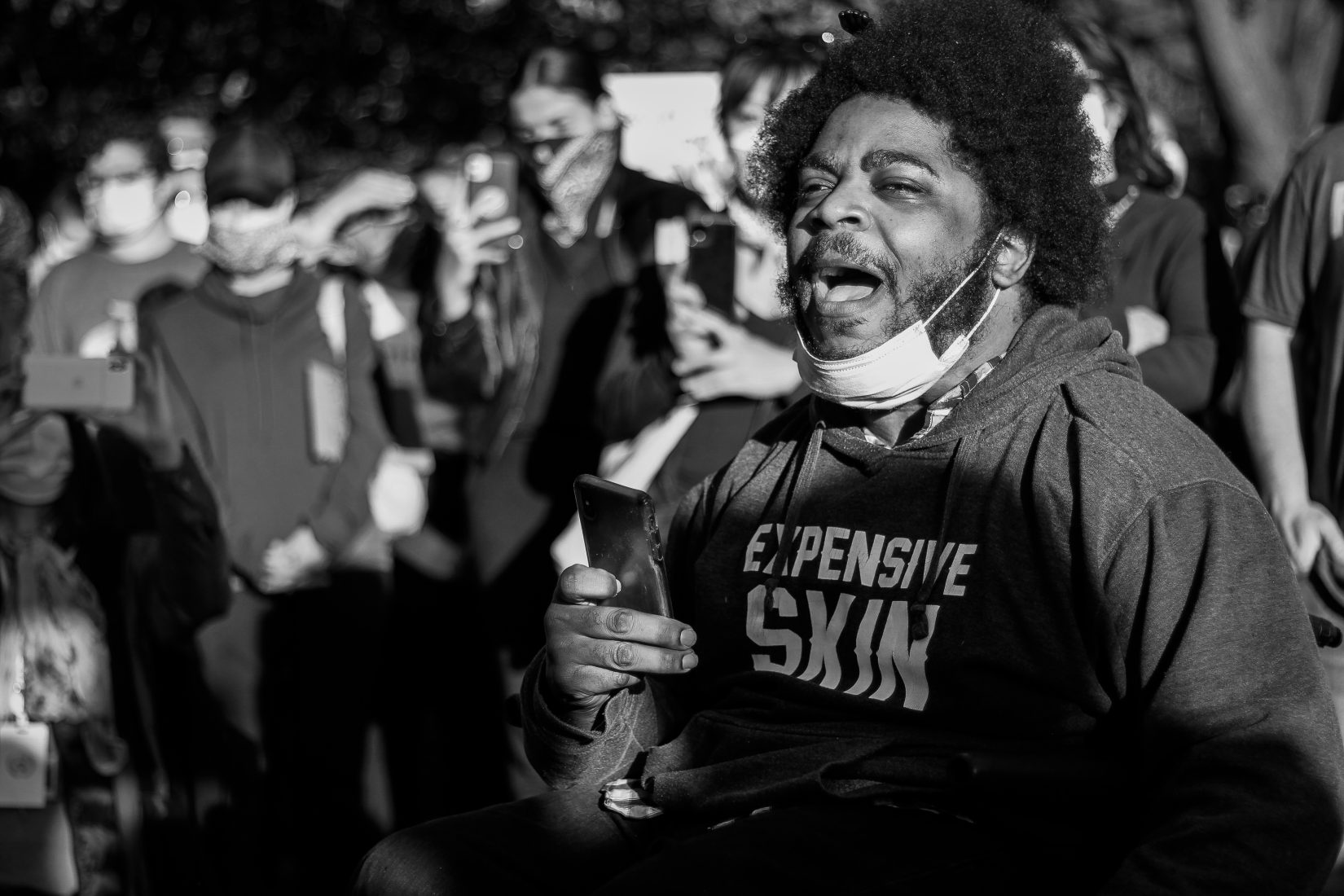
The crowd parted in front of this shrine, forming a circle for poets, activists, students (some as young as 15), parents, Covid survivors, teachers, and musicians to step in and speak from their hearts. After several days of nonstop social media feeds stuffed with violence and rage, these brave ambassadors of peace still rose up for their loved ones. They acknowledged they were risking their lives, but still faced down their greatest fears to do the right thing: to speak their mind by baring their souls to hundreds of strangers who held space for them.

There were dozens of impassioned speeches, eyes shining with tears, the mantra “I’m tired” escaping into the universe, as citizen after citizen called for commitment to mercy and justice. Every speaker implored the crowd that non-Blacks continue to fight for equality, speak up for them, and to actively counter tyranny and discrimination at all levels. A white woman read her text thread between her family aloud, and asked others to follow suit and have those difficult conversations. When it comes down to it, will you retreat into the safety of your homes, or lay down your life for your friends? Will you advocate, will you amplify, will you cry, will you march, will you love?

Photo: Alice Teeple

The motto of the New York Police Department, Fidelis ad mortem, is Latin for “faithful to death.” A sinister translation, to be sure, after witnessing the atrocious brutality exercised on demonstrators this week. There was no need for the dozens of NYPD clutching riot gear on the perimeters. This was a protest of the interests of the oppressors who are given priority over common decency, of equality, and of humanity. When corporations talk a good game for advertising, but refuse to pay their employees a fair wage or provide health insurance, expect resistance. Courtesy, Professionalism, Respect. Where have those qualities been, other than emblazoned on the car doors ramming into innocent bystanders? Or brutally mocking, harming and neglecting vulnerable homeless people in our city? It’s shameful, and it’s wrong.

These were American citizens, exercising their right to peacefully assemble and speak freely about the government, to look out for our fellow humans of all colors of the rainbow, all genders, all orientations, and all cultural backgrounds. The Astoria Park rally radiated nothing but tough love and solidarity. As one speaker eloquently put it, “we all bleed the same color.”

The United States is a beautiful melting pot of humanity and melanin, and when given the chance, has the potential for so much beauty and grace and evolution. Don’t forget what we are fighting for. Inevitably there will be commercials with melancholy piano music and meaningless platitudes about “coming together,” but that’s the same old nonsense. Business as usual. Coming together means standing up for what’s right and helping your fellow humans, not just when it’s trending as a TikTok challenge or a black square on Instagram. Every day. Every hour of every day. Support minority-run independent businesses. Support champions of justice and support education. Support those who wish to travel to learn more about life around the globe. Support minorities in the arts and humanities.

When the glass is swept and the next news cycle lashes out the next Two Minutes Hate, hold on to the light. Tightly, fiercely. Never, ever lose the light.
HOW CAN YOU HELP?

Put your money to work and donate.

Black Lives Matter:

https://secure.actblue.com/donate/ms_blm_homepage_2019

Brooklyn Bail Fund to assist protesters in Brooklyn:

https://brooklynbailfund.org/donate

Donate to Black Visions Collective:

https://www.blackvisionsmn.org/

Donate to the Movement for Black Lives:

https://m4bl.org/join-our-movement/

Donate to The Bail Project:

https://bailproject.org

Donate to George Floyd Memorial Fund:

https://www.gofundme.com/f/georgefloyd

Donate to Reclaim the Block:

https://secure.everyaction.com/zae4prEeKESHBy0MKXTIcQ2

Donate to bail funds across the US:

https://secure.actblue.com/donate/bail_funds_george_floyd

Donate to the Southern Poverty Law Centre:

https://www.splcenter.org/

Donate to the #SayHerName campaign:

https://aapf.org/support

Donate to the Emergency Release Fund:

https://emergencyreleasefund.com/about/

Donate to Unicorn Riot to help provide accurate, on-the-ground coverage:

https://unicornriot.ninja/donate/


SEE MORE:

Dancing Between The Lines With Brooklyn Singer Lorelei Rose Taylor

Biig Piig Makes An Impressive “Switch”

KVASIR Unleashes A “STATE” of New York During The Era Of Covid-19
NYC’s Lesley Barth Hits The Sweet Spot With “Big Time Baby”

Album of the Year: Civilian by Frank Tovey


Categories
Art Culture Featured

Do You See What I See?

If humans had to make every decision from scratch, nothing would get done. So our brains take shortcuts–they build models based on past experience to help us make important decisions and impressions as fast as possible: tigers bad, fire hurts, Philadelphia Eagles choke. The problem is that, when our brains decide that they have enough information, they become reluctant to update the model. Worse than that, we stop seeing our model as a model; it is easier to treat it as fact.

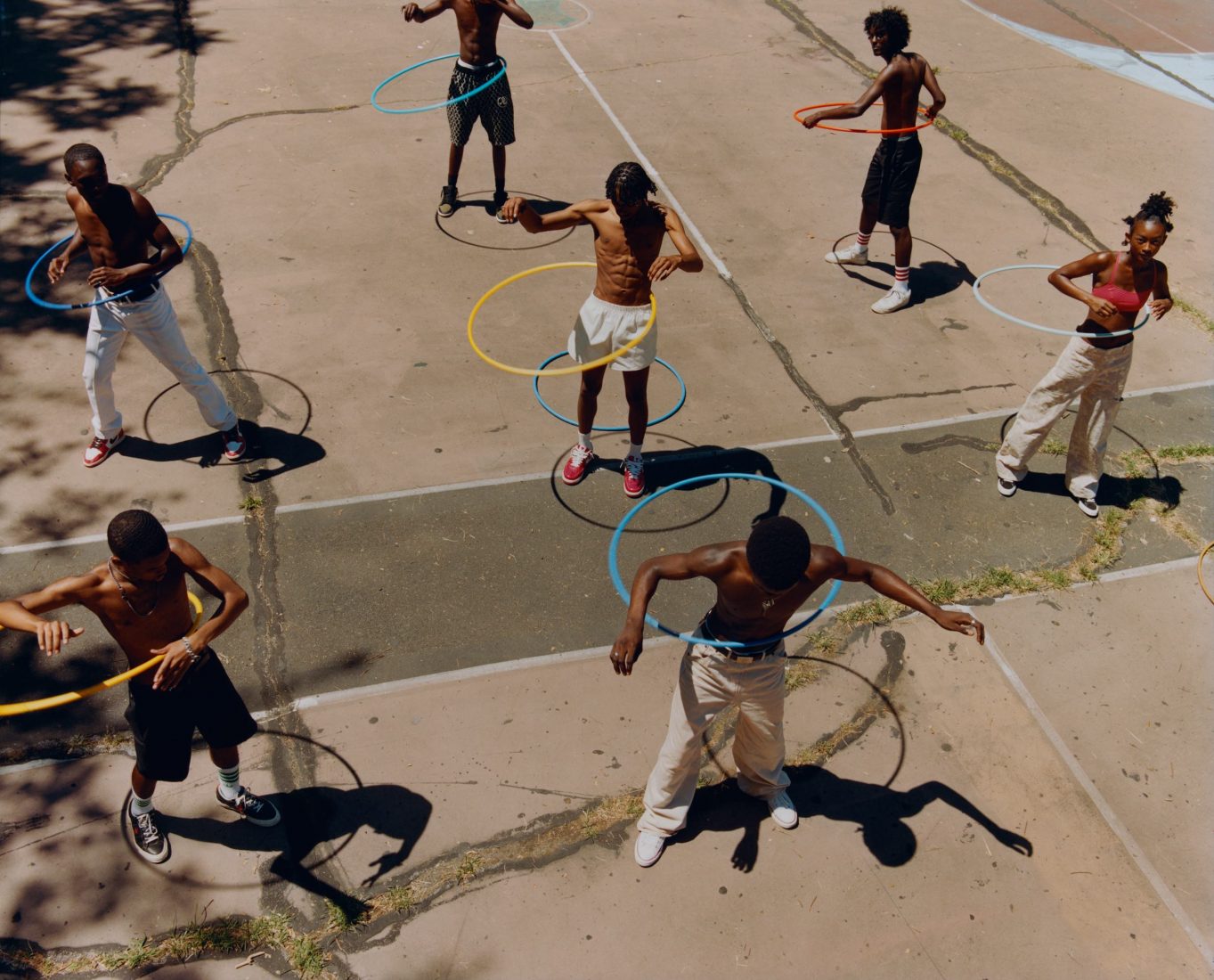
Photographer Tyler Mitchell was fascinated by images of recreation, especially on blogging and social media sites like Tumblr. A young black man from Atlanta, he was acutely aware that the children and teens in the images, especially the boys, were all white. Very few reflected Mitchell’s life and experiences.

It wasn’t a problem unique to Tumblr. There is very little media anywhere that portrays black boys in innocent play. More often, black boys are portrayed as younger black men, and black men are portrayed as criminals. Mitchell set out to change that. 

The 24-year-old says that his newest exhibition, “I Can Make You Feel Good” at the International Center of Photography, is utopian. It shows photos and videos of black children and teens, especially boys, playing and relaxing outdoors. Its utopian nature comes from the fact that black children are so often unable to relax and play freely.

Mitchell’s exhibition opens with three screens showing projected videos of teens. The screens are an outward-facing triangle in a room of blank walls and a single mirror, so there are no distractions. As you watch, voiceovers of young teens explore personal anecdotes of bias and prejudice. One girl recounts an incident where a store employee followed her around an arms-length away as she shopped. A boy vents frustration at how his proud Nigerian family and heritage is ignored and discarded by those who see him only as another African-American. Another girl describes the exhausting effort she had to make to manage expectations and assumptions made about her by others based on her skin tone, specifically, in this story, the parents of a white friend.

All the while, you watch videos of black kids sitting, posing, or laying in a relaxed heap on a picnic blanket enjoying the outdoors. But this–for me at least–was just a primer.

If you walk through another room full of stills of children and families, and you find yourself in a likeness of a suburban backyard: fake green grass beneath your feet and a white picket fence along the walls. Beanbag lounging beds stretch across the fake grass, inviting visitors to lie down and look up at another projector screen above their heads, with soothing, lively music playing in the background. 

Tyler Mitchell
From “I Can Make You Feel Good” by Tyler Mitchell

This was where I had my ah-ha moment. This was where the exhibition struck home for me. I laid on that beanbag watching footage of black boys playing–riding bikes, swinging on swings, playing touch football–and I let the voices that I had heard earlier run through my mind. After a minute or so, I became aware of that assumption model working in my head, picking out flashes of recognition and sorting them according to experiences, stories, and media from some time in my past. Did that boy have the same haircut as a young gang member from the tv show The Wire? Did one of the boys on the bike look like a picture that I had once seen on the news of a bike thief? Human brains love to take images and make stories, and I became painfully aware of the tools which my subconscious wanted to use to build that story.

I thought back to the boy frustrated that people refused to see his proud family narrative; the girl trying to make sure that her white friend’s mom didn’t think of her as one of “those” black girls; of the other girl who likely now, if she didn’t before, spends all of her energy while shopping figuring out how to act to preemptively prove that she wasn’t there to steal anything.

I spent 20 minutes watching shots of a young boy’s ice cream dripping onto a camera. Watching groups of boys on swings and playing tag. And I forced myself to peel back all of the layers of assumptions which I, a 28-year-old white man who considers himself to be pretty progressive, had painted onto silent stock footage of boys enjoying the outdoors.

What Mitchell’s “I Can Make You Feel Good” has done, at least for me, is to remind me that the model exists and that the inputs are not–and never can be–so accurate that we can forget to update and reflect on it from time to time. And maybe we can approach a utopian time when everyone can look at children playing, shopping, or riding bicycles, and see nothing more than that.

See More

Strange Tales of Lonely Houses

Depictions and Conversations with Susan J Barron

Flooded With Memories: “Flood” By They Might Be Giants Celebrates Thirty Years