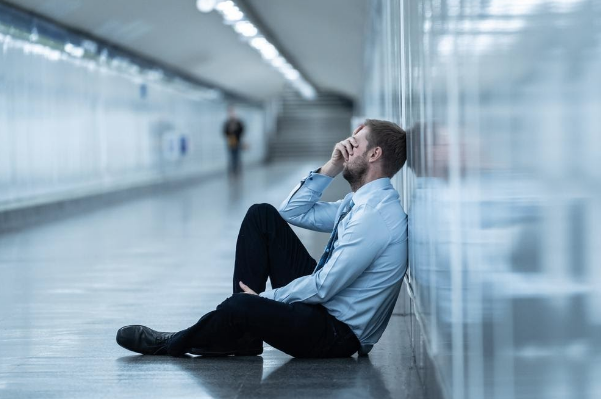
The social and physical environments of urban living can contribute negatively and positively to mental health and wellbeing. City dwellers experience environmental pollution, social isolation, crime, and stressors more than people living in rural areas.
For years, urban environments have been consistently linked to the risk of developing schizophrenia and other mental issues. Even with an abundance of therapists, cities like New York experience high rates of people with mental illness.
If you reside in a city and are a victim of mental health illness, a psychiatric nurse can help. With that in mind, here are some reasons why urban dwellers may have increased mental health issues:
- Social-related issues
Negative disparities in the city can be experienced by people with pre-existing risk factors such as minority status, poverty, or existing mental health problems. For instance, this can involve psychological and physical segregation into neighborhoods characterized by social challenges and poverty. That engenders feelings of hopelessness and injustice, as well as experiences of discrimination and prejudice that can affect mental health.
- Pre-existing risk factors
People move to cities to distance themselves from past negative experiences or search for better economic and social opportunities. Factors such as poverty, homelessness, unemployment, previous trauma, immigration, physical and mental health problems, addiction, personal crises, or family break up can all be reasons people may become victims of mental health problems.
- Polluted environment
The city environment can affect people mentally in several ways. Erosion of protective factors: People living in the city have less access to mental health protective factors than those living in rural areas. These may include reduced opportunities to exercise, diminished access to nature, and less time for leisure.
People who live in the city also experience increased stimuli levels: crowding, density, noise, smells, disarray, sights, pollution, and intensity of other inputs. Those factors can make them feel unsafe, stressed, or even have less sleep, negatively affecting mental health.
Living in the city can definitely increase stress levels; however, you can make a world of difference if you know what to do so that urban life doesn’t affect your mental and physical health. It comes as no surprise that finding a community, talking with loved ones, and exercising can boost your mood. And while these interactions can help urban dwellers stay afloat, the activities can benefit us all.