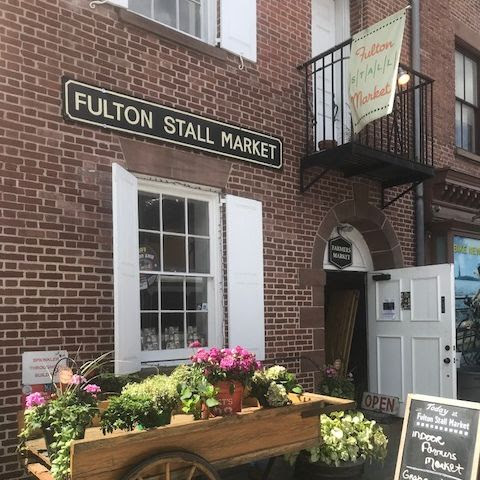
Spring is always among the best of seasons to secure fresh produce while revamping with ornamentals and decorative flowers. From Easter to Mother’s Days to every meal in between, find what you’re looking for with these upcoming offerings at the Spring CSA Farm Share at Fulton Stall Market.
What to Find at the 2022 Spring CSA Farm Share
Each week, locally-produced food is available from up to 20 farmers across New York State with the Spring CSA Farm Share. The program aims to not only boost the availability of fresh, nutritious produce for New Yorkers, but also supports the revival of local agriculture in our abundant region.
Find the following goods at the Spring CSA Farm Share:
To learn more about the goods and farmers available at Fulton Stall Market, visit fultonstallmarket.org. The indoor market is located at 91 South St., between Fulton & John Sts, with hours running from 11:30 am to 5 pm Monday – Saturday, year round.
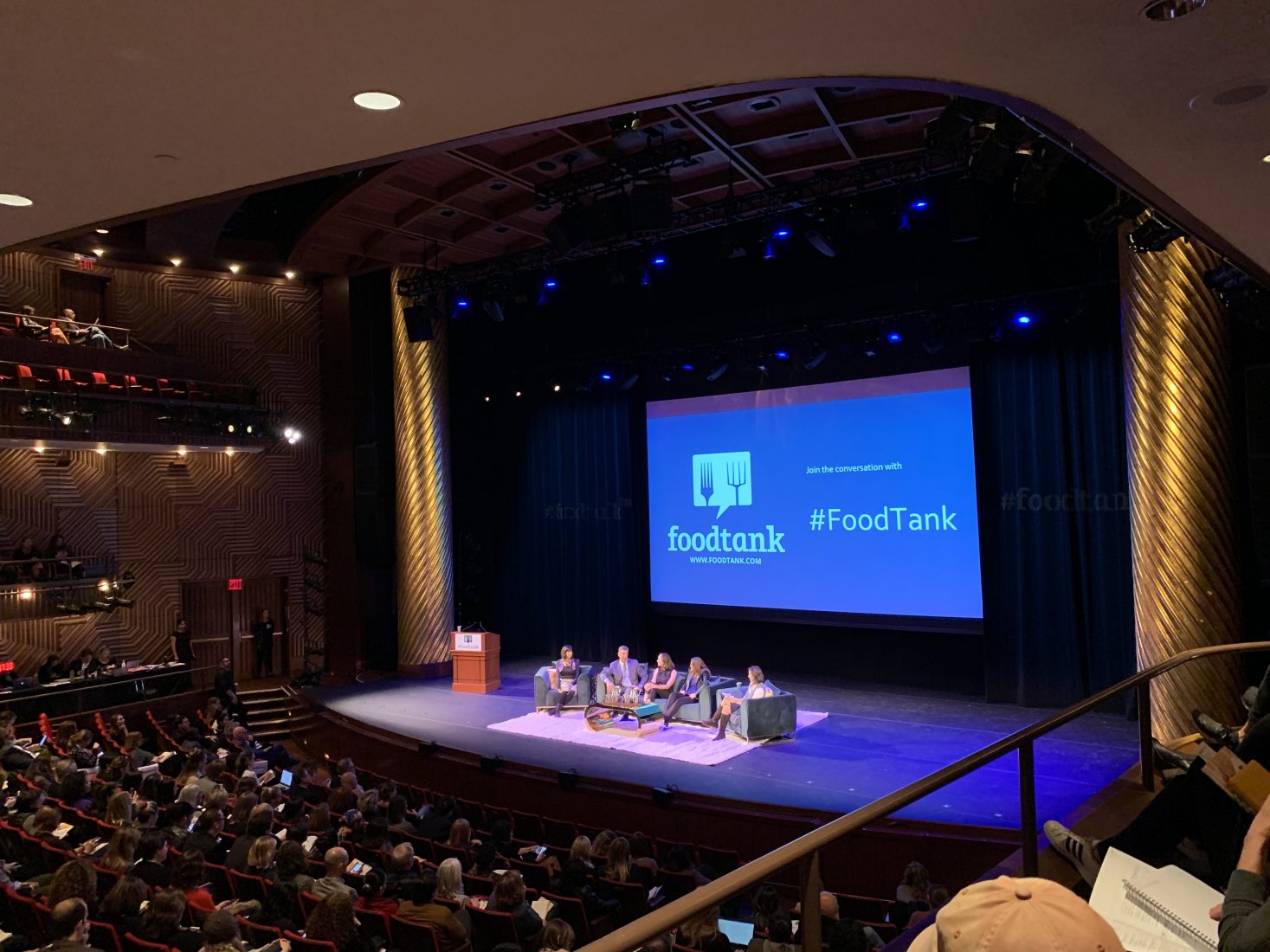
Founded in 2013, by the world-renowned researchers and speakers, Danielle Nierenberg and Bernard Pollack, Food Tank has helped to highlight innovative ideas to improve our food system, like regenerative agriculture, food access, and affordability, creating better policy and preventing food waste. Besides the active online presence, the Food Tank’s Summits have hosted hundreds of speakers to get people’s attention to the subject.
The 2019 New York Food Tank Summit
This year’s summit took place at New York University, on November 1st and 2nd. Among the speakers were leaders like James Rogers, a scientist that is mimicking nature to prevent food loss and waste – at Apeel‘s website you can learn more about how this technology works; Jyoti Stephens, representing Nature’s Path, a company that relies on regenerative and organic agriculture practices to restore soils and landscapes; Haile Thomas, a 18-year-old chef, author and activist on health, CEO of HAPPY (Healthy Active Positive Purposeful Youth); besides many journalists and writers that are doing a great work reporting about these issues and making people aware of it.
One of the highlights of the event was when Mark Bittman, author of How to Cook Everything and editor-in-chief of Heated, took the stand to talk about the importance of food policy. After all, eating is a political act. He also talked about how many companies say they care about the environment and people’s health, when they’re not actually helping.
“Pepsi doesn’t really do anything good. Mcdonald’s says they want to do better, but they have to show up. Should these companies exist? Give me a magical wand and they are gone.” – Mark Bittman.
To learn more about the organization and become a member, access Food Tank‘s website.
It’s time that we take a sensible approach to nutrition and recognize our bio-individuality: there’s no one-size-fits-all diet. Most nutrition books tell you what to eat without any reference to age, gender, size, lifestyle, ethnic background, or personal preference. But the truth is that the food that is perfect for your unique body may make another person gain weight and feel lethargic.
Despite the nutrition trends you’ve read in your favorite health resource, It’s important to not get stuck in dietary dogma and instead eat intuitively, trusting your body to guide you to the foods that best support you.
Fortunately, you already have free, 24-hour access to the world’s most sophisticated research facility: you’re living in it. Your body is a highly intelligent resource that has evolved helpful instincts to keep you alive and well.
Bloating, exhaustion, and weight gain are all signs that something you are eating or how you are eating it isn’t working for you. Listening to the messages your body sends you before they become unbearable can prevent many chronic illnesses, doctor visits, medications, and operations.
To develop a deeper relationship with your body, try the breakfast experiment: explore eating a different breakfast every day for a week and write down how you feel right after the meal and two hours later.
Quickly you’ll find what energizes you and what drains you. Certain foods will cause indigestion; certain foods will enhance your ability to concentrate at work; certain foods will leave you feeling lethargic. It is a very empowering experience to realize you don’t need to follow someone else’s guidance, but can trust your own intuition to find the diet that works for you.
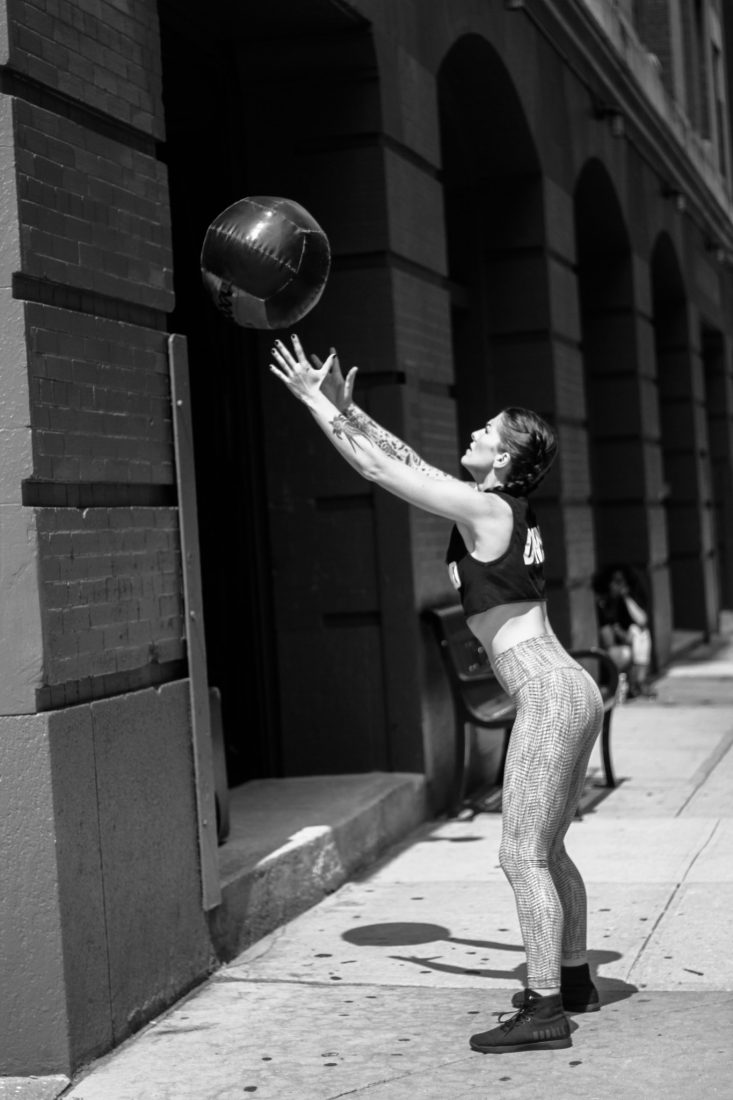
Photo credits: Walter Savage @savagelens
What’s more important to your health than food
You may not realize that there are other factors in your life that are more important than food for your health. What we eat is often secondary to the energy in our lives that fulfills us physically, mentally, emotionally, and spiritually. The four forms of primary food truly nourish you and make your life extraordinary include:
Relationships: We all have a need to give and receive love, so prioritizing your relationships with spouses, siblings, parents, friends, and coworkers are key to ensuring your long-term happiness.
Career: Work should mean more than just a paycheck – it should fulfill you on an emotional and intellectual level. It’s important to try to find the work you love, or love the work you find.
Physical Activity: Our bodies thrive on movement and quickly degenerate without it. Whether it’s yoga, jogging, surfing, or taking your dog for a walk, find the type of regular exercise that energizes you.
Spirituality: Spiritual nutrition can feed us on a very deep level. Whether it’s daily meditation, attending religious services, or taking a walk in nature, becoming more spiritual can add incredible meaning to your life.
There’s no way around it. If you’re going to ask me about nutrition, 10 out of 10 times I will tell you that your body will thrive the most off a plant-based diet. As long as you consume enough calories from whole plant foods for your body weight, you will never have to seek out any extra nutrients. Not sugar, not carbs, not even protein! I find plants to be so remarkable because they obtain everything you need to survive. Also… let’s not forget that they are incredibly tasty!
There are many ways to tailor a plant-based diet in order to help individuals with specific goals, just like any other diet. For example, if you’re looking to gain more muscle mass, you are definitely going to have to increase your food intake. Although if you are like me and are more interested in staying lean, maintaining an “average” caloric intake (for my body) of plant-based foods helps keep me exactly where I want to be. Below I’ve given you a very standard example of what I eat in a day. By no means is this what I eat every day, as I love to eat a wide variety of plant-based foods. Feel free to make the recipes below for yourself and loved ones! And don’t forget to make them your own.
Chocolate Banana Smoothie. Photo credit Lisa Photios, via Pexels.com
CHOCOLATE BANANA SMOOTHIE:
Ingredients:
2 frozen bananas
1 cup almond milk
1 cup water (or aloe juice if you have a bad stomach in the morning)
2 heaping tbsp. cacao
2 tbsp. hemp seeds
1 tbsp. maca root powder
1 tbsp. ground flax seed
A tiny bit of cinnamon & vanilla extract (if you’re feeling extra)
Directions:
Blend it up and enjoy it! (Don’t forget to use your reusable straw)
Winter Kale Salad. Photo credit Elle Hughes from Pexels.com
WINTER KALE SALAD
Ingredients:
1 cup chopped kale
1/2 cup cooked quinoa
1/2 cup sautéed portabella mushrooms
1/2 cup roasted butternut squash
1/4 cup pepitas
lemon, olive oil, salt
Directions:
It’s a salad… you know what to do!
https://www.freshnlean.com/recipes/Burrito Bowl. Photo credit Ella Olsson
BURRITO BOWL: (Typical… I know, but I love them)
Ingredients:
1/2 cup cooked brown rice
1/2 cup cooked black beans
1 cup roasted sweet potatoes
1/2 sliced avocado
hot sauce (if you’re feeling extra again)
Directions:
Throw it all together in a bowl and eat it up!
We all want a diet that allows us to eat without guilt and find peace with our bodies. My goal is to help spread information on how a plant-based diet can be your missing puzzle piece. To some, the thought of loving your body may seem foreign and impossible. It is not unusual to feel uncomfortable and frustrated with your body, but that doesn’t mean it’s ok. By taking control over what you allow your body to consume, you will reach your aesthetic goals and most importantly, achieve a genuine, healthy body. When you are truly healthy on the inside, there is no doubt that you will look your best on the outside.
No matter our size or food preferences, we all have complicated relationships with food. Certified Eating Psychology and Nutrition Expert Elise Museles created the Food Story platform to help individuals understand that relationship with food and make sure it’s one they feel good about. We chatted with Elise about her work, her new podcast, and where she likes to eat in NYC!
Downtown: What even is a certified eating psychology and nutrition expert?
Elise Museles: Most people think of nutrition as the food on their plate and see an expert to learn “what to eat.” I realized early on that the “what” is only part of the nourishment equation, so I studied at the Institute for Psychology of Eating to empower people to think about how they eat and who they are as eaters. My training provided me with a strong skill-set and the ability to work with the most commonly seen and important eating concerns of our times: weight, body image, overeating, binge eating, emotional eating, endless dieting, digestion, fatigue, immunity, mood, and much more. In a nutshell, I help people with what’s on their plates and what’s in their minds.
Downtown: What are some key things to think about when figuring out your food story?
EM: Understanding your food story is the key to lasting change. Even if you’re reading this and thinking, I don’t have a Food Story, you do! We all do. Unlike your relationship with food, which is just YOU and FOOD, your Food Story is multi-layered and written over years and years. And the beautiful thing about a story is that it is always changing and evolving.
So, when you have behaviors and habits that you would like to release, discovering where those unwanted challenges came from can help you heal them. Because when your stories remain unprocessed, they can zap your life force energy, literally draining you of your vitality. But understanding the root cause, empowers you to release what is no longer serving you and enables you to write a new chapter! When you go back in time and make that connection, you can say, “well that’s not my story anymore, and I have the power to change it!” That awareness will propel you forward to change.
Downtown: When someone comes to work with you, should they expect to totally disrupt their current way of eating?
EM: I always meet people where they are instead of pulling the rug from underneath them. The only solution that I’ve found that works is to make small changes over the course of a long period of time and to focus on all the “do’s” as opposed to the “don’ts.” Instead of telling my client to “quit all dairy tomorrow” I suggest using almond milk in their coffee every morning for the next month. Instead of talking about the negative impact of some the processed foods they are eating, I help them add inlots of fresh colorful choices so they lose their desire for the less ideal foods. Nobody likes being told what they “can’t” do, and I find it much more effective to focus on all the awesome habits and meals that they canhave.
Lasting results usually come from consistent actions and subtle, meaningful shifts. It really is so much more sane and sustainable to be realistic and take it slowly with positivity. It all adds up, and those good habits are likely to stick around when you adopt this approach!
Downtown: What are the most important eating habits healthy people should practice?
EM: Every person and every single body is unique. Here are some ways that we can all benefit:
Eat more plants, which leaves less room for the not-so healthy choices.
Add lots of color to your plate.
Make sure to balance all your meals and snacks with a combination of good carbs, protein, and healthy fat.
Think ahead of time and be prepared. It is hard to make nourishing meals when you don’t have fresh food around.
Schedule me time into your calendar so you have a better mindset to follow through with your good intentions.
Sit at the table without distraction so you can tune into your body during meals.
Set realistic expectations instead of being so hard on yourself, allowing room for flexibility.
Downtown: What have you learned about yourself since getting into the food and nutrition field?
EM: The biggest takeaways that I have since immersing myself in this field:
Healthy eating is never black and white. I like to say there are many shades of green. I have released my rigidity and now allow space for flexibility and give myself permission to EVOLVE. That means, my habits and food choices might change with the seasons, my hormones, with age, and activity level. Saying goodbye to all the crazy food rules has made eating a lot less stressful and even helped me maintain a better weight!
I also now realize that you can eat all the kale, quinoa, smoothies, and superfoods in the world, but if your mind is filled with toxic thoughts, then you’re never fully nourished. I pay equal attention to what I eat and what I think.
Downtown: You started a podcast this year, what would you tell someone who wants to start their own?
EM: While it might appear to be easy, hosting a podcast is a big responsibility that takes a lot of time and effort, but it is also extremely rewarding. I decided to start Once Upon a Food Story as a different way to share my message and to be able to go deeper in conversation than I can in a blog post or social media caption. What I didn’t realize is that there is a lot of behind the scenes that takes place before an episode goes live, from interviewing a guest to editing the conversation to writing show notes to getting social media graphics and content ready.
Having said that, my best advice is to make sure that you have the bandwidth to take on the demands. Get clear on your why behind it. Have a message or niche carved out. Be consistent with your episodes. (Many podcasts publish weekly.) Most importantly, have fun with it!
Downtown: What’s your favorite recipe?
EM: My favorite recipe changes with each season since our bodies naturally crave different things in the cooler versus warmer months. One of my favorite meals any time is a sweet potato loaded with lots of veggies, spices, and plant protein like my Fiesta Stuffed version. And I always have a supply of a healthy (and vegan) chocolate chip cookies ready and waiting to satisfy my sweet tooth. Try out the recipes for yourself!
Downtown: Where’s your favorite place to eat out in NYC?
EM: I feel like a kid in a candy store in NYC because there are so many incredible restaurants and innovative places to eat. I love ABC Vbecause I can go and get a plant-based meal that is creative and satisfying even to people who aren’t as heavily plant-based!
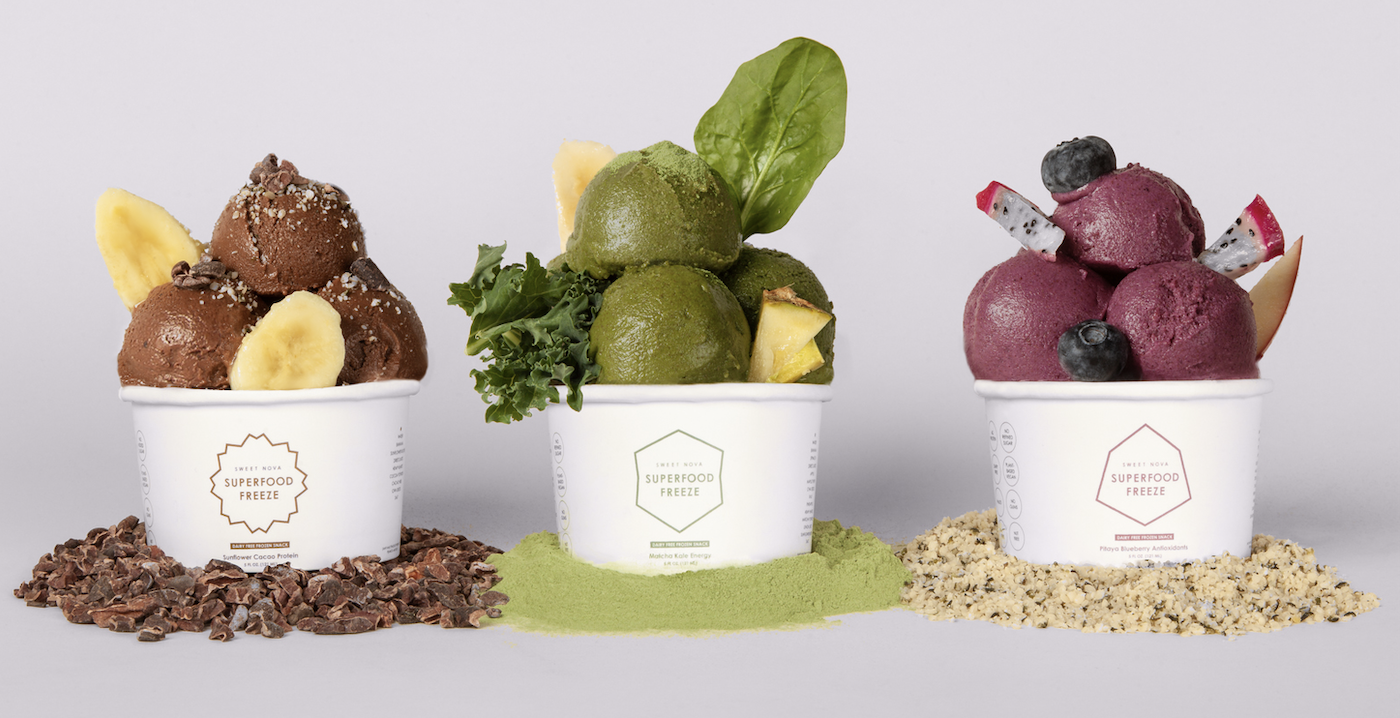
Scrolling through Instagram or even just walking down the street you’re likely to see tons of smoothies, smoothie bowls, and “nice creams.” Sometimes making these at home can be a hassle, and buying them every day can get expensive. Enter Sweet Nova, a straight from the freezer solution to your breakfast, dessert, and snacking needs! We chatted with founder Caroline Tseng about why she started Sweet Nova, how she created the product, and their shop and delivery services.
Downtown: What was the impetus to start Sweet Nova?
Caroline Tseng: I’ve always been obsessed with health and wellness but was a terrible cook, so my go-to way to get real, whole, plant-based foods in my diet was making smoothies. With how busy my former job in advertising was even making smoothies was too cumbersome of a process, and I’d often have to rush out the door in the morning having skipped breakfast. I thought to myself, “What if I could freeze a smoothie and just grab it and go?” Freezing produce actually locks in nutrition and also prevents it from going bad. That’s when we had our lightbulb moment and ended up putting a whole food smoothie into an ice cream form!
Downtown: What were your concerns in creating the product? What was most important to you?
CT: One of the biggest concerns we had was the ongoing balance between taste and nutrition. Unfortunately, if you have too much of one, you have too little of the other. At the end of the day though, we wanted to make sure the product was good for you AND tasted good. We tested over 100 recipes to find that perfect balance!
Two other big concerns were using whole ingredients and reducing sugar levels. We are very anti-hyper-processed ingredients such a protein powders. We know that people are obsessed with protein these days, but we wanted to incorporate protein in a whole food, plant-based way. That’s why we ended up with hemp seed hearts as a core ingredient in all our flavors. On the sugar side, I worked closely with Sweet Nova’s Lead Dietitian Nutritionist Tanya Freirich to look for the best solution and make sure that we weren’t going above AHA’s recommended levels of added sugar (less than 25g a day for women, less than 37.5g a day for men). We ended up having no added sugars in our Sunflower Cacao Protein flavor (it’s just sweetened with dried dates), and using only a touch of unrefined maple syrup (5g in each tub) in our Matcha Kale Energy and Pitaya Blueberry Antioxidant flavors.
Downtown: How does Sweet Nova work?
CT: It’s super easy! You literally just grab it from the freezer, grab a spoon, and you’re good to go. That’s it. No blender required. The products also last A YEAR in the freezer – no more wilted spinach in your fridge 🙂 They’re perfect for breakfast, a snack, or of course, an actually good for you evening treat.
Downtown: How did you decide to be both a store and a delivery service?
CT: My POV is, to win in the marketplace today, you kind of have to be cross-platform. It feels stale and limited to only be available via one channel. Case in point: every other day there’s a cool new e-comm brand opening up a physical store or pop-up in Soho (I’m looking at you, Glossier, Casper, and Parachute). For food, it’s even more important to have a physical location because the best way to get people to fall in love with your product is to taste it. We also wanted to be able to interact with the local creative community in NYC, which is why we decided to open up a booth in the gorgeous Canal Street Market. Canal Street ended up serving as both a retail spot and also a distribution point which worked out perfectly for us.
Downtown: What makes your products different?
CT: Kind of everything! Our product is so different that sometimes it takes a second for consumers to get it…but the ones who get it love it immediately. It’s really cool to see when it clicks and customers tell us why they’re so excited that this product is out on the market. To be more specific and not repeat myself too much, we’re a banana-based superfood “nice cream” that is dairy-free, gluten-free, and paleo, with minimally-processed ingredients that you can pronounce, no refined sugars, and less sugar than an apple in each tub. We also consider ourselves a snack, not just a treat – so it’s not really a dessert, it’s something nourishing you can truly feel good about eating.
Downtown: What are you most excited about?
CT: I’m most excited about our product continuing to serve its true purpose…we hear feedback from customers like “I’m living off this stuff” and “I feel so healthy after I eat it” and it’s great to know that we’ve created a product with so much integrity behind it.
Downtown: What’s coming next?
CT: The next big step is to continue to expand our distribution. This includes being part of the roster of office snacks and wellness-focused grocery stores across the country! If your office/local grocery store could use some amazing healthy snack options, give us a call 😉