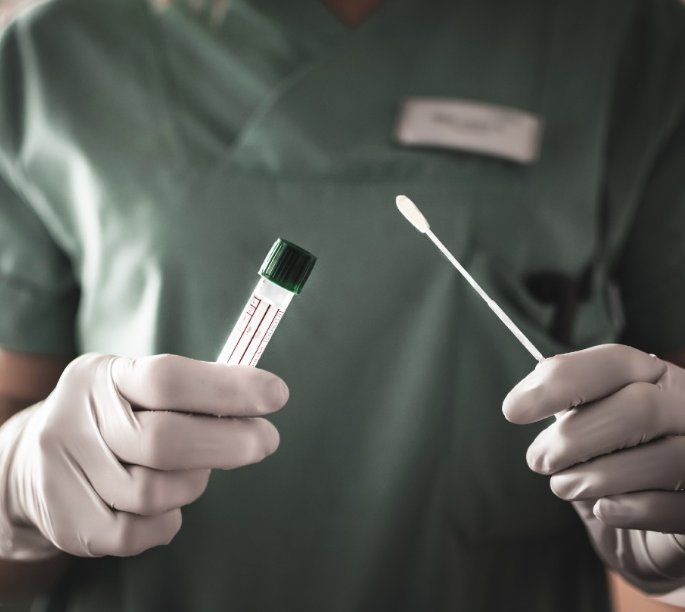
As the city prepares for reopening, hospitals and urgent-care centers across the city are offering tests to determine if you have the coronavirus. The process is intended to be quick and accessible for all New Yorkers.
The following are the nearest test centers for Lower Manhattan.
—
CityMD Urgent Care Fulton
138 Fulton Street
New York, NY 10038
Hours: Mon-Fri, roughly 8a-8p Sat-Sun 9a-5p.
Open to all. Walk-in only. Expect longer than usual wait times.
Cost: Co-payments are waived.
Test results in 3-5 days via text or email.
Open to all, by appointment.
Call 833-766-6769 to schedule, and be sure to specify 119 Ave B location.
Cost: They’ll charge your insurance. If you don’t have insurance they still want you to come, and they will figure out how to cover you. No time estimate on test results.
Open only to NYP patients. Call 646-962-5665 to become a patient and schedule a visit with a physician, who will then refer you for a test through their system.
Cost: Call to discuss. They take insurance for the physician visit/referral.
No time estimate on test results.
Open to all, by appointment.
Call 212-238-78979 to schedule, and specify the Gouverneur location.
No cost, but bring your insurance card.
Test results in 3-5 days via email.
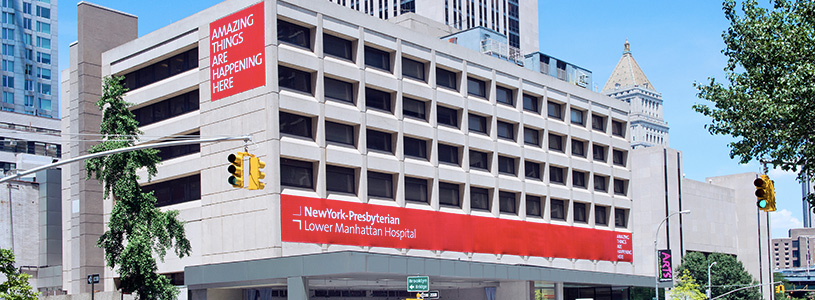
NewYork-Presbyterian Lower Manhattan Hospital (NYPLMH) is an integral part of the Downtown community. We talked with Dr. Judy Tung about diversity in medicine, how she found her way back to New York, and advice she has for women’s health.
Dr. Judy Tung is an academic general internist committed to providing high quality, comprehensive primary care. Her philosophy of practice prioritizes communication and continuity. Her clinical interests are in women’s health and preventive medicine. She is also a core faculty member in the medical college, serving as the Associate Program Director for the residency training program.
Dr. Judy Tung is a graduate of Wesleyan University and received her M.D. from Albert Einstein College of Medicine of Yeshiva University in 1997. She completed her Internal Medicine Residency program at University of California, San Francisco in 2000. Prior to joining Weill Cornell Internal Medicine Associates practice in 2001, Dr. Tung served one year as a Chief Resident in Primary Care Internal Medicine at New York University.
Downtown: What are some changes you’ve seen with diversity in medicine?
Judy Tung, M.D.: Greater awareness that health disparities exist and that to address it requires advancements in science (at how disease conditions might manifest differently and therefore need to be treated differently in specific populations), better partnerships with our community and strategic recruitment, and development of a health care workforce that reflects this diversity.
Downtown: What are some changes you would like to see?
JT: I would like to see institutional initiatives that address the above. For example, researchers at Weill Cornell Medicine and Cornell’s Ithaca campus recently established a new center to better understand why health outcomes vary among demographic groups. Through partnerships with communities in New York City and central New York, the Cornell Center for Health Equity will generate new evidence on how to eliminate such differences with the goal of achieving health equity for people locally, regionally, and nationally. Additionally, the Dean of Weill Cornell Medicine has made mentoring, particularly for women faculty and underrepresented minorities, a strategic priority for the next few years.
Downtown: How did you choose the field of medicine?
JT: I chose the field of medicine because I am fascinated by the human body and the human spirit; because illness is a universal equalizer, everyone is vulnerable to sickness, and because I enjoy empowering people to be their best selves and live their fullest life.
Downtown: Working with women, what are the most common issues among your patients?
JT: Women are often the keepers for the health of the family – they bring family members to the doctor’s, they prepare meals, and keep households still in the majority of American families. Educating women on how to take care of their physical and mental health has an impact on all members of the household.
Downtown: As an educator, are you noticing any significant changes in the next generation of medical professionals?
JT: Yes, the next generation of physicians are technologically savvy, innovative in their approaches to patient care, empowered to speak their minds, and advocate for their positions, making them an exciting group to work with.
Downtown: As someone who specializes in both women’s health and preventative medicine, what are some everyday things you feel that most women should be doing but aren’t?
JT: I feel that many women (and men) underestimate the value of physical activity. It is easy to lead a sedentary lifestyle. But it’s important to remind everyone that the simple acts of walking or stretching can prevent injury, unintended weight gain, and cardiovascular deconditioning.
Downtown: What do you like about working at NYP/LMH?
JT: LMH has a rich history and tradition of service, which was founded by Dr. Elizabeth Blackwell, the first woman physician in the United States. LMH has a lot of heart, and because of this, it has also become a haven for New Yorkers, especially during several tragedies, including 9/11. I think people who choose to work in this community hospital have a strong sense of mission and a true dedication to the patients and the community in which the hospital serves. Providers and staff are willing to stretch their comfort zone and go out of their way to help each other and help patients.
Downtown: Why did you choose New York City for your practice after completing your residency in California?
JT: New York City is my home. I always knew I would come back after my training in San Francisco because the city is in my blood. I enjoy the pace, the culture, the diversity and the no nonsense straight forward way of communicating.
Downtown: If you could choose one what’s your favorite thing about New York City?
JT: My favorite thing about New York City is the food. You can get any cuisine at any time in multiple locations, and sometimes the food is better than if it were cooked in the native country.
Downtown: Battery Park City, better known as the diaper district, hosts plenty of new moms – what advice can you give a new mom who cannot find time for herself?
JT: My advice to new moms (I have two girls now 11 and 14, but the toddler years are still fresh in my memory) is to remember that our children learn from our verbal and explicit lessons, but they also learn by watching our actions. If we want them to grow up eating well, exercising, connecting with friends and family, self-reflecting, and re-charging, then we have to role model it for them. Plus, sleep gives you patience!
Downtown: Where do you go for an escape from the hustle and bustle of downtown?
JT: I am a homebody and love curling up on my couch with a good book or a Korean drama on TV when I need an escape. Other ways for me to unplug is with a jog around the reservoir in Central Park, a trip to my mother’s home in Midwood, Brooklyn, or a large family cruise.
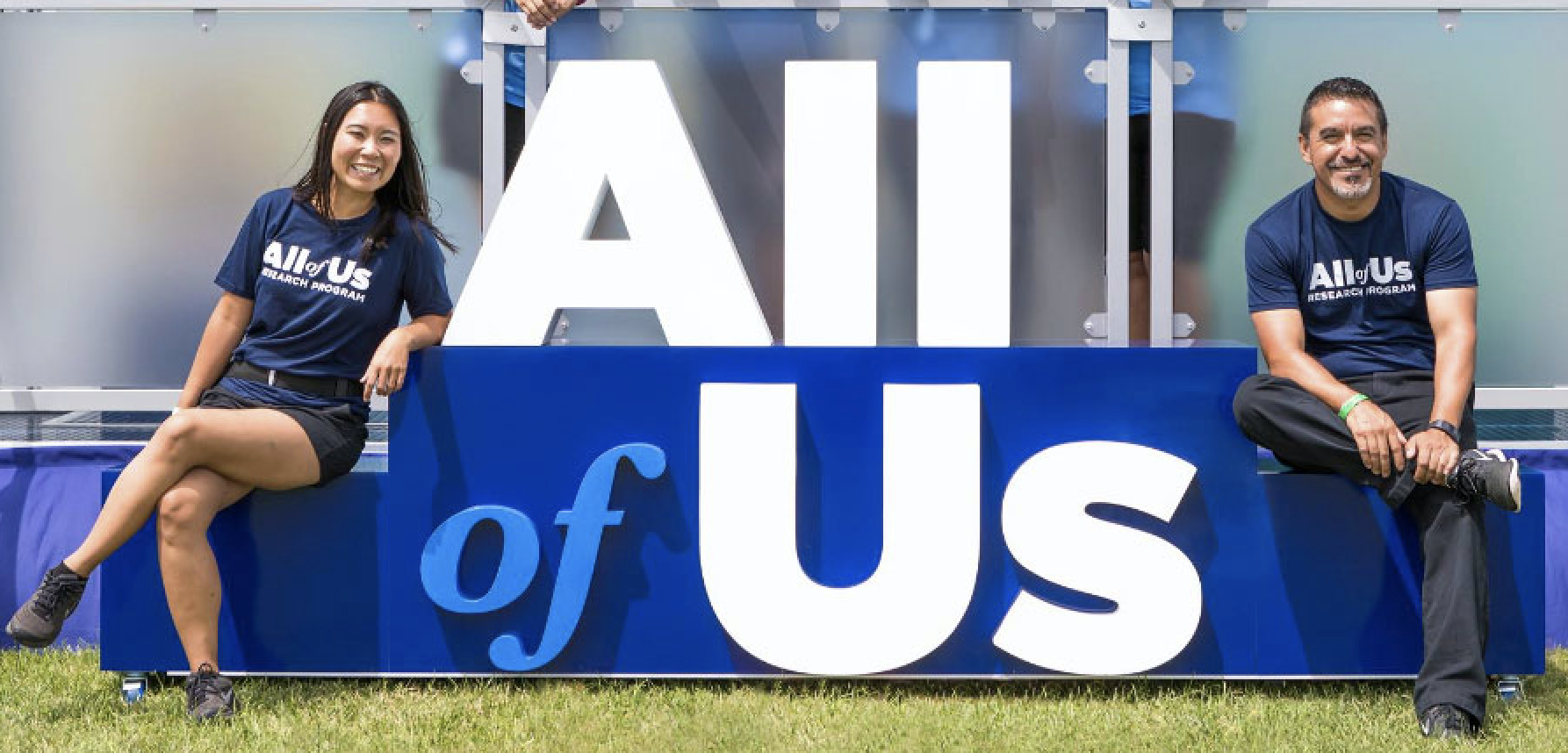
The All of Us Research Program is an effort by the National Institutes of Health (NIH) to gather data from one million or more people living in the US to accelerate research and improve health. Participants are helping with a research process that can lead to medical breakthroughs and may learn about their own health in the process.
The All of Us Enrollment Bus will be at the Gold Street entrance to New York Presbyterian Lower Manhattan Hospital from 10:00 AM – 4:00 PM on February 26th and 27th. The process takes 18-30 minutes, but there will be plenty of assistance on the enrollment bus, and you’ll be helping accelerate medical research leading to more breakthroughs in the health field.
The trauma center at NewYork-Presbyterian/Weill Cornell Medical Center has been designated a Level I adult and a Level II pediatric trauma center by the American College of Surgeons for our ability to provide the highest quality of care, especially in critical and complex cases.
A trauma surgeon must be a “Renaissance person” capable of taking care of anything that may come through the hospital door. This is the surgeon that one would hope to have in the hospital when a surgical emergency enters the building. This surgeon would be able to take care of some of the most critical patients during the worst possible times.
Dr. Narayan is an Attending Surgeon at Weill Cornell Medical Center in the Division of Trauma, Burns, Critical and Acute Care Surgery. He was previously Associate Professor in the Department of Surgery at UT Southwestern Medical Center, Dallas, TX, where he also served as Chief of Acute Care Surgery, Chief of the Surgical Intensive Care Unit and Associate Program Director for the General Surgery Residency Program. He was previously an Assistant Professor at the R Adams Cowley Shock Trauma Center at the University of Maryland, Baltimore, MD, where he founded and served as Medical Director for the Center of Injury Prevention & Policy. He was the Associate Director of the Division of Medical Education and Course Founder and Director for two new courses, the Humanism Symposium and the Surgical Boot Camp.
DTM – Dr. Narayan, could you tell us about your work with the Stop the Bleed campaign and why have you chosen to participate in this initiative specifically?
Dr. Narayan –Stop the Bleed is a national awareness campaign and a call to action. Stop the Bleed is intended to cultivate grassroots efforts that encourage every-day citizens to become trained, equipped, and empowered to help in a bleeding emergency before professional help arrives. As a trauma surgeon at one of Manhattan’s Level 1 Trauma Centers, I know that seconds matter when dealing with massive bleeding. Frankly, this is personal. I lost an aunt and uncle in India to a car crash, so I know how it feels to lose family to a potentially preventable problem.
The eye can’t see what the mind doesn’t know. It is one of my goals to make sure I spread this free, life-saving course to others so if they are faced with a scenario that requires them to act, they know what to do. I believe in my heart that participating in this initiative is a way of giving back to our community. The only thing worse than a death is a death that could have been prevented. The three simple steps of compression, packing a wound, and properly applying a tourniquet can be learned in under an hour. The best part is that anyone can take the course! The training is being offered all over the country and I have had the privilege of recently teaching the first courses in both India and China.
“I chose surgery because I love to work with my hands and see the direct results of my intervention”
DTM – How do you feel readiness training could benefit the average citizen here in Downtown New York City?
Dr. Narayan – Downtown Manhattan has been the site of the two deadliest terror attacks in the history of New York City, 9/11 and more recently, the attack on Halloween in 2017. I’ve often said that we are in an era of “not if something will happen but when.” Given this, it’s important to recognize that we have one of the best emergency response systems in the world.
On average, it takes 7 minutes for an ambulance to respond to a call. This often depends on geography, traffic…etc. In severe bleeding, coupled with a mass casualty incident, emergency medical professionals may not have enough time or personnel to get to those who are injured. In these instances when emergency personnel is unable to respond quickly, everyday citizens could, especially if they are properly trained to stop potentially life-threatening bleeds.
“I knew I wanted to be a doctor since middle school”
DTM – Are there any other tips or training you can recommend for downtowners and other citizens who want to be prepared in case of a medical emergency?
Dr. Narayan-Make a difference. Get Trained. Train. This is one of the motto’s of the campaign and is at the very essence of what I would like Downtowners to do. No one walks out of the house today and says, “Today, I will be a trauma patient; a victim of an attack; a pedestrian who is struck by a car.” So we need to be prepared to respond to help our fellow New Yorkers. Stop the Bleed is one life-saving skill that I believe will help save lives. I think awareness of common life-threatening problems gives people the confidence that they are equipped with the basic knowledge to help another person in need.
DTM – How do you feel this campaign has been received in the downtown community and other areas NYP offers this program so far?
Dr. Narayan – The response has been good, but I am not willing to rest until I get every business, every employee trained. I want the community to be involved. I helped coordinate a community outreach effort on behalf of Weill Cornell Medicine and NewYork-Presbyterian where teams of medical students went out and enrolled 53 local business surrounding the hospital in free training. The event was meaningful for both students and businesses alike, however, we still have much more to do.
DTM – When did you know you were interested in medicine?
Dr. Narayan – I knew I wanted to be a doctor since middle school. My first memorable interaction with a physician was with my own pediatrician, Dr. C.B. Saksena, when we lived in Bloomington, Illinois. Dr. Saksena has since retired but has taken care of thousands of children and been a mentor to hundreds of physicians in his community. I wanted to help people like him. In fact, I thought I would be a pediatrician when I started medical school. Eventually, I chose surgery as a career.
As I grew, physically and spiritually, I started to embrace the teachings of “help ever, hurt never” and the concept of “Seva” or selfless-service. I feel medicine allows me to serve people and to make a human connection. It’s been a long road in terms of training, four years of high school, four years of medical school, five years of surgery residency, two years of surgical critical care/trauma fellowship and three Masters Degrees. It can be tiring with grueling hours, being up for 36 hours at a time, or working more than a 100 hours a week. but despite all that, taking care of patients, educating the next generation of students and surgical trainees, doing academic research, and giving back to the community – I feel like I have the best job in the world.
DTM – How did you choose your field of medicine?
Dr. Narayan – I chose surgery because I love to work with my hands and see the direct results of my intervention. I chose trauma because I enjoy the immediacy of intervening when seconds matter. On my desk I have a coffee mug that has a quote which reads “Trauma Junkie: It’s not that I want you to get hurt, I just want to be there if you do”. I also lost my aunt and uncle to a crash in India from injuries that I believe were preventable. Their deaths motivated me to choose trauma as a career and to do trauma training around the world.
DTM – What is one simple and easy health tip you can give to our readers?
Dr. Narayan – I’ve often said the best patient is the one I never see. The meaning behind that statement is prevention. In my field of trauma surgery that means injury prevention: wearing seatbelts while you’re driving or as a passenger, not texting while driving or texting while walking, not driving while impaired or preventing falls. It also means going to a primary care doctor for preventive health care. Many of the problems we see in our emergency rooms could have been managed with less stress to the patient and the healthcare system had they been addressed or prevented by regular screenings. An ounce of prevention is truly better than a pound of cure
DTM – What is your favorite thing about the new Downtown NYC?
Dr. Narayan – As a kid growing up in New Jersey, I always thought of New York City as the area with the skyscrapers, the World Trade Center – basically the iconic view we would get when driving in from the Brooklyn Queens Expressway. Downtown, as I have come to realize, is so much different than any other part of the city. There is a buzz about Downtown: new, energetic, amazing restaurants, and plenty of unique cultures. It’s no surprise that Lower Manhattan is now being called the “city’s newest hotbed”. I enjoy the narrow streets pre-dating the current grid system. I’ve fallen in love with it.
DTM – During your time off, do you stay in the city or a go for a quick escape to the country?
Dr. Narayan – New York is the city that never sleeps. As I said earlier, I grew up in central Jersey so have always felt a connection with the city. It has so much to offer in terms of culture: the concerts, shows, museums, and nightlife make it like no other city in the world. That being said, I do enjoy visiting the countryside to reconnect with nature. The Hudson River Valley is one of my favorites as it houses some of America’s most storied suburbs. I enjoy spending a night or two at a bed and breakfast in a small town with a day trip into the country. It gets my mind off of all the things I have to do so I can come back to work re-energized and ready to go.
NewYork-Presbyterian Lower Manhattan Hospital offers a comprehensive range of services to patients in a caring, culturally sensitive environment with access to all of the specialties and resources of a major academic medical center. The hospital is affiliated with Weill Cornell Medical College, one of the top-ranked clinical and medical research centers in the country, and our physicians are credentialed members of its faculty. NewYork-Presbyterian Lower Manhattan Hospital is committed to pursuing clinical excellence and extending the many benefits of the Medical College’s groundbreaking research programs to our patients.
The only acute care facility serving the lower Manhattan community, this campus is vital to meeting the health care needs of millions of residents, workers, and tourists. Our Emergency Medical Services and state-of-the-art Emergency Medicine Department provide outstanding care. And our Wellness and Prevention Center offers a wide range of screening and treatment programs in the areas of women’s health, cardiovascular health, breast health, and preventive medicine.
We’ve all experienced it at one time or another. Maybe you, a friend or a family member has been injured, you stumble while carrying a heavy item, get a bad burn from grease splatter, or maybe your child has spiked a high fever over the weekend or in the middle of the night. The time you take to decide if you should go to the emergency room may be the difference between life and death. Emergency physicians are educated in all medical areas. Hospital emergency departments provide medical care at any time, day or night, and in emergency rooms you will find the heroes—physicians who choose to go into emergency medicine. The knowledge required to competently practice Emergency Medicine is vast and must be combined with compassion and skill.
Downtown had the opportunity to sit down with Dr. Robert Tanouye from NewYork-Presbyterian Lower Manhattan Hospital for our reoccurring column RX for Your Health, where we introduce you to the outstanding medical professionals right here in our own community.
Dr. Robert Tanouye practices emergency medicine at New York-Presbyterian Weill Cornell Medical Center and NewYork-Presbyterian Lower Manhattan Hospital. He holds an undergraduate degree from the University of California, Los Angeles in addition to a master’s degree in business administration and a medical degree from Tufts University School of Medicine. Dr. Tanouye completed his residency training in emergency medicine at New York-Presbyterian Hospital. Dr. Tanouye is an instructor in medicine at Weill Cornell Medical College.
Dr. Robert Tanouye, MD, MBA
DTM How do you feel advances in medical technology affect you and your fellow emergency medicine doctors here in NYPLMH?
Dr. Robert Tanouye Integrating technology into Emergency Medicine care can be both challenging and beneficial. For example, with the help of technology, a bedside blood test can provide doctors in the emergency room with critical information about a patient’s organ function and blood chemistry in five minutes, instead of waiting one hour to send the specimen to a lab and receive results. However, this technology can take time for clinicians to adapt to, and sometimes requires many steps, as well as much patience and involvement from bedside nurses, functional IT integration, and physical supplies for this process to be seamless and widely accepted.
DTM Since medical technology is always evolving, what is a recent innovation NewYork-Presbyterian Lower Manhattan Hospital Emergency Department has implemented and how do you feel it will make the most significant impact in your ER?
RT Telemedicine is in the early stages of changing how clinicians provide and patients experience ER care. However, at NewYork-Presbyterian Lower Manhattan Hospital, we’re already seeing how Telemedicine is streamlining patient care and enhancing patient’s overall experience in and outside of a traditional care model. For example, using the NYP OnDemand app, patients now have the ability to see a board-certified emergency medicine physician who can assess and treat them via a smartphone, tablet or computer, without them having to set foot in a physical emergency room setting for some non-life threatening health issues. Telemedicine is also allowing physicians to be more efficient in saving patients’ lives by having a provider in an ambulance triage, allowing a patient to begin their workup within minutes, regardless of how busy the physical ER is. In addition to the NYP OnDemand mobile app, patients can access NewYork-Presbyterian’s Telemedicine services staffed by Weill Cornell Medicine faculty at their local Duane Reade/Walgreens pharmacy, inside of the physical emergency department, also known as ED Express Care for low acuity health concerns, and also on an ambulance to provide life-saving care for stroke patients.
DTM What is one process you would like to see digitized, and how would that help NYPLMH emergency medicine?
RT Emergency Department Follow up care: (a) to help patient reconcile their daily medications with any additional medications added by the ED; (b) to facilitate ED Navigation to follow up appointments, which we perform via telephone currently; (c) to provide next 48-hour symptom check-up
DTM What lead you to choose emergency medicine?
RT The Emergency Department just felt like the only place I could both be stimulated as a physician and envision making an organizational difference. My parents are both in medicine. I grew up visiting my father in resident call rooms in hospitals and being around my mother work who worked as a nurse. I was often around physicians at medical conferences, so I was exposed to a lot of facets of medicine and physicians. Frankly, I didn’t find much of it very stimulating and often boring, which is why I pursued a passion of mine out of college and my pre-med degree; food and restaurant management. After volunteering in an ER during my restaurant years, I realized that Emergency Medicine could afford me the face-to-face service and brigade-style teamwork that I’d enjoyed in the restaurant world, but with the ability to help people in a different way.
DTM You see everything from trauma to birth in the ER, what are some of the most common medical issues and when should a patient know to go to the ER?
RT “When should I go to the ER” is one of the most nuanced and difficult patient questions I field. Typically regarding going to the ER, my answer is, “When you feel something is not right and you’re worried something is wrong.” This focuses people on their symptoms rather than potentially misleading data. For example, we see many people who feel fine, but have a single high blood pressure reading at a local drug store or on an at home blood pressure cuff they purchased. As long as these patients have a physical exam that’s at their baseline and no physical complaints, the treatment in the ED is counseling and referral to ongoing medical care at the office of their primary care doctor or Cardiologist, especially since the risks of intervening in the ED outweigh the benefits.
DTM With all of the stress of emergency medicine, how do you unwind?
RT Traveling to places that evoke a simpler lifestyle. Food, agriculture, and travel go hand-in-hand for me. My girlfriend and I recently spent two weeks in the West African island country of Cape Verde. We hiked through terraced canyons where food is being grown and well water is used to irrigate crops. We also ate carpaccio from fish we saw pulled from local fishermen’s daily catch and stayed in an erupted volcano caldera with a village of 300 locals who recently rebuilt their houses. I also enjoy catching up with old friends from my business and restaurant days to maintain a sense of balance, as well as cycling when I can.
NewYork-Presbyterian Lower Manhattan Hospital offers a comprehensive range of services to patients in a caring, culturally sensitive environment with access to all of the specialties and resources of a major academic medical center. The hospital is affiliated with Weill Cornell Medical College, one of the top-ranked clinical and medical research centers in the country, and our physicians are credentialed members of its faculty. NewYork-Presbyterian Lower Manhattan Hospital is committed to pursuing clinical excellence and extending the many benefits of the Medical College’s groundbreaking research programs to our patients.
The only acute care facility serving the lower Manhattan community, this campus is vital to meeting the health care needs of millions of residents, workers, and tourists. Our Emergency Medical Services and state-of-the-art Emergency Medicine Department provide outstanding care. And our Wellness and Prevention Center offers a wide range of screening and treatment programs in the areas of women’s health, cardiovascular health, breast health, and preventive medicine.
Join FiDi Families this winter at the South Street SeaportCommunity Cube! DOWNTOWN’s very own Family & Lifestyle editor, Denise Courter, doubles as Founder/Publisher of FiDi Families and has been raving about the success of the event, “FiDi Families is excited to announce that we will be extending programming through the end of February! It will tentatively be Monday, Wednesday, Friday. Stay tuned for further information!” The Community Cube is conveniently located, warm, and overall a wonderful venue sponsored by Howard Hughes and New-York Presbyterian Lower Manhattan Hospital. Partners involved in this programming include GoGo Squeeze, PBS Kids, Fandango, and many more. With all the support and free goodies, these programs have been a huge hit!
This is a great opportunity for parents to keep their children busy and entertained during for the first half of the week, which seems to be the busiest time for Downtown families. Mondays, Tuesdays, and Wednesdays have all been packed with fun and educational programs. FiDi Families has had some of their favorite performers come, yoga, arts and crafts, movies, story time, and much more! These events are from 10am-12pm with an hour of free play at the end!
If you are looking for things to fill your weekend with, you can even spend your Sundays with Fidi Families at their Character Ice Skate. The skate is from 10am-12pm at the South Street Seaport Ice Rink! FiDi Families looks forward to the continuation of sharing indoor, free, and heated fun with Downtown families!
-by Deirdre McAndrew
*Photography and images: Courtesy of Denise Courter