Categories
Culture Fitness Health Lifestyle NYC Wellness

Sets in the City: Moving the Gym to your Home

By Lalaina “Lala” Duncan

WHEN NEW YORK LOCKED DOWN FOR THE COVID-19 pandemic last year, I was on vacation and figured I could improvise until things lifted — which had to be in a few weeks tops, right? “Workouts in the sand!” I decided, taking advantage of my surroundings. And honestly, why wasn’t I already doing this? Even though I was supposed to be on vacation, I was still taking meetings for the gym and frantically scouring the internet for fitness equipment I could have delivered and ready when I arrived back home. Back in New York, my clients were all one step ahead of me, transforming their living rooms, bedrooms, bathrooms, and kitchens into home gyms. They consulted me in the process:

Client: “Should I get the 15s or 20s or both?”

Me: “Obviously, both.”

Client: “I can’t find 15s but they have kettlebells, should I get those?”

Me: “Absolutely. We can do a lot with kettlebells.”

Client: “Now the kettlebells are sold out but they have a barbell, what do think?”

Me: “You have room for a barbell? Yes, get the barbell — but good luck finding plates for it, because it’s sold out everywhere I looked. You got the bands right?”

Client: “Yeah, those are coming this week.”

Me: “Perfect! Get the barbell and if you can, buy a landmine attachment. You can borrow plates from the gym. You’ll be good!”

As we spoke and they continued to revamp their home gyms, It was becoming apparent that this was going to be longer than a few weeks. I started strategizing with clients on how they could continue to train at home, which led to Live Virtual Training sessions via FaceTime or Zoom. I’m not going to lie, there was something exciting about this new venture. I was able to maintain some normalcy during this time and do it out of the comfort of my own home. From a trainer’s perspective, I relished the challenge of trying to provide a good solid training session for my clients with minimal equipment. “Okay, so we’ve got two mini bands, one long red band, two 20 pound dumbbells, a 26-pound kettlebell, and a yoga mat. I’m going to murder your legs. Happy Monday!”

 

Lala Duncan and Walter Savage photo by Alice Teeple


By the middle of summer, the novelty of minimalist training was wearing thin, and many of my clients were starting to install full gyms in their homes. One of my clients in the Hamptons turned her basement into a full gym that would rival any boutique fitness studio, while another client moved to a slightly bigger apartment on the Lower East Side just so that she could have a squat rack in her living room. But our training program never changed. No matter what, in the gym or at home, on Mondays we squat. And as my client, Rachel, says to me, “No problem, let me move the chaise lounge to make room for my new squat rack.” As a strength coach and trainer, this can be better than hearing “I love you” for the first time from a new beau.

Now here we are a year later, and no one can predict what the future holds as the world starts to “open up.” What I can tell you is that in Manhattan and across the world, women are taking their health, fitness, and strength into their own hands. A lot of my clients have expressed to me that they now feel more comfortable strength training at home because there’s less intimidation than being in a crowded gym. And they feel confident that when gyms do fully re-open, they can walk up to the squat rack, adjust the height, load the plates themselves and lift like a boss. The conversations I used to have with my girlfriends and clients about handbags, clothes, and shoes have now turned into “Hey, what do you think if I bought a trap bar, do you think I’ll use it?” My answer? “Abso-freaking-lutely!”

Categories
Architecture Design Featured Real Estate

The Bay is Framed by this Modern A-frame

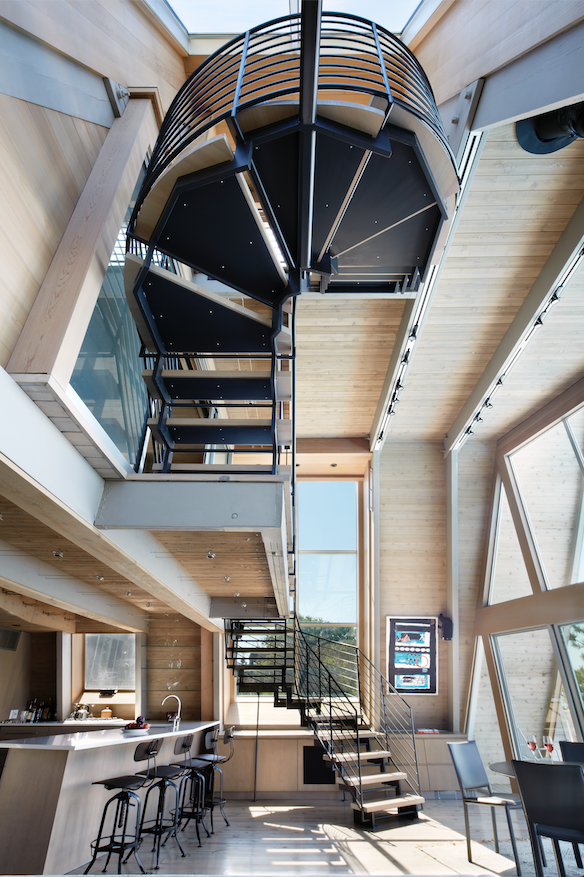
IN A TOP-TO-BOTTOM RENOVATION of a bay-side A-frame home on Fire Island, Bromley Caldari turned a seasoned beach rental into a sleek, modern hide-out. Rethinking the iconic 1960s A-frame form, architects R. Scott Bromley and Jerry Caldari broke through the envelope of the building to weave a sculptural staircase through the airy three-story structure. Working with local builder Walter Boss, the team made preserving the surrounding natural habitat and pristine views a priority.


photos by Mikiko Kikuyama


The A-Frame home had a spiral staircase that split the center of the home; four cramped, dark bedrooms; a leaky roof; and a cracked pile foundation. It was not the beautifully designed vacation home that is so often associated with Fire Island Pines. However, the architects, builders, and clients saw the potential, and the poolside sunsets over the Great South Bay were spectacular.

Blocking that great view and occupying the heart of the house was the old, six-foot-diameter steel spiral staircase. The clients were willing to sacrifice a bedroom or two to remove that remnant.


photos by Mikiko Kikuyama


With the lot coverage at its limit, Bromley and Caldari took advantage of a local law that permits bay windows to project a maximum of two feet from the building envelope. The new stair would tuck into two large bay windows staggered at different elevations on each side of the house, with a cat-walk balcony off the master bedroom to connect the two sides. Views of the bay are framed at each elevation.


photos by Mikiko Kikuyama


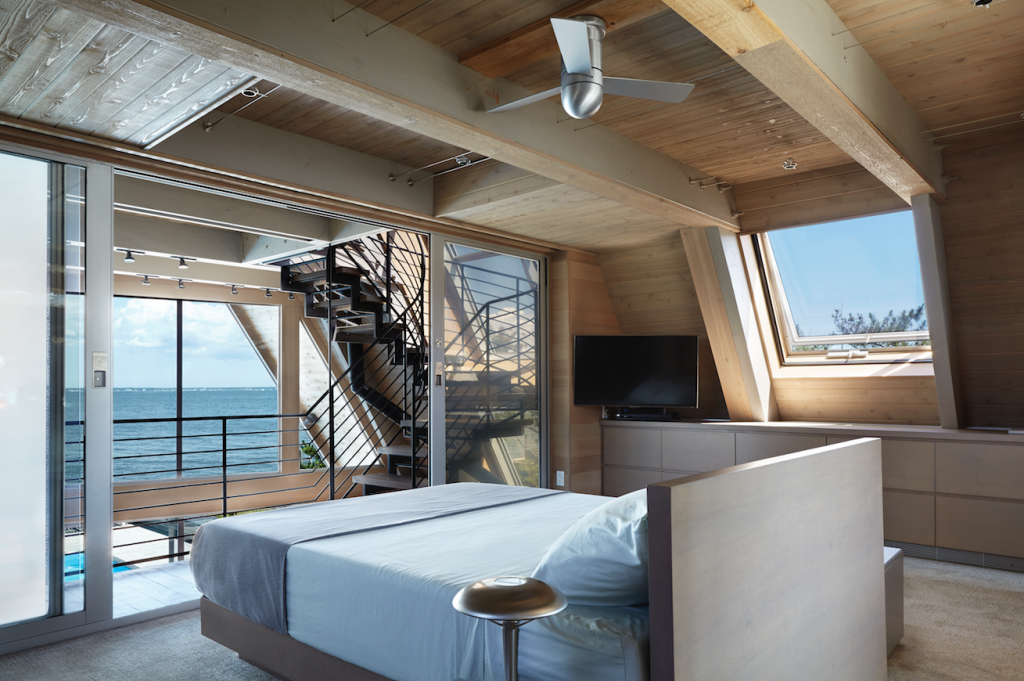
On the main level, of this A – Fram is a double-height living and dining room stretches the length of the window-clad North façade. The open kitchen and house utilities run along the south side. The master bedroom suite has full-height glass sliding doors to take advantage of the view. When privacy is required, the sliding glass doors fog up at the flick of a switch.


photos by Mikiko Kikuyama


Under the peak on the third level is a quiet second bedroom and den, which doubles as a third bedroom when needed. The two rooms are connected by a walkthrough bathroom with a glass shower enclosure on one side and a glass-enclosed powder room on the other. Pocket doors at each end allow for privacy

Categories
Uncategorized

Make Sure You Choose the Ideal Crawl Space Repair Company


If you have a crawl space under your Roanoke home, one thing you must ensure is that it is looked after and properly maintained. If you fail to do this, it could lead to all manner of serious issues around your home, and this could end up causing a lot of costly and stressful problems. If your crawl space becomes damaged, you need to look at professional crawl space repair services to get the issues sorted out. You can also turn to them to provide protection for this space in the form of encapsulation.

Whether you turn to professionals to have repairs completed or for encapsulation and protection, one thing you must do is to ensure you find the ideal company for your needs. While your budget is important when making your choice, making the right decision is about far more than just money if you want to ensure the job is completed to high standards and your crawl space and home are properly protected. In this article, we will offer some tips to help you to find the right provider.

How Can You Make the Decision Easier?

There are lots of ways to make your decision easier when it comes to finding a suitable crawl space repair company. Some of the key points to keep in mind are:

Getting Personal Recommendations

One of the things to consider is whether you can get personal recommendations from people you know and trust. This is an ideal way to find the perfect provider, and it means you can benefit from greater peace of mind as well as the experience of someone you are close to. Of course, you might not know anyone who has had crawl space work carried out at their home, in which case you could turn to platforms such as social media to ask for recommendations from your online friends and acquaintances.

Checking the Experiences of Others

Another thing you need to consider is looking at the experiences of other people, even those you do not personally know. One of the things that you can do is to look at reviews that have been left by other homeowners online, as this can give you more of an idea of the experiences of others who have used the same provider. Make sure you check a range of reviews to get a better idea of what to expect, how reliable the provider is, and what the quality of work is like.

Looking at Expertise Levels

You should also take some time to look at expertise levels, and you can find out a lot of information from the provider’s own website. This includes information such as years in operation, any special accreditations and memberships, and relevant qualifications and certifications. You can even view images of past projects to see what sort of work they have carried out.

By looking at all of these things, you can make a more informed choice when it comes to choosing a suitable provider. 

Categories
Architecture Art Culture Design Featured Lifestyle Living Music NYC Technology

ART AND CRAFT

Eschew the production line and choose a one-of-a-kind piece to tie your room together.

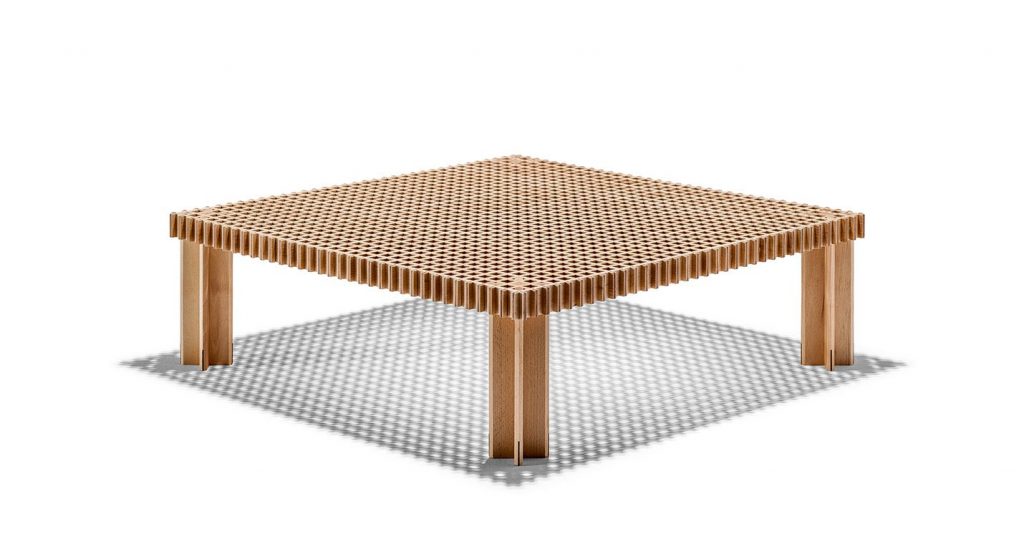
KYOTO TABLE

Poltrona Frau revisits the iconic Kyoto table designed by Gianfranco Frattini in 1974. The elegance of Japanese design blends with the rich and tactile qualities of solid wood. The table is crafted with precision dovetail joints, making the craft part of the decorative appeal. 

poltronafrau.com


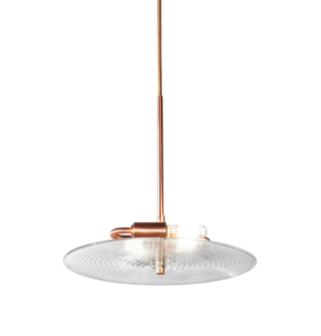
RONDEL PENDANT LIGHT

A simple, yet elegant glass rondel hovers beneath an LED light and copper hardware. This pendant light is also available as a flush mount light or sconce. 

tracygloverstudio.com


HYALINE I RUG

Bec Brittain’s Taxonomy collaboration with Edward Fields continues with designs based on the structures and functions of the natural world. Hyaline I mimics the patterns of insect wings writ large. Brittain continues to re-contextualize the science of taxonomy, not as limiting or separating force, but as a means of revelation. 

edwardfields.com


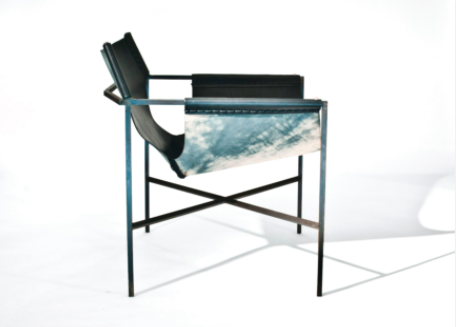
CLUB CHAIR

Taylor Forrest designs and produces his furniture in New York. The Club Chair is crafted with vegetable-tanned saddle leather. The sling is fixed to a solid metal frame with an oversized saddle stitch. Hammered brass rivets on the armrests add contrast while keeping the leather in place. 

taylorforrest.com


JEFFERSON LAMP

Lodes introduces a crystal suspension lamp designed by Venetian designer Luca Nichetto in honor of the brand’s 70th anniversary. Jefferson uses a reinterpretation of the vortex pattern of Bohemian glass, which casts a swirling play of light. 

blightingcollection.com


EASY PEASY

Adds quirky portable style to any room. The rechargeable table lamps from Lodes have a metal base that houses an LED light, and a methacrylate diffuser wrapped by a glass bell. A solid knob functions as a dimmer, and also allows users to control the intensity and warmth of the light.

jblightingcollection.com


TOSS CUSHIONS

From Marimor Objects are ultra-soft and feature contrasting colors and textures, adding a punch of personality and playfulness. Toss is available in five color combinations and two shapes, lending itself to a range of aesthetics and color schemes.

marrimor.com


FACTORY FLOOR photography by Antoine Bootz

RALPH PUCCI INTERNATIONAL introduced a new concept in their Chelsea flagship location, last year. The (factory) collection includes work by Patrick Naggar, Paul Mathieu, Vladimir Kagan, John Koga, and Olivier Gagnere, as well as new exhibits. Many of the works are produced entirely in Pucci’s 18th Street workshop, using techniques and materials born out of the company’s history and experience producing mannequins.

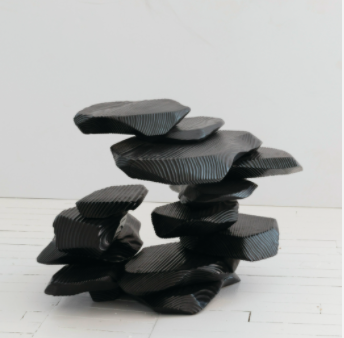
Currently, the floor also houses the large-scale, sculptural wood designs of Stefan Bishop (Orka side table, above) and light sculptures created by Ana Meier and Hervé Descottes for Richard Meier Light (below).

Bishop creates organic forms inspired by the iconic redwoods of his home in Oregon. He works in wood, bronze, and steel, and his pieces beg you to touch them and appreciate the tactile textures that evoke tree bark smoothed and shaped by the elements.

Currently, the floor also houses the large-scale, sculptural wood designs of Stefan Bishop (Orka side table, above) and light sculptures created by Ana Meier and Hervé Descottes for Richard Meier Light (below).

Bishop creates organic forms inspired by the iconic redwoods of his home in Oregon. He works in wood, bronze, and steel, and his pieces beg you to touch them and appreciate the tactile textures that evoke tree bark smoothed and shaped by the elements.

In a limited-edition collection that explores light, color, shape, and shadow, the light sculptures of Meier and Descottes are inspired by the architectural shape of a construction I-beam. ralphpucci.com

Categories
Real Estate

Why You Must Avoid Letting Foundation Problems Get Worse


The foundation of your home is crucial to the stability of the structure, which is something that most of us are aware of. At the same time, most of us rarely give a second thought to the foundation of our homes because we never expect anything to go wrong with it. In addition, it is not something that we physically see, which is why we tend to put it out of our minds. However, damage to the foundation can occur for a range of reasons, and the repercussions can be serious.

If you do believe your foundation is damaged, it is important that you do not let these problems get worse and that you get the damage assessed as soon as you can by a foundation repair specialist. While you cannot see the foundation itself, there are some signs that you can look out for as they may suggest there is foundation damage. Some of these include cracks appearing in floors and walls, areas of the floor sinking, walls beginning to bow or bulge, and windows and doors around the home getting stuck all the time.

The Impact of Foundation Damage that Is Not Repaired

In the event you do not take action to have foundation damage at your home repaired, a range of problems can arise. Some of the effects of foundation damage include:

Creating Dangers Around Your Home

One of the problems that can occur as a result of damage to the foundation of your home is that it can create dangers around your property. All sorts of hazards can arise from unaddressed foundation problems, and these can put your household and any visitors to your home at risk. Some of the problems that can create dangers are uneven floor surfaces and weakened walls from cracks and movement. In addition, sticking doors and windows can also increase the risk of injury to those trying to open and close them.  

Affecting the Appearance of Your Property

Another thing that foundation damage can result in is a negative impact on the appearance of your home. We all want to inject aesthetic appeal into our properties and ensure they look attractive both inside and out. However, when you have cracked walls and uneven floors, this can leave your property looking in bad condition. These issues can have a serious effect on the aesthetics of your home in many ways.

Lowering the Value of Your Home

Another key thing to keep in mind is that foundation problems can have a serious impact on the value of your home. The fact that there are foundation issues that have not been rectified could have a huge negative impact on your property value as well as on salability. In addition, the effects of foundation damage such as sunken floors and cracked walls could further negatively impact your property value and your ability to sell your home.

These are among the many reasons why it is important to ensure any foundation problems are not left unaddressed. 


Categories
Design Featured NYC

Global Glamour


WHEN IT COMES TO INTERIORS

Designer Noha Hassan has a gift for zeroing in on the unexpected, perhaps influenced by her globe-trotting past. Hassan’s life has taken her around the world: born in Egypt, she lived in both Cairo and Brussels during her studies, and then Jeddah, Luxembourg, and finally London, before she settled in New York City. Despite her now decade-long calling in the interiors world, Hassan also spent more than eight years working in finance at firms including Goldman Sachs and JP Morgan in London among other business ventures. She regularly calls on her life experience to bring a personal element to her design, making her work unique, and uniquely hers.

Photography by Matthew Scrivens
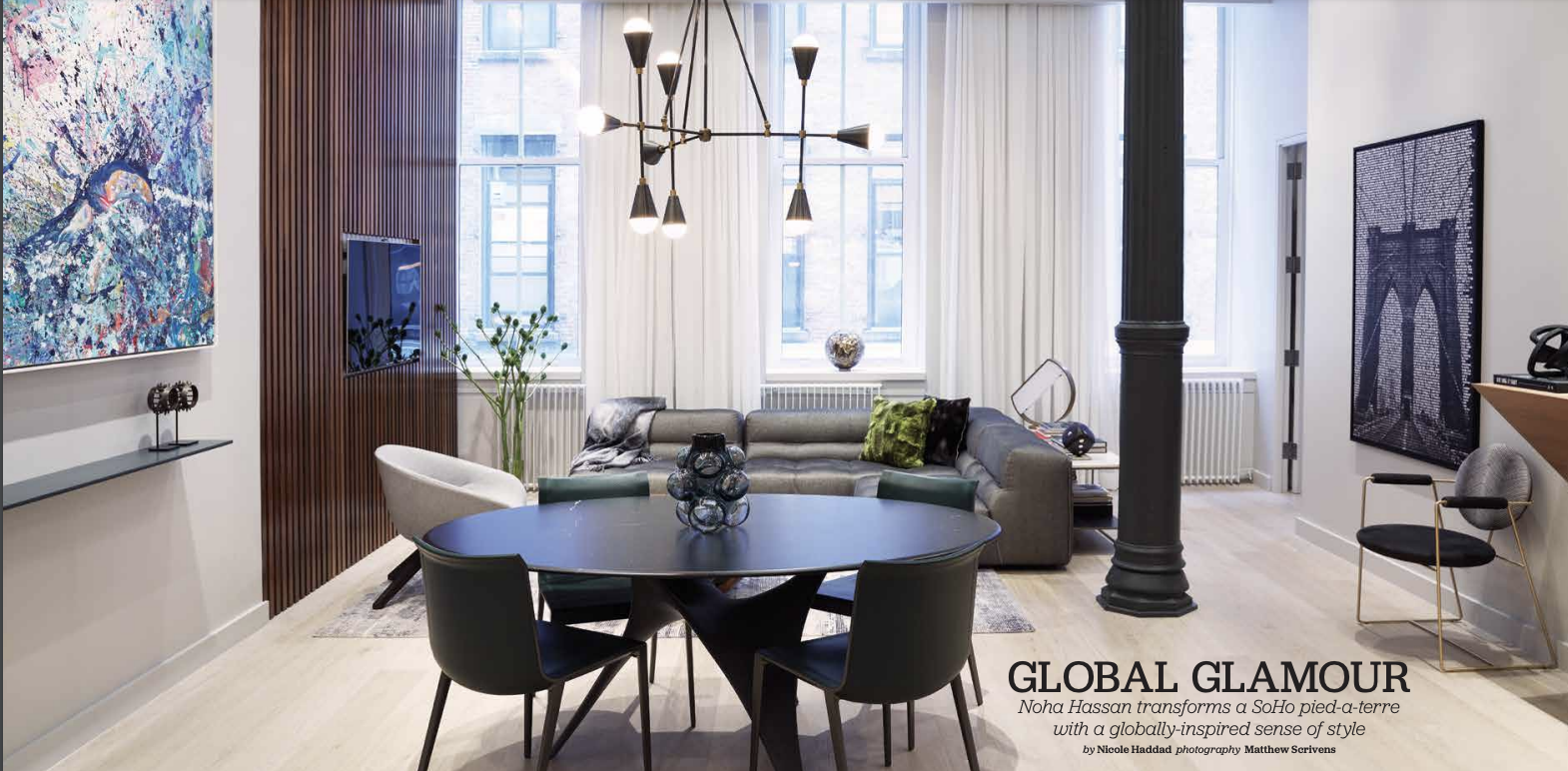
LIGHT AND AIRY: Hassan brought in furnishings designed to enhance the expansive feeling rendered by the high ceilings, letting the linear wall slats and handsome columns draw the eye upwards.
Photography by Matthew Scrivens
“Lighting should serve as functional art: architectural and industrial.”

Her worldly past is fascinating and unusual to say the least, and helps give context to her intuitive approach to interiors. Hassan’s seeming effortless touch yields a global aesthetic, and feels natural and layered. Case in point: When Hassan was tapped to renovate a 1,450 square-foot pied-a-terre in SoHo, she brought a new perspective to the project.

In a stroke of luck, the one-bedroom, plus den and open-plan living and dining area already contained distinctive cast-iron support posts original to space. “Fortunately, the developer did not cover them in sheetrock as he did the other units in the building,” says Hassan. “They add the industrial drama typical of original SoHo lofts.” Working around them to create a cohesive unit that enhanced their presence, Hassan and the client’s husband took charge of the space. Since the wife was working on the renovation of their primary residence, Hassan was given full permission to bring a masculine, bachelor pad-flair to the project.

In the open-plan living and dining area, a minimalist yet warm aesthetic pervades the space. Every item is perfectly placed to add both interest and function. In the dining area, the sculptural base of the Foster & Partner’s Arc table for Molteni enhances the simple beauty of the matte Marquina marble top, while the Triad 9 pendant from Apparatus adds an element of surprise. “The New York-based lighting studio is inspired by vintage pieces but gives them a new twist—I love the industrial look it lends to space as the theme of the apartment is masculine, industrial,” says Hassan. “Lighting should serve as functional art: architectural and industrial.”

Light leather Charlotte chairs by Antonio Citterio for B&B Italia bring comfort and counteract the dense nature of the table. To the left, a painting from the clients’ art collection adds a pop of color and sits across from a monochromatic work by Ralph Ueltzhoefer that depicts the Brooklyn Bridge. The piece not only reflects the clients’ love of iconic New York but showcases the artist’s process—Ueltzhoefer layered the work in words describing his concept.

To the right of the Brooklyn Bridge artwork, Hassan satisfied the husband’s request to have additional desk space. The designer added a Segreto floating desk by Ron Gilad, calling it “the most concealed way to add a working area to the living room.” The contemporary Italian desk adds an architectural element that is enhanced by well-placed accessories. The Gemma chair adds the perfect touch, with a black-and-white upholstered back juxtaposed with a black fabric seat and brass body. Overhead, a round mirror reflects the various elements in the space and adds a feeling of expansiveness.

In the living room, Hassan elaborated on the notion of creating an artful and livable home. Gone is the cookie-cutter TV wall, or the expected built-in bookcase meant to hide the television. Instead, Hassan created an intriguing custom wood wall made of various walnut slats that also serves to create a clear separation between the living and dining areas. “I am always inspired by the restaurants and boutique hotels that use 3D wall effects that add depth and dimension,” says Hassan. “I didn’t want all the wall character to come from wallpaper,” she explains, referencing the den’s gorgeous vinyl Phillip Jeffries wallpaper.

Forming the focal point between the sofa and the striking wall, a one-of-a-kind, handcrafted Spotted Sugar Pine coffee table made by artist Dan Pollack sits over a striated textural rug from Stark Carpet. A modular sofa by Patricia Urquiola for B&B Italia is upholstered in an eye-catching fabric that exhibits a beautiful sheen. A complimentary cashmere throw and a green fur pillow from Barneys add comfort and draw attention to the hardware and resin sculpture sitting in the window. Behind the sofa, a narrow bronze table holds a Dice sculpture from Mantiques Modern and a geometric table lamp from Arteriors. For added seating, Hassan included an attractive white swivel lounge chair.

“I wanted to design a contemporary-meets-industrial space: clean-lined, monochromatic, but with a strong use of metals and woods,” says Hassan. The space, and everything in it emphasizes versatility, and singularity, and reflects the lifestyle of her clients. DT