Categories
Culture Featured Music NYC

NYC’s Lesley Barth Hits The Sweet Spot With “Big Time Baby”

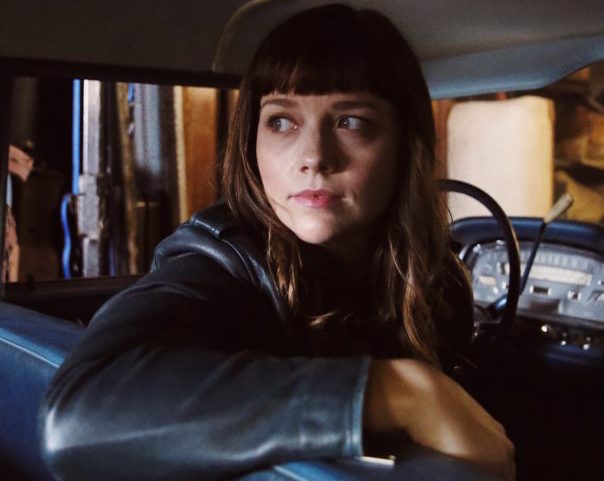
Lesley Barth has often wrestled with a sense of feeling like an outsider in her own life. The questions arising around the key to happiness; a sense of identity that deems outside validation unnecessary; the corporate grind. What is it all for, in the end? Barth’s hunger for a meaningful, mindful existence has resulted in her stellar sophomore album, Big Time Baby, all with a feminine 70s-pop sheen reminiscent of Jenny Lewis. Drawing frequent comparisons to songwriting greats such as Joni Mitchell, Carole King, and Fleetwood Mac, with a commanding and singular voice reminiscent of Natalie Merchant, Barth shapes these influences into a mixture of confessional songwriting, poetry, and wry observations about human nature. Big Time Baby is an album about feeling isolated, wearing masks, failing, rebuilding yourself, questioning societal norms, and the quicksand that is our modern non-stop notifications, performance-driven, social-media-optimized life.

“I learned that you can’t perform your life and live your life at the same time,” says Barth.  “There are moments where performing is what’s required.  But if we don’t take the mask off from time to time and connect to who we really are, I can tell you from experience that one day you will wake up and not recognize who you are and the life you’ve built for yourself.  I hope this album gives people hope that, no matter how uncomfortable or out of place they feel in their life, they can change it by finding the courage to take off the mask and really get to know who they are underneath.”


Photo: Harish Pathak

Barth paired her artistry with Philadelphia producer Joe Michelini (American Trappist, River City Extension).  The resulting three singles, all tinged with that 70s songwriter groove, speak to various stages of the process of redefining her life.  Woman Looking Back at Me, a disco-flavored tune, seeks to understand negative self-talk and distance Barth from the critical voice in her head.  The neon-cowboy-hued Nashville tries to understand better the internal demons that keep us away from the lives we want, and the catchy and empowering You Gotta Hand it to the Man is an indictment of the ubiquity of a patriarchal society and capitalism gone awry, with accompanying video criticizing the precariousness of the American health care system: “Almost all the savings I had for quitting my job got wiped away by healthcare costs, and I had to scramble.”

Lower East Side sees Barth immediately admitting to failure and a sense of unreadiness for the journey ahead.

“Making this album has been a rejection of the concept of ‘big time’ and ‘small time;’ living for other people’s validation is what got me into the whole mess of a life that felt foreign to me, so I wanted this album to be a declaration of who I am,” says Barth. She penned the album as her life became uprooted, and recorded it as she navigated the uncertainty of the structure of the gig economy.

“It’s an album for these uncertain times where many people feel their lives have been stripped to the bone, they’ve woken up from a daydream, and they weren’t sure what tomorrow would bring because that’s where I felt I was when I wrote it,” says Barth.

Sign o’ the times. Enjoy Big Time Baby.

KVASIR Unleashes A “STATE” of New York During The Era Of Covid-19

Flooded With Memories: They Might Be Giants Celebrates Thirty Years of Flood

The Brilliance Shines Brightly At Rockwood Hall
Album of the Year: Civilian by Frank Tovey

Clan of Xymox Materializes At Le Poisson Rouge

Categories
Music

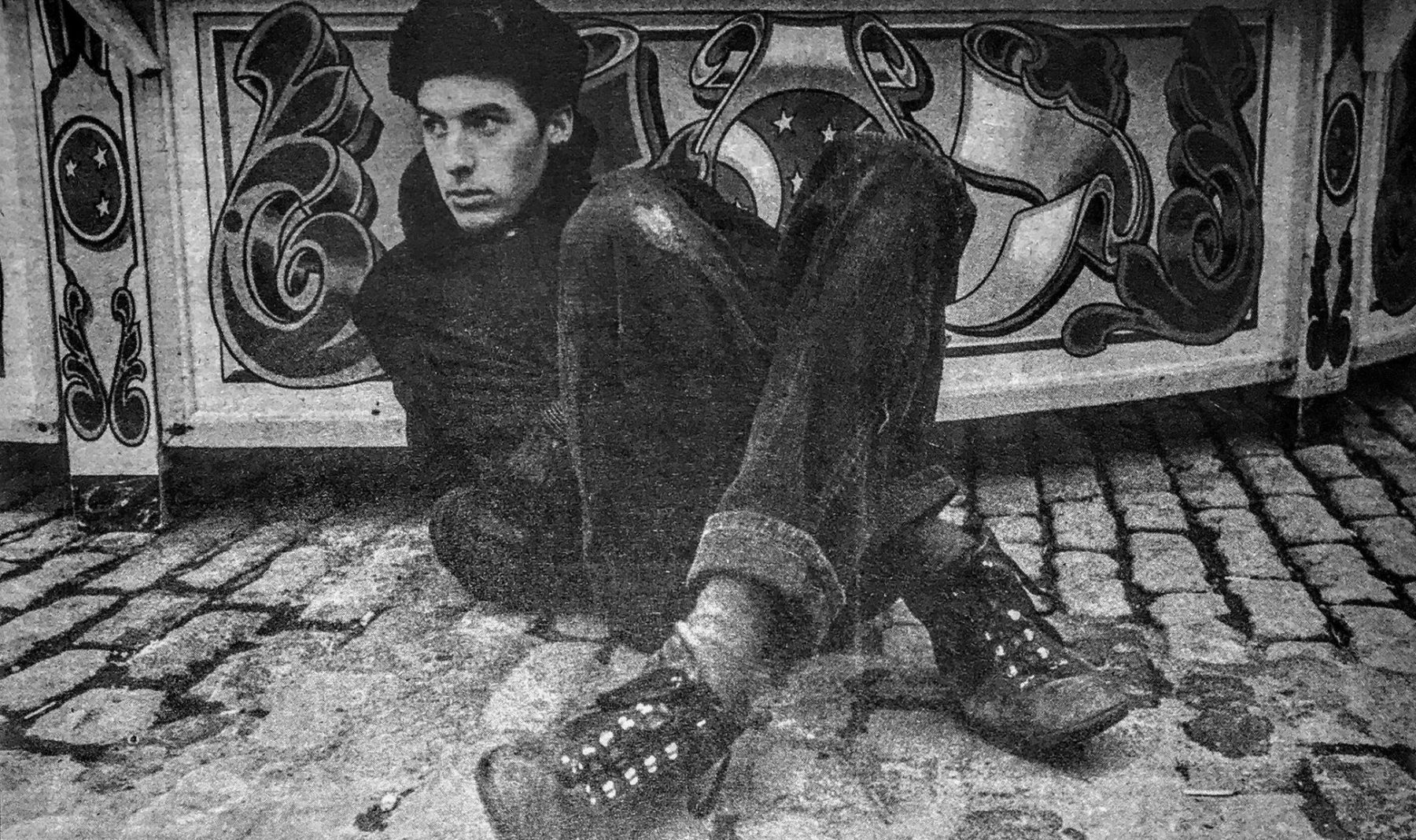
Album of the Year: Civilian By Frank Tovey

2019 has been all so overwhelming, hasn’t it? Being trapped in this infinity loop of crisis and pundits, all at our fingertips? We mindlessly scroll through the drone of Facebook, greedily lapping up salacious headlines and fretting over our future. Is anything changing for the better? Has the ennui always existed? Humanity loves believing in a simpler past. The deluge of programming and movies rebooting old material and old scripts is played out so heavily now one wonders if innovation is allowed anymore, or if we’re just going to keep pacifying ourselves with cozy familiarity. The 1980s seem as much of a utopia now as the 1960s did when The Wonder Years premiered in 1988.

Frank Tovey saw right through the excess, saccharine and glamour of the Reagan/Thatcher era, and, much like the soothsayer of Julius Caesar, went ignored by the masses. There was no room for nostalgia here.

Fad Gadget, photo by Florence Doorgeest

Frank Tovey’s proto-industrial band Fad Gadget, the first signed to Mute Records, boldly steered electronic music into the realm of industrial sound. Eschewing the stationary, robotic playing of his early synthwave contemporaries, Tovey shocked audiences with intense art performances: ripping out body hair, crowd surfing, being tarred and feathered, climbing rafters with a microphone stuffed in his mouth, often seriously harming himself with head gashes, black eyes and snapped tendons.

Fad Gadget albums were an eclectic mix of electric drills, drumming, Orff-inspired vocal arrangements, musique concrete, and shrieks. Tovey’s message and notorious reputation clearly threatened the suits; his lyric material found more sympathetic bedfellows with The Pogues, the Kinks, and Billy Bragg, by way of Einstürzende Neubauten and Iggy Pop. Tovey’s message was highly confrontational, bitterly anti-commercial, and deeply vulnerable. As most pop stars crooned about romantic love spats, Tovey operated on a different plane: warning humanity of the dangers of late capitalism.

Photo by Anton Corbijn

Despite never making Top of the Pops, Frank Tovey still wielded tremendous influence in the UK and West Germany. A fledgling Depeche Mode were entranced by his early performances, and signed to Mute soon after. The entire industrial genre owes him a tip of the hat, with artists like Skinny Puppy, NIN, and Marilyn Manson snatching the relay baton.

By the late 80s, however, Tovey pulled an about-face with his sound. He tucked the chaotic Fad Gadget in bed for a long nap, picked up an acoustic guitar, and penned brand new protest folk as Frank Tovey. After 1986’s Snakes and Ladders, which retained many sonic elements of Fad Gadget, and a side project called MKultra, he released the extraordinary Civilian in 1988.

The sonic switch confused his fans, the press and even his own label, but his fundamental message remained. The irony was, Tovey had always been a folk musician, albeit one with a synthesizer. His lyrics delved into humanity, the human experience, and the Everyman existing in a technologically-fueled fascism. Much like Bowie, Tovey found inspiration from various collaborators.

“It was never about transitioning from electro to folk with Frank,” says John Cutliffe of The Pyros, with whom Tovey would collaborate on his final albums. “It was about songs and sound and the musicians he surrounded himself with. His influences had always been eclectic, and his love of manipulating sounds electronically inspired so many, but that is also what we were doing with the more traditional folk and rock instruments. We would push the limits of what they could do and play…Frank didn’t care if it was a banjo or a synth. The song mattered, and the layers of sound we could use to draw out the emotion of the song was the only thing that was relevant.”

Over thirty years later, Civilian remains as prescient as ever as it slips into 42-minute slow motion tumble of Western civilization’s house of cards. This was not a world Tovey wanted for his beloved children.

Civilian is a hypnotic channeling of rage at corporate greed and corruption. The album opens with New Jerusalem, a screeching cacophony of crowd chants and a droning, nightmarish recounting of a fascist police state and street violence. It is a bleak, paranoid scene of innocents falling victim to the militaristic whims of “big enterprise.”

Ultramarine bitterly attacks the Hollywood glorification of the American military complex:

Liberation comes

In jeans and Coca-Cola

Liberty this bullet’s

Got your name on it

You make the films

And you’re making history

Napalm burger bars

Popcorn victory

Tovey darkly closes Ultramarine with his own Wonder Years-style monologue, recounting a childhood memory of watching a Buddhist monk die by self-immolation on live television. So much for the veil of nostalgia.

From The City To The Isle of Dogs examines the gentrification of London neighborhoods already present by 1988, the continuing erasure of local culture, and the demise of the middle class. The jaunty banjo number Bridge Street Shuffle wryly predicts the horrific spectacle of human suffering via reality television.

I’ve got two tickets, front row seats
For the riverside
We can take a picnic
And watch the suicides

The Brotherhood lambasts the corrupt patriarchal power of fraternal societies. Diana echoes the wrenching pleas of infidelity forgiveness. Unknown Civilian explores the post-war home front, and the silent suffering of shell-shocked veterans.

Civilian as a whole is a horrifying, clairvoyant glimpse at Western society on the precipice of complete breakdown.

In 2002, Frank Tovey’s earnest heart suddenly gave out, and he shuffled off this mortal coil. By then, however, he had already tilled the parched earth for the greedy saplings of a post-9/11 dystopia. Too bad no one heeded his warnings when Civilian was first released, but it deserves a fresh listen. You won’t find a more perfect soundtrack to close out these chaotic 2010s.

Mute Records would be wise to re-release this treasure. It’s time. Fad loves you.

Bridge Street Shuffle:

https://www.youtube.com/watch?v=jRD6ba1JPZo

Ultramarine:

See More

Clan of Xymox Materializes At Le Poisson Rouge

Blake Charleton Keeps It Fresh

Virginia Marcs Goes “Wild” In Stunning New Video

Christine Smith Waits On The Far Side Of A Star

Adrian Sexton Draws The Death Card

Categories
Culture Featured Music

Christine Smith Waits On The Far Side Of A Star

By Alice Teeple

Photos by Alice Teeple

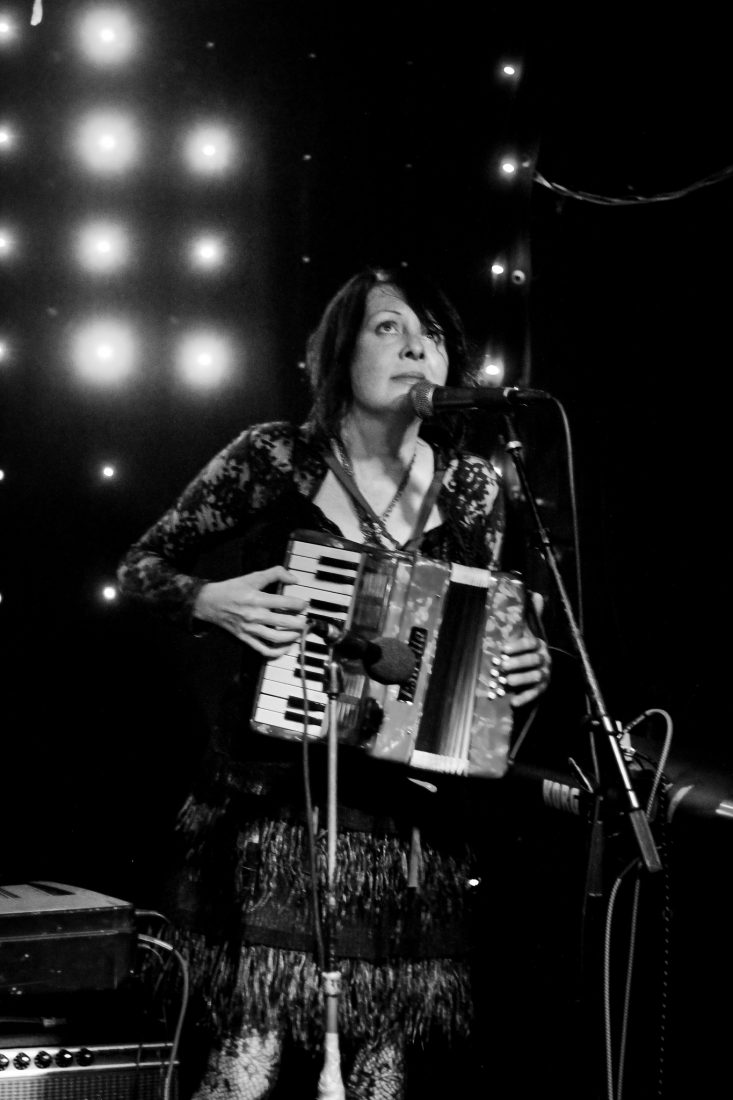
Christine Smith takes a drag from her well-deserved cigarette outside the Bowery Electric. She’s just wrapped a spectacular solo performance for her sophomore album release, Meet Me On The Far Side Of A Star. It’s fitting this album made its debut in the intimate Map Room: its twinkling, celestial backdrop placing Smith in a sort of netherworld somewhere between Weimar Berlin and Major Tom’s shuttle. 

“Oh dear! Looks like I’m molting,” she chuckles, as several wisps of black marabou feathers float from her dress to the sidewalk. She stamps out her smoke, signs a CD for a fan, and warmly greets old friends who came to see the songstress on her former stomping grounds. 

The Bowery is foggy, with a damp chill in the air: the kind of weather that reluctantly welcomes nostalgia and melancholy. This night, Smith served as the ferrywoman, steering the boat with electric piano keys and a small red Spanish accordion, through an emotive display of loss, longing, and regret. Christine Smith treads the line between days gone by and harsh modernity. She ruefully gazes back at the storms of the past with wry observation, hard-fought wisdom, and persistent optimism. She is a seasoned warrior armed with wit, poetic dreams and a delicious glass of red to calm those tides. 

Smith’s seen her fair share of touring and recording over the last twenty years, having played with Crash Test Dummies, Jesse Malin, and Ryan Adams; as well as sharing the stage with Bruce Springsteen, Pogues frontman Shane MacGowan, Lenny Kaye of the Patti Smith Group, and H.R. of Bad Brains. 

With such a punk/rock background, it’s astonishing to hear Smith’s own gentle, conversational voice and classic piano plucked straight out of a 1930s cabaret. It turns out that during her early days living as an ex-pat in London, Smith supported herself playing jazz standards. From there she served as the musical director for Newsrevue (London’s longest-running satire show). 

There are strong elements of the Great American Songbook in this album, but Smith proudly wears her other influences on her sleeve – echoes of Petula Clark here, some Patti Smith there, some Simon LeBon flair, sprinkled with a bit of Angelo Badalamenti and 1950s doo-wop. She is a shining result of her eclectic tastes and influences. Her autobiography will be one hell of an incredible read one day. 

Meet Me On The Far Side Of A Star began as a collaboration with Texas singer-songwriter Victor Camozzi, who shared Smith’s passion for 1930s-40s American classics. A year and some massive life shifts later, Smith’s “achingly beautiful” masterpiece was finished. Meet Me On The Far Side Of A Star is an artistic triumph. Rolling Stone recently praised her track Happily Never After (featuring Tommy Stinson of the Replacements) as a top ten Country/Americana song of 2019. One hopes that Christine Smith keeps exploring her own voice and draws more from her deep well of experience and compassion.  

The album is available for purchase here.

It can also be streamed here:

See More

Adrian Sexton Draws The Death Card

Niabi Aquena of Searmanas Comes to NYC

Lauren Light Unleashes Dark New Single, “Run”

Succumbing To Sophie Kilburn’s Indigo Fever

Categories
Culture Music

Rockstar On The Rise: Luke Elliot

luke elliot

Luke Elliot and his band playing live at the Rockwood Music Hall.

Lower Manhattan is home to some of today’s biggest names in the entertainment industry. DOWNTOWN had the opportunity to learn a bit about the area’s next up and coming star: Luke Elliot. A true downtown dude, Elliot got his start right here in Manhattan’s Lower East Side. His following grew quickly, and culminated in his concert at Rockwood Music Hall on Wednesday, June 25. At 8 p.m. guests filled the two-story hall to listen to Elliot’s folk-rock jam music. Elliot moved the crowd with his soulful voice, accompanied by an enthusiastic band playing catchy piano and guitar chords. The set was a well-balanced combination of upbeat tunes and romantic ballads showcasing Elliot’s style of early rock music influence with shimmers of modern folk and indie rock. His eclectic mix of influences creates unique melodies that truly captivate his audience. By the end of the evening the crowd was begging for an encore. Based on the audience reaction, the night was a hit. Take it from us, you’ll be hearing more of Luke Elliot. Don’t miss the boat — check out Luke Elliot’s EP, Provisions, out now.

– Linda Tell

Provisions

Categories
Culture Music

Old Man Canyon and The Modern Electric at Mercury Lounge

theomdernelectric

The Modern Electric And Old Man Canyon Summer 2014 Tour

Two up-and-coming bands are coming to Lower Manhattan’s Mercury Lounge on June 24.

The Modern Electric will open the show, a four-man cinematic pop band from Cleveland. Critics rave about their captivating melodies, moving acoustic sounds, and catchy hooks. The Modern Electric likes to compare their music to that of The Killers, Delta Spirit, and Spoon.

Old Man Canyon will then take the stage. They have been featured on shows like MTV’s Awkward, Showtime’s Shameless and USA’s series Suits airing on Bravo Canada. Old Man Canyon’s sound can be described as indie folk, with acoustic chords and vocal tones comparable to that of Bon Iver or Mumford and Sons. Front man Jett Pace is hailed for his hearty performances and introspective lyrical themes. The band is certainly not one to miss.

When: Tues., 6/24
Where: Mercury Lounge. 217 E Houston St. New York, NY, 10002
Who: 21 and older only
Visit the event page at Mercury Lounge’s website for more details.

-Linda Tell