Categories
Featured Health Lifestyle NYC Wellness

VT Dogpound’s Head of Training and Development

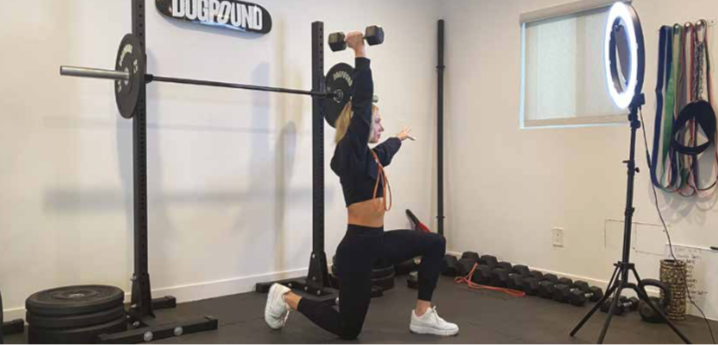
Dogpound trainers run individualized Virtual Personal Training (VPT) via FaceTime, Zoom, Google Hangout, and more.


With the recent pandemic closures, our routines have switched from in-person to virtual. Without our NYC average of 8800 steps per day, our fitness needs to go virtual, too. We reached out to Dogpound’s Head of Training and Development Lala Duncan to get the scoop on their virtual training program.

Downtown Magazine: We see a lot of gyms selling pre-recorded VPT, what is the difference? Lala Duncan: Many gyms and fitness professionals started selling pre-recorded workout programs before the pandemic, given the low cost and ease of access of these programs. That market has grown with COVID.


Clients get to have access to a DP trainer with them whether they are at home, on vacation


Pre-recorded programs are great for people to stay active during uncertain times, but these are workout programs designed to appeal to a wide range of people. They are not designed for any one individual and, after a period of time, clients can become unmotivated and bored because of the lack of accountability or personal attention. Most people who purchase pre-recorded programs end up paying for programs they don’t use.

That is why Dogpound offers individualized VPT based on your goals and available equipment. Clients get to have access to a DP trainer with them whether they are at home, on vacation, or at a quarantine destination (Hawaii and St. Bart’s).


DTM: What does one need to prepare for VPT?

LD: Whether you are a current or new client, we ask each client to answer a short questionnaire about their fitness goals, time commitment and expectations as well as what type of equipment, if any, you have to train with at home. Once we have that information, the trainer can devise a long-term plan to keep their training and on track.


Clients with mild to moderate depression, sleep deprivation, and anxiety

DTM: Are clients staying motivated?

LD: In the beginning, there was the fear of “losing my gains.” People were rushing to buy dumbbells and weights or whatever they could get their hands on just to stay fit, not really knowing how long this would last. After a couple of months, I noticed that there was a slump in motivation with a lot of my clients. I had clients that were suffering from mild to moderate depression, sleep deprivation, and anxiety all brought on by the uncertainty of the pandemic. Some days my sessions would consist of talking and light stretching. Especially for New Yorkers, we were in the thick of it. For some of my clients, our VPT session would be the only interaction they had with anyone all day or week. Our amazing staff of trainers takes this responsibility very seriously. It’s not just about working out; it’s about health, longevity, and ultimately happiness.

“I now see clients more than I did in the actual gym”

DTM: Are clients getting the same results from virtual training?

LD: More, actually. Originally the goal was just to keep people moving and motivated. Now the goal is to keep progressing people forward in their long-term fitness goals. About 3/4 of my clients have set up some kind of home gym, whether it be some dumbbells and kettlebells or full gyms with squat racks and weights. Since we have started the VPT at Dogpound, I now see clients more than I did in the actual gym.

DTM: Do you think VPT here to stay?

LD: Absolutely! As the saying goes, it takes 30 days to create a habit, 60 days to make progress, and 90 days to see results. It’s not going anywhere; Virtual training is truly the new virtual reality.

If you are interested in signing up for virtual sessions with Lala Duncan or other Dogpound trainers, you can contact their NYC location at info@thedogpound.com or their LA location at lainfo@thedogpound.com
Categories
Lifestyle NYC Wellness

CBD vs THC Oil: Navigating the Legal Minefield in States with Marijuana Laws


As the legalization of medical and recreational marijuana expands in many states. Trying to figure out exactly what is and what isn’t legal to use can be difficult. As more research and studies reveal the benefits of medical marijuana products for various health issues, it can leave people in a state of uncertainty. 


Part of the uncertainty comes from the existence of CBD-based products, which can be completely legal for recreational use. CBD, or cannabidiol, is a component that can be derived from the cannabis plant, as can the other major compound from the cannabis plant,  tetrahydrocannabinol (THC).


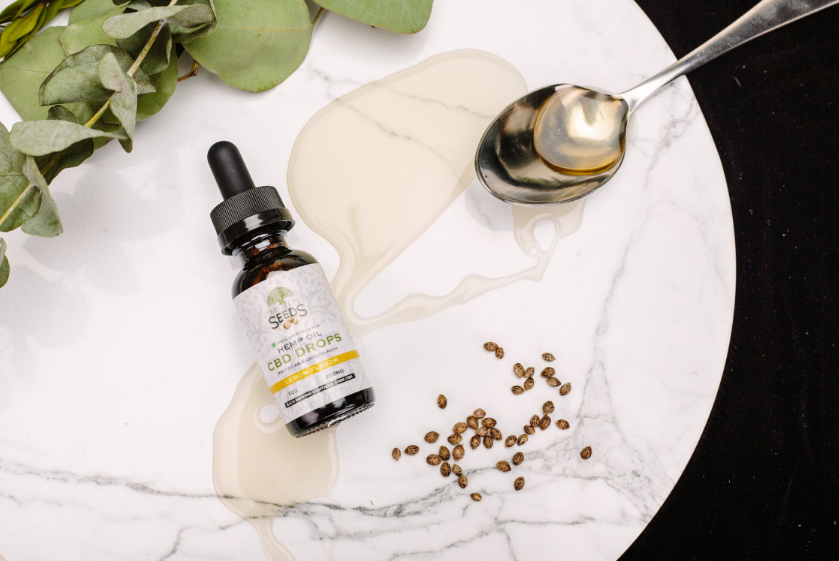
CBD vs THC Oil: Navigating the Legal Minefield in States with Marijuana Laws
Photo by Yash Lucid from Pexels


Here are the important differences between CBD and THC oil so you can make an informed decision when looking for a legal product to try.

Difference #1: THC Is Psychoactive, CBD Is Not

The reason that CBD can be bought even without marijuana legalization is that it contains little to no psychoactive elements, which is what makes you feel high when you smoke typical marijuana. The main component in marijuana that makes you feel high is THC. It’s what binds with the receptors in your brain and can cause a sense of relaxation, euphoria, and so on.

CBD, however, has an extremely weak ability to bind to the same areas of the brain in that way. However, it does still offer much of the same benefits for treating health issues like nausea, chronic pain, and so on. 

Difference #2: THC Is Illegal or Regulated, CBD Is Not

THC being psychoactive is the main reason that marijuana and any product with THC, is illegal, or at least regulated, by all state governments. The lack of any significant psychoactive elements is also why CBD products are far less regulated.


In fact, CBD can be derived from hemp rather than marijuana. Such products are completely legal to buy and sell for any reason under the 2014 Farm Bill. However, CBD oil derived from the cannabis plant may still be regulated and is also typically much more effective for medical use. In some states like Arizona, you may still be required to obtain a medical card and or in Arizona you may be limited to purchasing CBD oil from a dispensary such as Harvest of Scottsdale.

As the legalization of medical and recreational marijuana expands in many states, so do the options for obtaining a medical marijuana card.

Difference #3: Medical Benefits Will Vary

While CBD can help with a number of the same health conditions as THC, there are still some differences that matter depending on your specific issues. For example, CBD has been proven to help with the following conditions:

  • Seizures
  • Inflammation
  • Acute and chronic pain
  • Psychosis, PTSD, and other mental disorders
  • Nausea
  • Migraines
  • Depression and anxiety

THC, on the other hand, can actually make symptoms of mental disorders, depression and anxiety worse rather than better when taken in larger doses. However, THC can also help with muscle spasticity, glaucoma, insomnia, and low appetite on its own or caused by things like cancer.

In the end, while CBD and THC oils are both significant compounds that can be found and extracted from the cannabis plant, there are important differences to be aware of. THC is the component that makes you high and can treat some health issues that CBD cannot.

CBD might not be psychoactive and is less regulated as a result, but might not be as effective in treating your health condition. Make sure you know the differences.