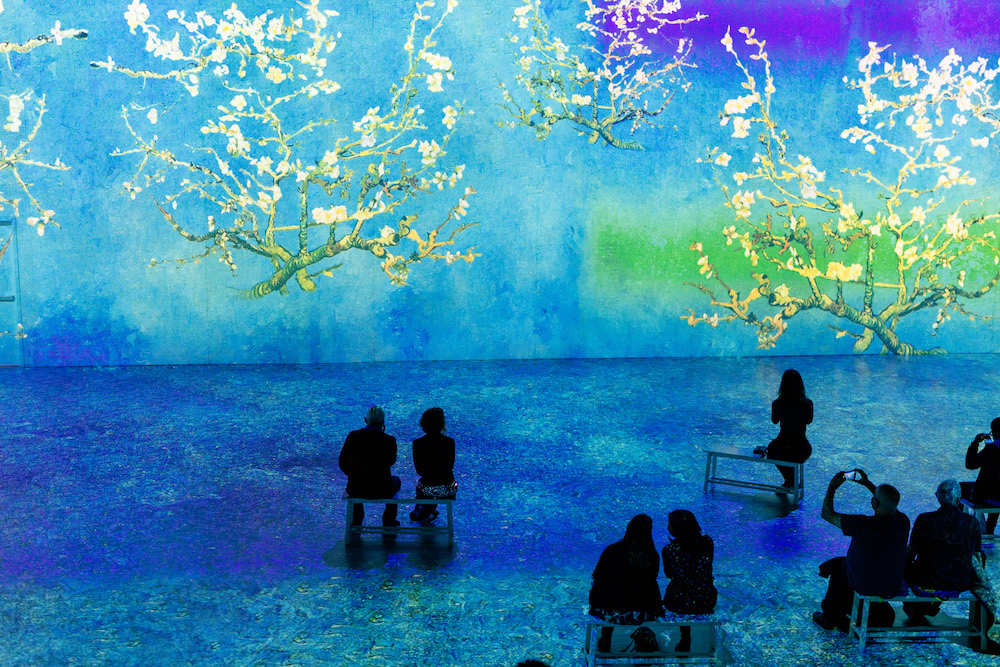
Due to popular demand, Immersive Van Gogh at Pier 36 has been extended.
Immersive Van Gogh at Pier 36 on Vesey Street, has been extended through April 2022. Photo by Liz Devine.
Due to popular demand, Immersive Van Gogh at Pier 36 on Vesey Street, has been extended through April 2022.
It was seen by 800,000 visitors during its New York City premiere in the summer of 2021, before closing to make way for previously scheduled events at Pier 36. More than 3.5 million tickets have been sold to Immersive Van Gogh since its North American premiere in July 2020, making it one of the most popular attractions in North America.
Immersive Van Gogh invites audiences to “step inside” the iconic works of Van Gogh, evoking his highly emotional and chaotic inner consciousness through art, light, music, movement and imagination. The gallery space offers patrons more than 500,000 cubic feet of animated projections. Immersive Van Gogh was designed by Creator Massimiliano Siccardi, with original, mood-setting music, both original and curated, by Italian multimedia Composer Luca Longobardi, who provided a score that combines experimental electronic music with pure, ethereal and melodic orchestral pieces. Vittorio Guidotti is the Art Director.
Creative Director David Korins, award-winning designer of Broadway hits including Hamilton and Dear Evan Hansen, created a custom design to fit the architecture of the exhibition’s New York home, adding innovative design elements to the Pier 36 experience.
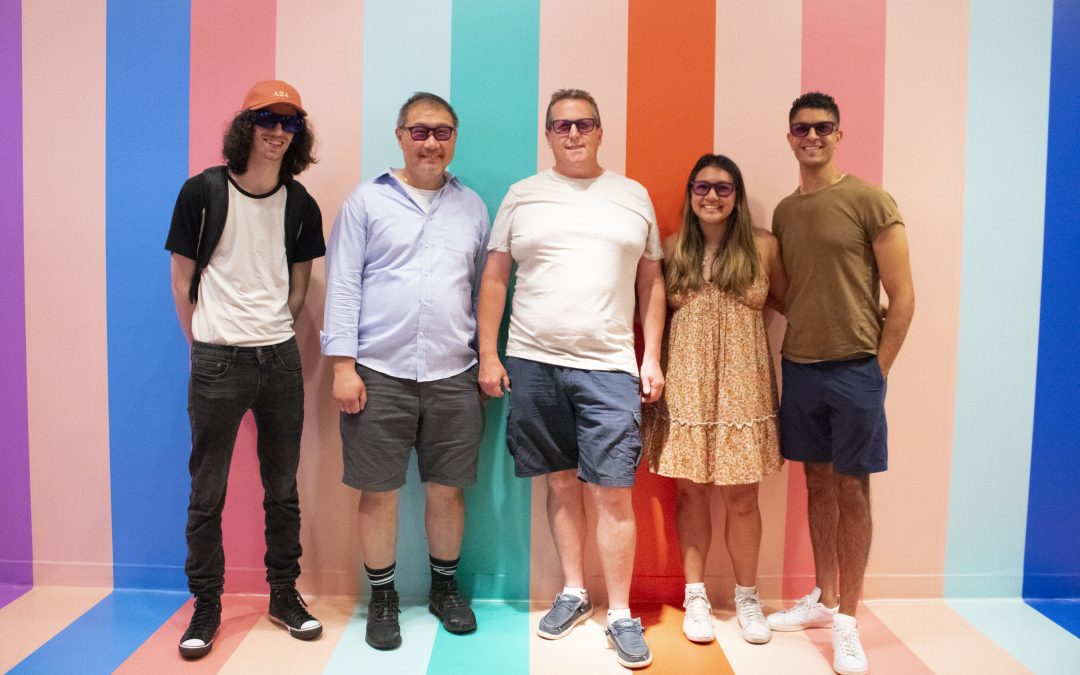
On June 26, EnChroma, a lead manufacturer of glasses for those who are colorblind, teamed up with Eataly Downtown for a fun and colorful event. At this event, five color-blind New Yorkers experienced viewing color for the first time. La Pizza & La Pasta A Colori, a restaurant created by the Color Factory and Eataly, provided colorful arrangements of food including wines and cheeses to add to this colorful experience. Some of A Colori’s proceeds will be donated to EnChroma’s Color Accessibility Program. This program donates EnChroma glasses to libraries in New York for color-blind guests.
Expectations of EnChroma Glasses
Many of the guests had mentioned that being color blind makes their classes school or their job more difficult. Steve Brandon, a college student, explained that classes like “Geology in college was definitely a bad experience. Distinguishing the colors of rocks for exams and assignments would always be extremely difficult and I never did too well in the class.”
Also, participants described having difficulty playing certain color based games, being creative, and picking out outfits. Dr. Samuel Fam, a family medicine physician, explained that he loved to draw as a child “but once color blending became a more advanced skill I shied away from being creative because I couldn’t match shades in natural ways.” The participants hoped that the glasses would make them feel more confident and able to relate to the beauty of color that the rest of the community so easily experiences.
Thoughts on EnChroma Glasses
The participants adored the EnChroma Glasses! Bob Brown, NYC firefighter and police officer, explained that “the colors [were] just dancing…[the world] is popping with color!” The participants agreed that the glasses do indeed make a huge difference. Peter Fong, a software engineer, exclaimed that this was “a life changing experience.” Delaney Scheidell, a high school student, explained that she’s “excited to go home and experience a new environment”. Eataly now has a permanent set of EnChroma glasses available at their restaurant for color blind customers.
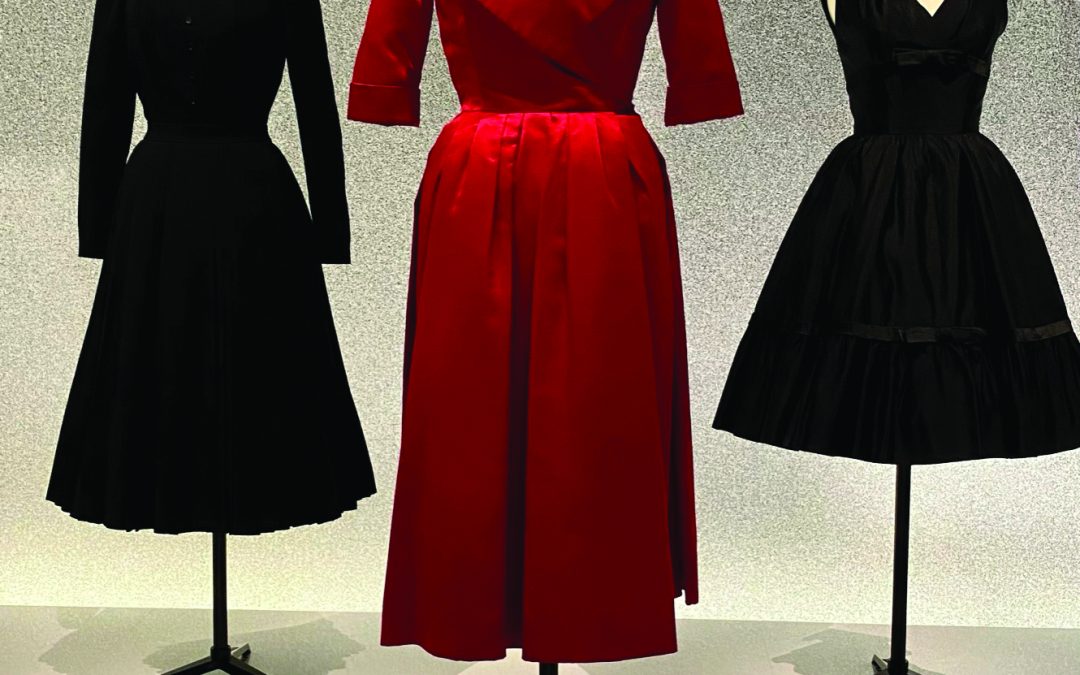
The Brooklyn Museum exhibit Christian Dior: Designer of Dreams features more than 200 of Dior’s haute couture garments.
This exhibit at Brooklyn Museum opens with a timeline of Dior’s legacy, beginning with his early life and later walking through the different designers to take the helm of Dior in the late 20th and early 21st centuries.
Different collections, from the post-World War II era “New Look” to all-black cosmopolitan wear, are highlighted alongside historic texts and images of Christian Dior and his work between both France and New York. Other highlights later in the exhibit include some of Dior’s most elegant ball gowns and evening wear, an all-white display of the studio’s many toiles, or working garments, and a final atrium of floral and nature-inspired designs reminiscent of the elegance of the outdoors.
Christian Dior: Designer of Dreams runs at Brooklyn Museum through February 20, 2022. brooklynmuseum.org
After more than 3 months quarantine due to COVID-19, New Yorkers are now in the reopening phase of their beloved city. It’s a welcome relief for all especially small businesses throughout the city.
Museums like the Moma announced their reopening after a 4-month quarantine, and we could not be happier. New Yorkers are more than excited to go again, but say that they will remain visually concerned about the risk and take the CDC guidelines seriously to avoid exposure.
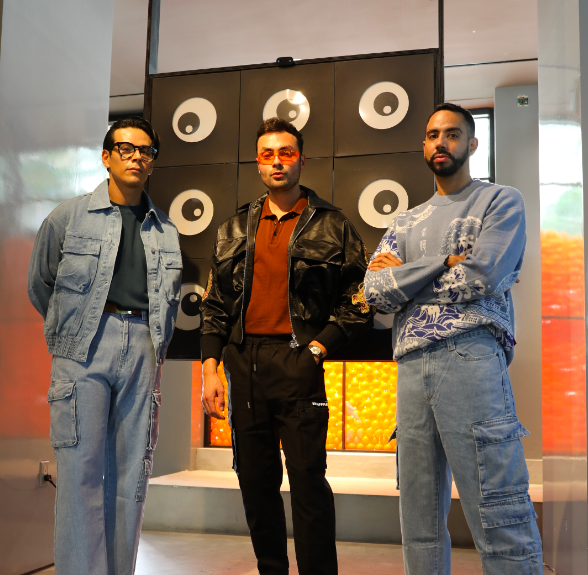
Hot Pot Lab, the newest pop-up, this interactive food-themed pop-up art gallery, will focus on the integration of food and art with interactive installations. This creative concept not only offers visitors the opportunity to explore art but allows visitors to learn about Hot Pot.
When we asked several New Yorkers for their favorite Chinese dish, many said that their favorite is Kung-pao Chicken.”
But in-fact Hot Pot is one of the most popular in Chinese culture. When researching, we found that there is archaeological evidence that shows the earliest hot pots, appeared around the Zhou dynasty. This research and many conversations we had with Chinese people, Hot Pot does appear to be one of the most significant dishes among the Chinese people.
The founders of Hot Pot Lab cleverly created the merging of Hot Pot dining and art installations. The exhibit is around 3,500 sqft, crossing two levels at their location of 57 Bond. Inside you will find more than 15 art scenes in this uniquely designed space.
The experience includes artistic installations, free hot pot and bubble tea coupons, an exclusive gift shop as well as indoor and outdoor photo opportunities.
I really like the Sudoku installation. It is a machine depicting people eating hot pot all at the same table. The founder explains that the eyes of the machine will move to follow the visitor in their personal chamber, as ingredients are served.
My daughter likes the Mochi installation most because she can lean on the giant white cushion and feel the softness and stickiness of the mochi. I think every child will enjoy this type of installation.
When I asked the founders how they will protect each visitor during this difficult time. They gave me an introduction to their opening policy. The Hot Pot Lab will follow both New York and the CDC reopening guidelines, visitors will be required to wear a face-covering when entering the pop-up. Each space will be thoroughly cleaned before and after their guest leave. In addition, throughout the day, all touchpoints will be sanitized immediately after each visit.
There will also be a limit to the number of people on each floor to ensure social distancing.
The Warsaw Ghetto Uprising, where 13,000 Jews died fighting Nazi oppression –
in April and May 1943, it was the largest single act of resistance during the Holocaust. The Uprising was the inspiration for “Zog nit keyn mol” (Yiddish: “Never Say”), known as the “Partisan Song.”
WeAreHere-IG-Timezones
The song, which exemplifies Jewish resistance to Nazi persecution, is inspiring a special virtual event this Sunday, June 14 –
“We Are Here: A Celebration of Resilience, Resistance, and Hope.” The concert – which will be live-streamed at www.wearehere.live – commemorates the 75th anniversary of the end of World War II and the 77th anniversary of the Warsaw Ghetto Uprising, even as it speaks to the challenges of the current moment.
“We are all inspired by the example set in the Warsaw Ghetto Uprising. The Partisan Song, which begins and ends this program, speaks to the fight for social justice and fundamental human rights,” said Bruce Ratner, Chairman of the Board at the Museum of Jewish Heritage – A Living Memorial to the Holocaust.
And they’ve enlisted a robust array of renowned actors, musicians, and civic leaders to participate. Among them is a four-time Grammy Award and National Medal of Arts-winner, star soprano Renée Fleming, who will perform the world premiere of a new work by Pulitzer Prize-winning composer John Corigliano based on a text by Kitty O’Meara.
Among the others participating are EGOT-winner Whoopi Goldberg –
Grammy Hall of Famer and Tony-winner Billy Joel, world-renowned pianist Lang Lang; the iconic Dr. Ruth Westheimer, Emmy- and Tony-nominated actress Lauren Ambrose, multi-platinum, Tony-winning Broadway star Lea Salonga, multi-Grammy-winning opera star Joyce DiDonato, and award-winning actress Mayim Bialik.
“Both the recent COVID-19 pandemic and the centuries-old pandemics of racism and antisemitism highlight the need for resistance and resilience,” Sing for Hope Co-Founder Camille Zamora said. Added Sing for Hope Co-Founder Monica Yunus, “As we seek to listen, learn from, and serve our communities in the days ahead, thoughtful organizational partnerships will be key. It is an honor to unite artists and stand together as allies with a global network that fosters resilience, resistance, and hope.”
National Yiddish Theatre Artistic Director Zalmen Mlotek –
and Executive Director Dominick Balletta noted that “In this time of rising antisemitism and global crisis, the themes of resistance, resilience, and hope are more important than ever, and the Partisan Song takes on even more resonance. The song begins with the words ‘Never say this is the final road for you,’ and ends with the words ‘We Are Here.’ It is the song that binds together those who fight for justice.”
The program also will feature an interview by The Forward Editor-in-Chief Jodi Rudoren with Nancy Spielberg, Roberta Grossman, and Sam Kassow about their film Who Will Write Our History, which chronicles the story of Oneg Shabbat, the group that daringly preserved the history of the Warsaw Ghetto.
You can view the list of all participants here. Local viewing times include 11 AM Pacific Time, 2 PM Eastern Time, 7 PM London, and 9 PM Israel.
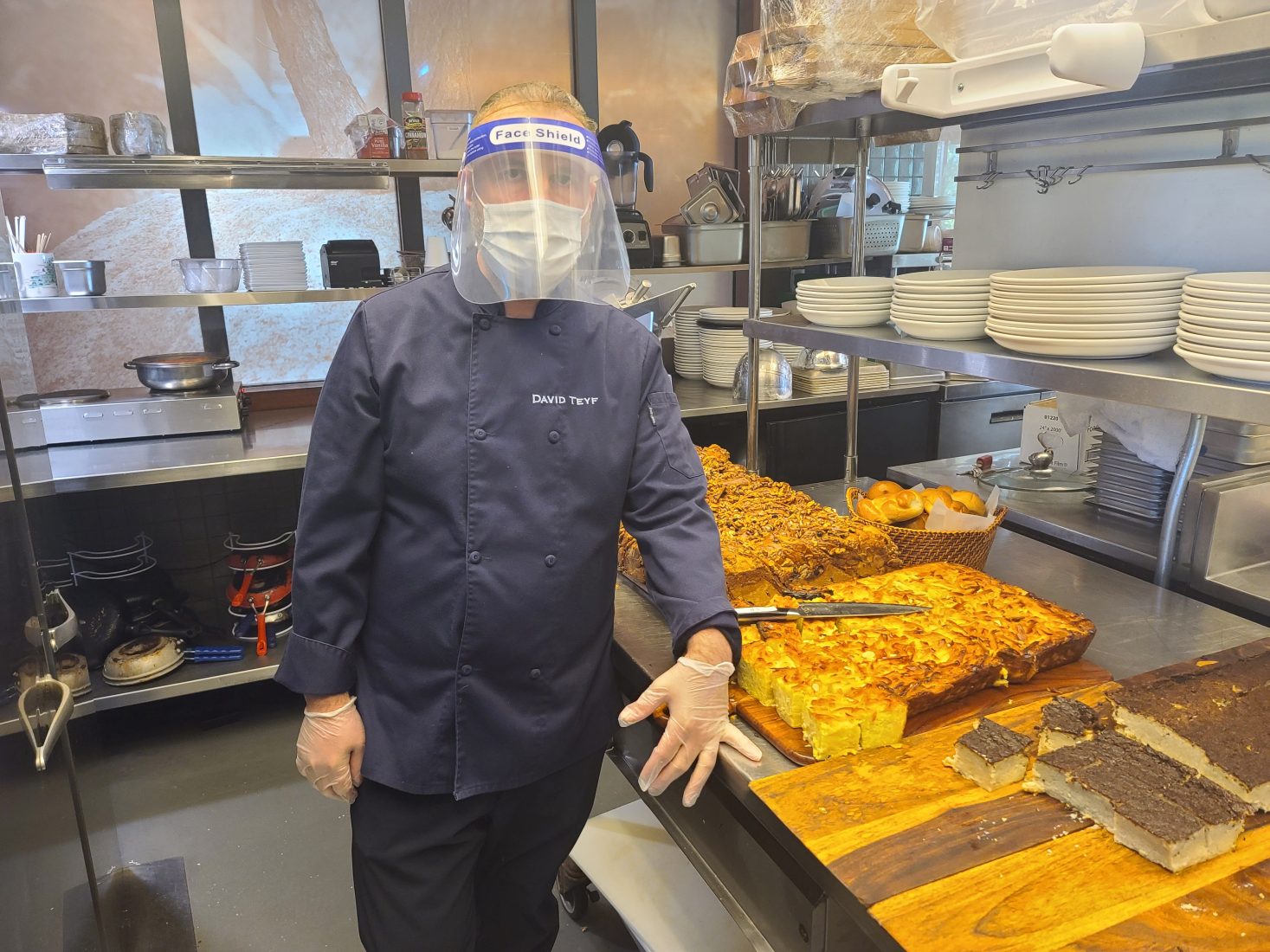
With a small team, Teyf then bring the meals directly to these seniors across New York City.
“I am personally cooking and delivering these meals. I know that my grandparents, who were Holocaust survivors, are smiling down on me. This is something I want to do to honor them and because it’s the right thing to do,” Teyf says. “It’s in my soul to give back.”
An estimated 38,000 Holocaust survivors live in the greater New York City metropolitan area, according to Selfhelp Community Services. More than 50% of them live in poverty.
The pandemic is particularly traumatizing, echoing their lives more than 75 years ago during the Holocaust when food and resources were scarce. Because of coronavirus restrictions, they struggle with a lack of resources and community as they isolate at home.
Teyf has partnered with the Museum and the Met Council to identify 50 Holocaust survivors who need assistance. Additionally, the Museum is reaching out to other survivors to assess their needs so Teyf can provide more support.
He also is setting up an arrangement to deliver more kosher meals to essential healthcare workers at hospitals throughout New York City. The meals include salads, entrees, and desserts.
Jewish dish from Teyf’s restaurant
Teyf’s family has more than a century of epicurean experience.
“My great-grandfather started baking matzah for the Jewish community in Minsk in 1920,” he says. Each of his grandparents was the sole family survivor of the Holocaust. “After the Holocaust, my grandfather continued his father’s tradition of baking matzah for the Jewish community, which he had ultimately risked his life during Communist times until 1979. In 1979, my grandfather decided to pick the whole family up and leave Minsk for the United States for our Jewish freedom.”
Museum President and CEO Jack Kliger praised Teyf’s philanthropy.
“David is doing a real mitzvah,” Kliger says. “The Met Council and David are being generous with their hearts and minds: stepping up to serve others when there is a great need in our city.”